How to Choose the Right Glass Cream Jars for Skincare Brands: UV Protection, Stability, and Sourcing Essentials
Glass cream jars are the go-to for premium skincare brands these days. But choosing the right jar isn’t just about looks.
The right glass cosmetic jars protect your product’s ingredients from UV degradation, prevent contamination, and communicate quality to your customers.
With so many suppliers and design options out there, making a smart choice means understanding both the science behind glass packaging and the nuts and bolts of sourcing.
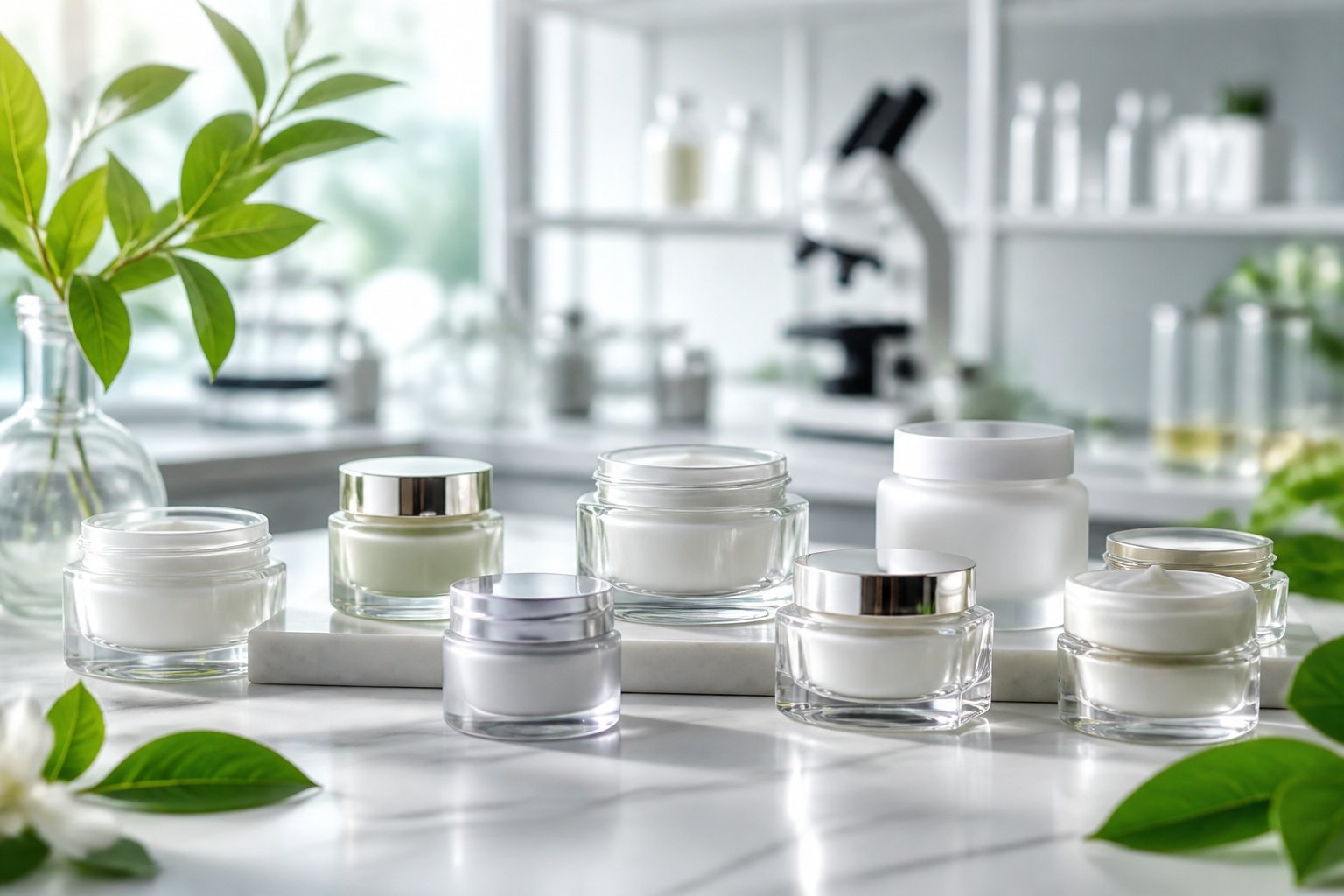
Your cream jar packaging affects product stability, shelf life, and brand perception. Glass jars protect better than plastic, especially for formulas with active ingredients that break down with light or air.
The material you pick also says a lot about your brand’s values—think quality and sustainability. Customers notice these things.
This guide covers the essentials for picking glass cosmetic jars that fit your skincare brand. We’ll look at UV protection, matching caps to jars, supplier safety standards, and how to balance function with cost.
Key Takeaways
- Glass jars protect ingredients and make your skincare brand look premium
- UV protection, jar design, and cap compatibility matter a lot when choosing packaging
- Using a sourcing checklist helps you keep quality and safety on track with reliable suppliers
Scientific & Functional Superiority
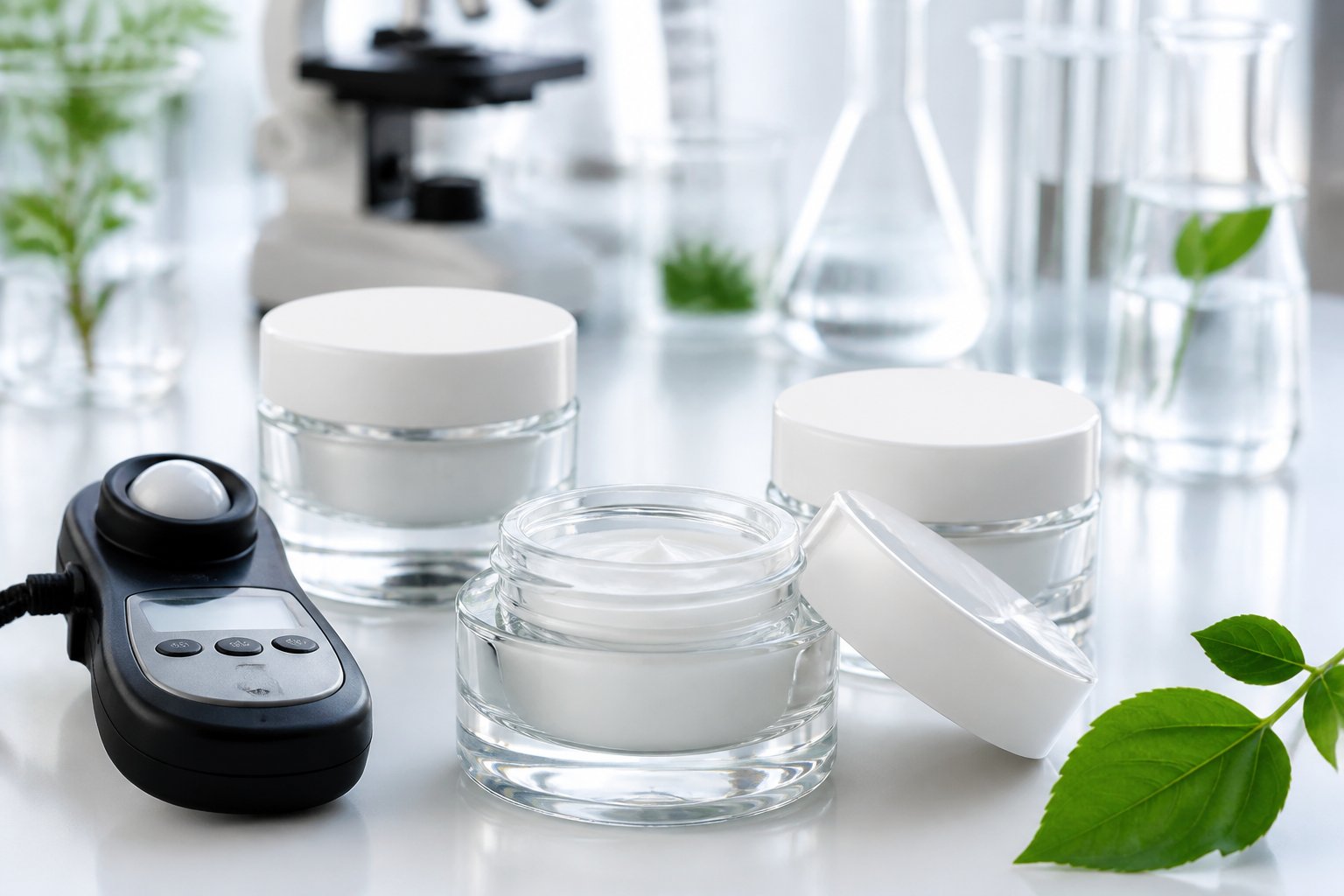
Glass cream jars really do have some big advantages for keeping skincare products fresh. Their non-reactive nature, strong barrier properties, and ability to filter out harmful light all help keep your formulas stable and effective.
Chemical Inertness
Glass containers are totally chemically inert. They won’t react with your skincare formulas.
Unlike plastic, glass doesn’t have extractables or leachables that might seep into your product over time. That’s a relief, especially for potent actives like retinol, vitamin C, or acids.
These ingredients can react with some packaging materials, reducing their strength or creating weird byproducts. Glass avoids all that.
Key benefits of chemical inertness:
- No chemicals migrate into your product
- Keeps pH levels stable
- Preserves ingredient strength
- Extends shelf life
You don’t have to stress about chemical compatibility tests between glass and most cosmetic ingredients. Glass also leaves your formula’s scent, color, and texture untouched during storage.
Hermetic Sealing & Oxygen Barrier
Pairing glass jars with the right closures creates hermetic seals that block oxygen. Oxygen exposure is the enemy of antioxidants, peptides, and botanical extracts.
The oxygen barrier of glass outperforms most plastics by a long shot. This is crucial for products with vitamin C, CoQ10, or oils that oxidize fast if exposed to air.
Don’t forget about the closure system—it matters just as much as the glass. Metal caps with liners or thick plastic caps with gaskets keep things airtight and your product safe.
Oxygen barrier considerations:
- Glass blocks oxygen completely
- Good sealing stops air from getting in
- Prevents discoloration from oxidation
- Keeps actives potent
UV & Light Protection Science
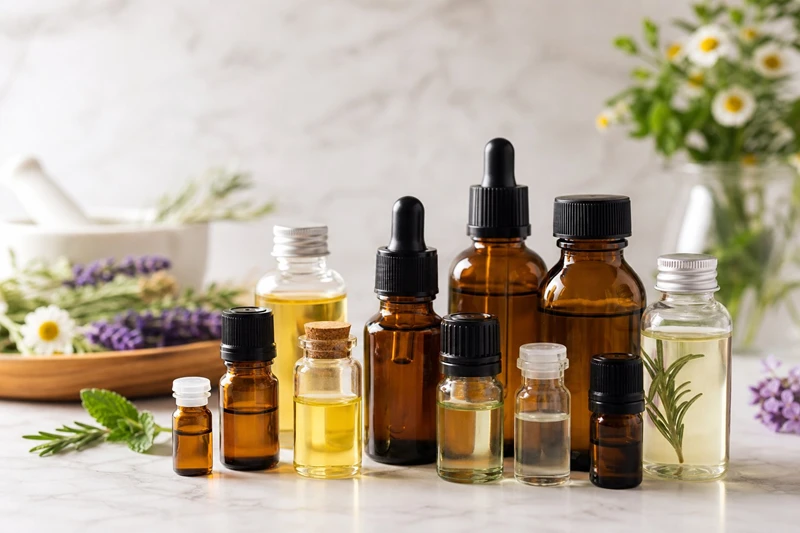
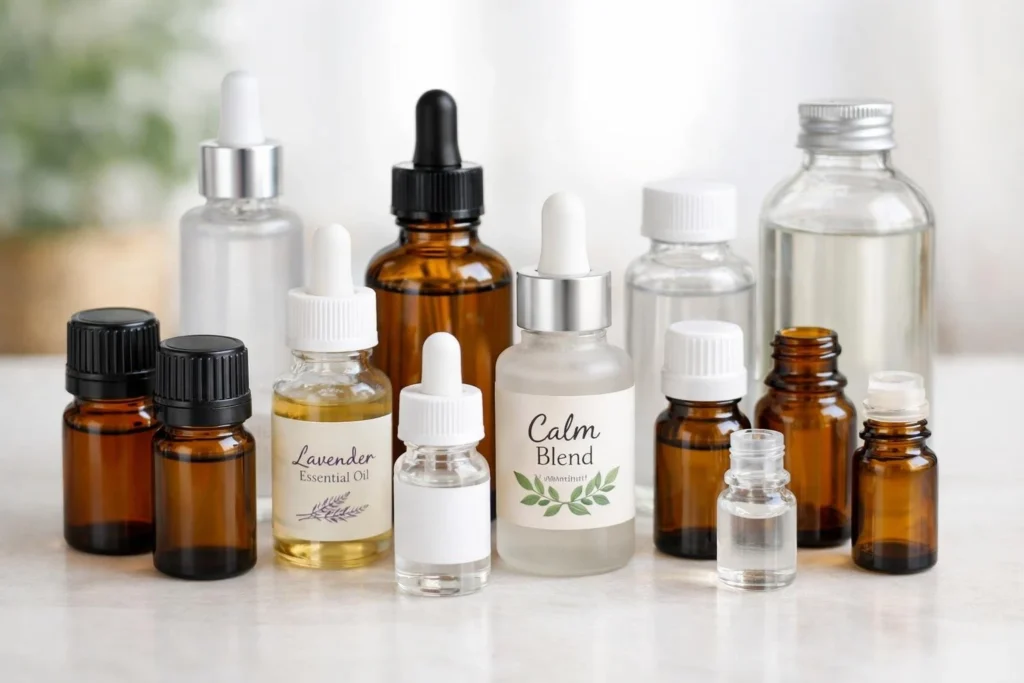
Amber glass can block up to 99% of UV light (290-450nm), shielding photosensitive ingredients from breaking down. UV protection is a must for retinoids, some botanicals, and vitamin blends that fall apart in light.
Clear glass lets you show off your product but does almost nothing for UV protection. Only use clear glass for stable formulas or if your secondary packaging keeps the light out.
Violet and cobalt blue glass filter certain wavelengths but still let you see the product. They strike a balance between looks and light protection, which is nice if that’s your thing.
Light protection by glass type:
| Glass Color | UV Protection | Best For |
|---|---|---|
| Amber | 99% (290-450nm) | Retinol, vitamin C, peptides |
| Cobalt Blue | 60-70% | Moderate light-sensitive formulas |
| Clear | Minimal | Stable formulations only |
Anatomical Breakdown & Design Variations
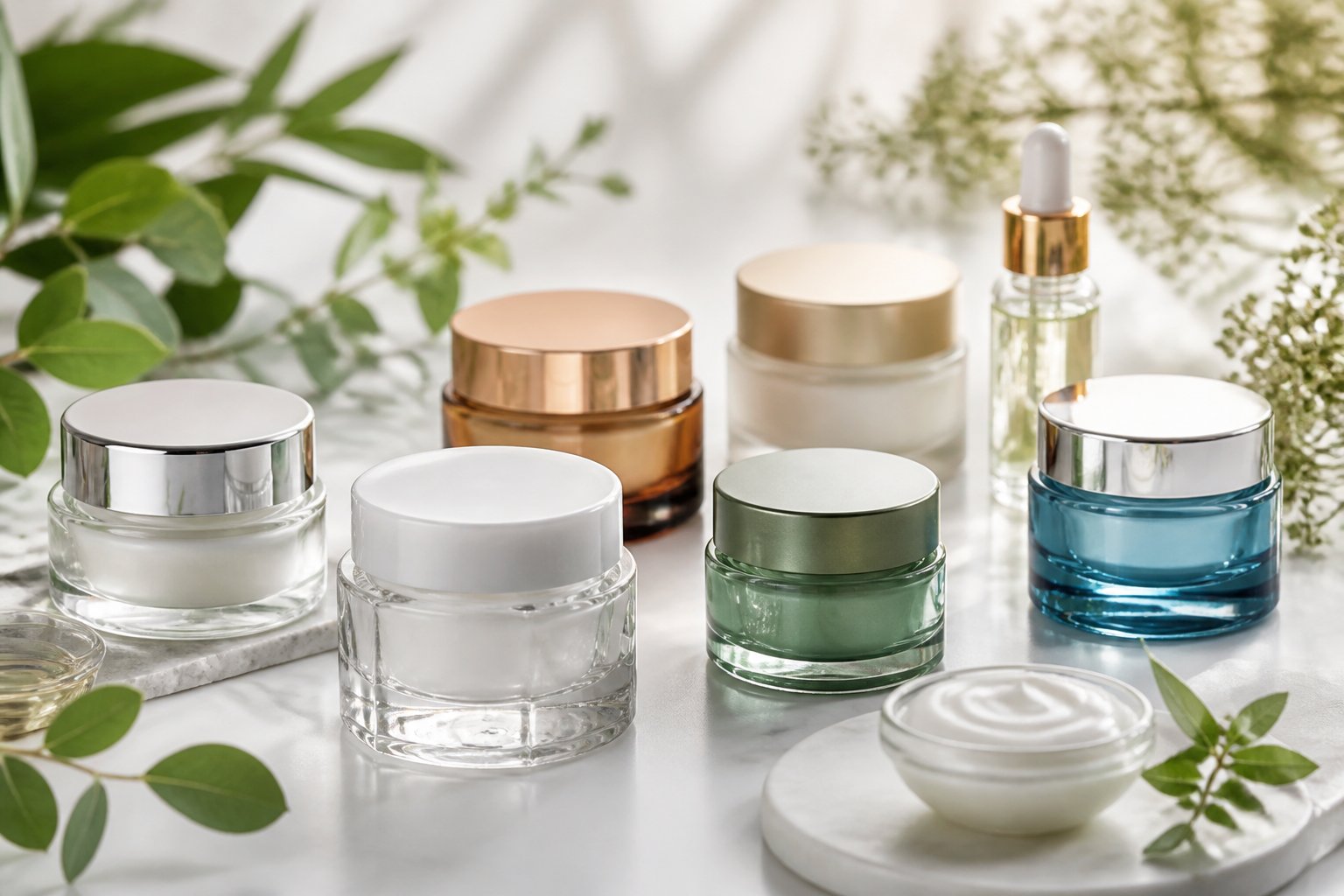
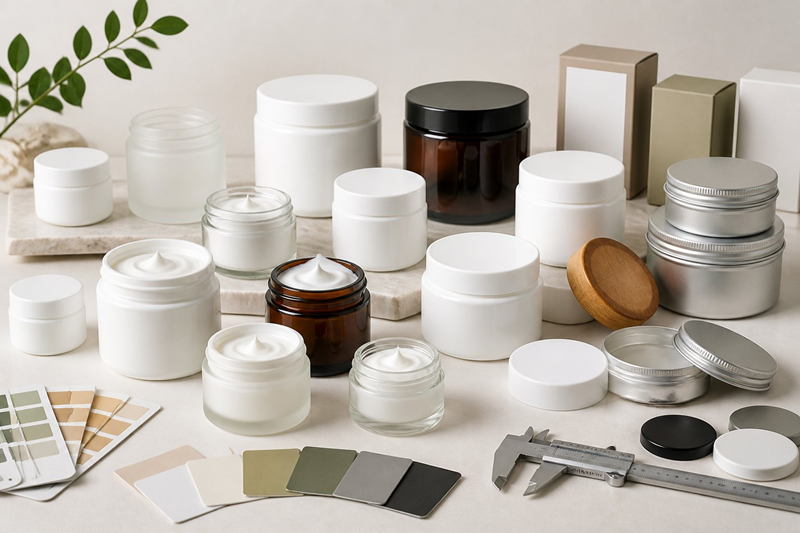
Glass cream jars have a few structural parts that impact both function and how your brand looks on the shelf. Standard sizes run from 5ml to 200ml, and details like wall thickness or finish can totally change the vibe.
Capacity Standards
Jar sizes usually follow industry norms that match how people use and buy skincare. The most common are 15ml, 30ml, and 50ml for face creams, while body products go bigger—100ml to 200ml.
Pick a size that fits your product’s thickness and how long you expect it to last. A 30ml jar gives about 30 uses for face creams, so it’s roughly a month if used daily.
Wide-mouth jars are best for thick creams since you can scoop them out easily. Size also impacts costs and shipping. Small jars under 30ml are cheaper per unit but mean customers reorder more often. Larger jars over 100ml lower per-ounce costs but require a bigger upfront spend from buyers.
Structural Evolution
Round jars are everywhere because they’re easier to make and fill on machines. Square and hex shapes cost more—about 15-20% extra—but they stand out on the shelf.
Wall thickness ranges from 2mm for standard jars up to 5mm for luxury ones. Double-wall jars have two layers of glass with air in between, adding protection and a nice, heavy feel. These can weigh 40-60% more than single-wall jars.
The base matters for stability. Flat bottoms work for most products, while concave bases add visual depth. Some jars have tiny feet or raised edges to keep the bottom from touching surfaces directly.
Tactile Aesthetics & Sensory Luxury
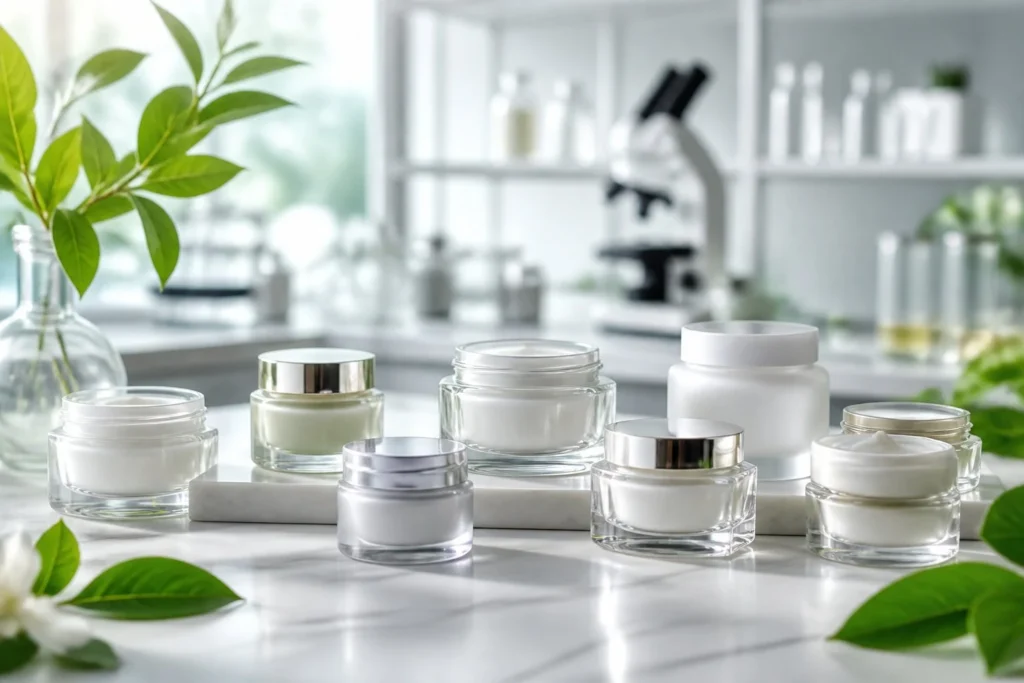
Glass finishes totally change how people see your brand before they even open the jar. Clear glass highlights the product’s color and texture. Frosted glass gives a soft, upscale look that feels a bit fancy.
Common finish options:
- Clear: Shows everything, lowest price
- Frosted: Acid-etched or sandblasted, costs 25-35% more
- Colored glass: Amber, cobalt, or custom tints, adds 30-50% to the price
- Gradient: Fades from color to clear at the rim
Surface texture can add grip and visual interest. Light frosting looks subtle and sophisticated, while heavy textures make a bold statement. Even the way the lid screws on matters—the smoother and more secure it feels, the more premium your product comes across.
Cap & Accessory Matching Strategies
The cap you choose doesn’t just protect your product—it also shapes your brand identity. Material, sealing, and customization all play a part.
Closure Options
You have a few cap materials to pick from, and each brings something different to the table. Aluminum caps feel premium and suit upscale products. Bamboo caps are great if you’re aiming for a sustainable, eco-friendly image.
Plastic caps are the most affordable and come in tons of colors and finishes. PP (polypropylene) caps handle chemical exposure better than most plastics. Match your cap to your brand’s style and price point.
Glass lids look ultra-premium, but they’re heavier and can break more easily during shipping. Metal caps with liners prevent your product from touching the metal, which is important for formulas that react to metals.
Sealing Mechanics
Your jar needs a good seal to keep out contaminants and lock in freshness. Inner liners are what really keep air away from your product.
PE foam liners work for most creams and offer basic protection. Pressure-sensitive liners add tamper evidence—they stick to the rim and show if someone’s opened the jar. Heat induction seals are the toughest against air and moisture, but you’ll need special equipment to apply them.
The way the threads on your jar and cap match up also affects sealing. Continuous thread closures screw on tight for everyday use. Lug caps only need a quarter turn but can loosen up over time.
Branding Touches
You can turn plain caps into brand assets with a few different decoration techniques. Silk-screening and silk-screen printing put your logo right on the cap surface in up to three colors, giving a clean, professional vibe.
Hot stamping adds metallic or colored foil to caps, so they catch the light and stand out. This method pops especially well on bamboo caps or matte plastic.
Other options? Embossing, debossing, and pad printing for more detailed designs. UV printing lets you add full-color graphics—gradients, even photos—directly to the caps.
Custom mold caps with raised logos or unique shapes are possible, but you’ll need to order more and wait longer for delivery.
Global Sourcing & Quality Control Checklist
Finding reliable glass cream jar suppliers means testing samples and building relationships with manufacturers who actually meet safety standards. Your sourcing choices impact product quality, shipping costs, and your brand’s reputation—sometimes more than you realize.
Technical Performance Tests
Always ask for samples before placing big orders. Fill each jar, flip it upside down for 24 hours, and check for leaks.
Measure the glass wall thickness at several points. You want at least 2-3mm so jars don’t shatter during shipping or handling.
If a supplier claims UV protection, test it yourself. Put your product in the jars, leave them in direct sunlight for a few weeks, and compare to samples stored in plain clear glass.
Some formulas react with glass or lid liners, so fill jars with your real product and store them at different temperatures for 30-90 days. Watch for changes.
Ask the cosmetic jar manufacturer for certificates of compliance. These confirm the jars meet packaging regulations for your markets.
Sourcing Strategy
Get quotes from at least three manufacturers so you know the real price range. Don’t forget to factor in shipping—glass is heavy, and international freight adds up fast.
Start small. Place test orders of 500-1000 units to check quality before committing to 10,000 or more.
Ask about minimum order quantities and how long production takes. Usually, it’s 2-4 weeks to make the jars, plus shipping time.
If sustainability matters to your brand, check out each supplier’s sustainable packaging practices. Some offer jars with 50-100% recycled glass—just ask about their processes.
Put your quality agreements in writing. Spell out your acceptable defect rate (usually 1-2%) and what happens if you get a bad batch.
Summary & Actionable Selection Blueprint
Choosing the right glass cream jars means weighing a bunch of factors at once—material, supplier, compliance, and more. A systematic approach helps your packaging protect your product and meet your brand standards.
Decision Framework
Define your product’s needs first. Light-sensitive ingredients like retinol or vitamin C need amber or cobalt glass for UV protection.
Heat-sensitive formulas do better in thicker glass—2-3mm at minimum.
Budget matters. Premium jars ($2-5 each) are usually violet glass with full light blocking. Mid-range ($0.75-2) includes standard amber or frosted glass, while economy ($0.30-0.75) is mostly clear glass for stable products.
Pick jar size based on usage. Face creams? Usually 30-50ml for a month’s supply. Body products need 100-250ml. Eye creams and concentrates fit in 15-20ml jars.
Think about your fill method. Wide-mouth jars (50mm+) are easy for hand-filling. Narrow openings (30-40mm) help prevent contamination but need machines. Your production scale will probably decide for you.
Quick Sourcing Checklist
Check supplier credentials before you order. For the US, ask for FDA registration numbers. ISO 9001 is a must for quality management. Cosmetic-grade glass certification is non-negotiable for skincare.
Essential verification steps:
- Certificates showing lead-free glass
- Drop test results for breakage resistance
- Chemical compatibility info for your formula
- Batch consistency reports from at least three runs
- Current liability insurance docs
Order samples that match your specs. Fill them with your actual formula and test for 30-90 days at different temperatures. Look for any leaching, seal issues, or color changes.
Compare minimum order quantities to your sales forecast. Custom jars usually start at 1,000-10,000 units. Stock designs can start at 500 and get to you faster—2-4 weeks versus up to 12 for custom.
Frequently Asked Questions
Picking the right glass cream jars means paying close attention to formula compatibility, protection, rules, and supplier reliability. Here are some questions that come up the most.
What factors should skincare brands consider when selecting glass cream jars for different formulas?
Match your jar to your formula’s chemistry and stability needs. Oil-based products need different seals than water-based ones to avoid oxidation and texture changes.
Product thickness matters. Thick creams and balms need wide-mouth jars for easy scooping, while lighter lotions fit fine in standard openings.
pH level can affect how your formula interacts with the glass and any metal in the lid. Acidic formulas might need special liners to keep the closure from breaking down and contaminating your product.
If your product is temperature sensitive, pick jars with thicker glass. Anything that needs refrigeration or might get hot during shipping needs to resist cracking and stress.
How does UV-protective glass impact the stability and shelf life of light-sensitive skincare ingredients?
UV-protective glass blocks light that breaks down active ingredients like retinol, vitamin C, and some plant extracts. Amber and cobalt blue glass work best for sensitive formulas.
Light speeds up oxidation, which kills product effectiveness and can cause weird colors or smells. Dark glass blocks up to 99% of UV rays, so your product lasts longer than in clear glass.
Test your formula in different glass colors to see what works. Some ingredients—vitamin E, certain oils—get a big boost in dark-colored glass bottles.
UV-protective glass usually costs 15-30% more than clear, but it’s worth it for longer shelf life and fewer returns.
Which glass jar types and colors offer the best balance of product protection and premium presentation?
Amber glass gives solid UV protection and a classic, professional look. It’s great for brands that want to highlight efficacy and natural ingredients.
Cobalt blue and violet glass protect just as well and add a luxury feel. They’re perfect if you’re going for visual impact and a premium vibe.
Frosted or matte finishes add a high-end look, especially when paired with colored glass. Clear glass with UV coatings keeps your product visible but costs more.
White or opal glass looks clean and modern, offering moderate light protection. If your audience loves spa-like minimalism, this is a strong pick.
What safety and compliance certifications should packaging suppliers provide for cosmetic glass containers?
Look for ISO 9001 certification—it means the supplier has solid quality management. Each batch should meet the same specs every time.
Food-grade certification is important, even for cosmetics. It proves the glass doesn’t have dangerous levels of lead or heavy metals. Get certificates of analysis for every batch.
FDA compliance is a must for cosmetic packaging. Ask for documentation proving the materials are safe. Authenticity and quality docs help protect your brand and your customers.
GMP (Good Manufacturing Practice) certification shows the supplier follows proper hygiene and quality control. This is even more important if you’re sourcing internationally or using a new supplier.
How can brands assess and minimize contamination, leaching, and heavy metal risks in glass skincare packaging?
Request third-party lab tests for heavy metal content—especially lead, cadmium, and arsenic. Make sure they’re testing the exact glass type and color you’ll use.
Test your formula in the full packaging—glass, closure, and liners. Run accelerated stability tests with heat and light.
Store your product in the jars at different temps for a while and check for leaching, pH changes, or weird appearances. Don’t skip this step.
Work with suppliers who keep their production lines clean and separate different glass types. Most contamination happens during manufacturing, not from the raw glass itself.
What supplier vetting steps help ensure consistent quality, traceability, and safe sourcing for glass cream jars?
Visit manufacturing facilities if you can. This lets you see production processes, quality control measures, and storage conditions up close.
Virtual tours offer a peek behind the curtain, but honestly, they never quite match what you catch in person.
Ask for detailed documents about where the raw materials come from and how the glass moves through the supply chain. Good suppliers keep records that trace materials all the way from sand to the finished jar.
Request samples from different production runs. Check for consistency in color, thickness, weight, and size.
If you spot big differences between batches, that’s usually a red flag for quality control issues—and no one wants that in their product line.
Set clear specs for every packaging component. Make sure suppliers send certificates of conformance with each order.
Test random shipments before you use them in your own production. It’s a hassle, but it can save you a lot of trouble down the road.
Ask for references from other skincare brands. Find out how the supplier handles delivery times, minimum order quantities, and any hiccups that pop up.
Building a long-term relationship with a reliable supplier just makes things smoother. Jumping between vendors usually means more risk than reward.