THC Oil Bottle Packaging Standards: Compliance, Safety, and Branding
Compliance Requirements for THC Packaging
Cannabis brands have to meet federal and state packaging regulations. These rules require child-resistant closures and tamper-evident features to keep consumers safe and help you avoid legal headaches.
Child-Resistant (CR) Dropper Caps
All cannabis packaging sold in the U.S. must comply with the Poison Prevention Packaging Act. This law says child-resistant packaging is a must to prevent kids under five from accidentally ingesting cannabis products.
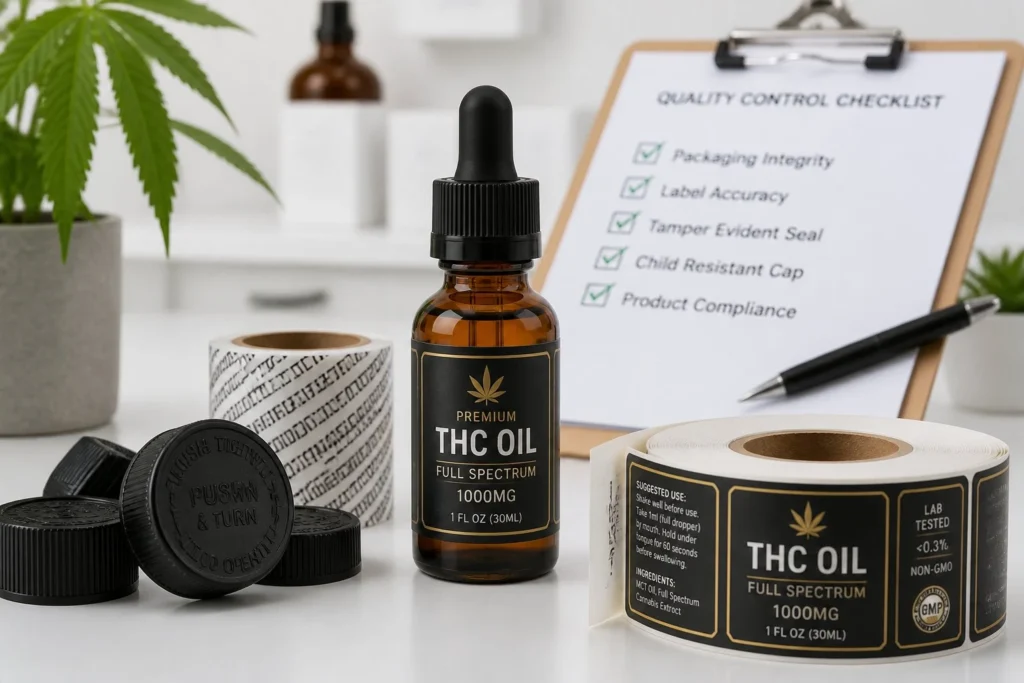
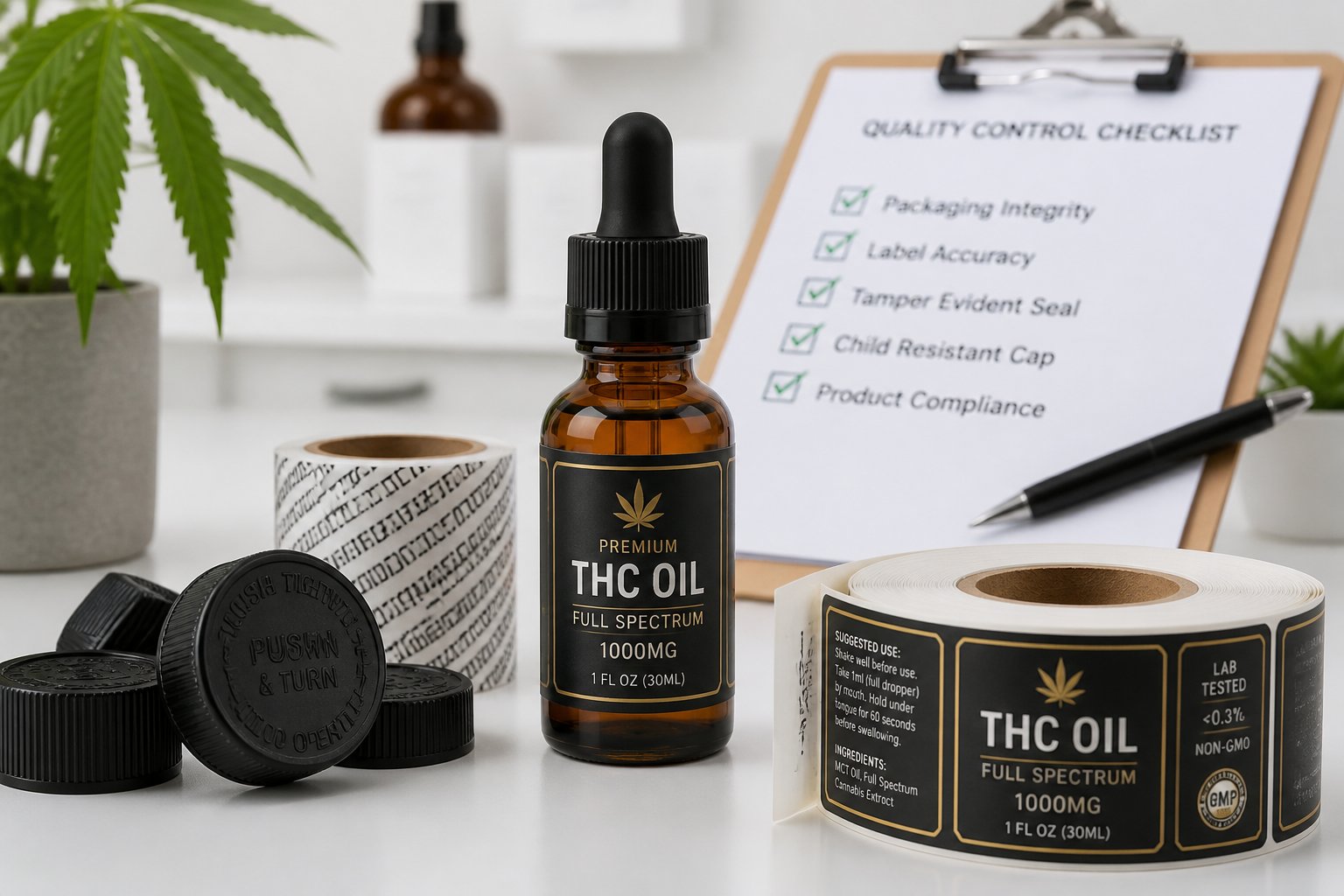
CR dropper caps use a “push-and-turn” mechanism. You have to press down and turn at the same time, which makes it tough for little hands to open.
Your packaging needs to meet 16 CFR 1700.20 standards set by the Consumer Product Safety Commission (CPSC). These standards require third-party testing to prove that at least 85% of kids under five can’t open the package within five minutes, while 90% of adults ages 50-70 can open and close it properly.
You’ll need CR certification paperwork from your supplier before you start selling. Without proper cannabis packaging compliance, your brand could get fined, face product recalls, or even lose its license.
Tamper-Evident Rings & Leak-Proof Design
Tamper-evident seals show customers the product hasn’t been opened since it left your facility. Most states require visible tamper-evident packaging on all THC oil bottles.
A breakaway ring connects the cap to the bottle neck. When someone opens the bottle for the first time, the ring breaks away from the cap so shoppers can see if anyone tampered with it.
Your dropper assembly should use leak-proof materials to stay compliant. NBR (nitrile butadiene rubber) and pharmaceutical-grade silicone resist THC oil degradation and stop evaporation, creating an airtight seal to protect potency during shipping and storage.
Stick with suppliers who provide cannabis packaging compliance certificates for both child-resistant and tamper-evident features. Your wholesale packaging has to meet all requirements in every state where you sell.
Materials Choice for Cannabis Oil Containers
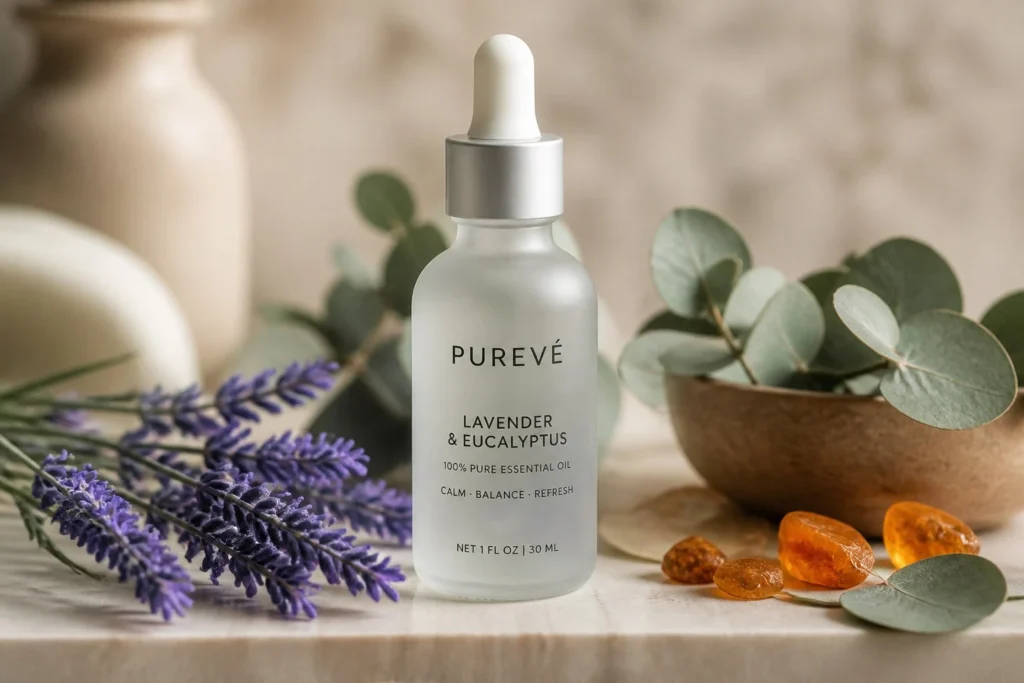
The container material shapes how well THC oil keeps its chemical profile during storage and shipping. Glass is still the favorite for brands that care about product integrity, and protective coatings help prevent light from ruining the oil.
Preserving Terpenes and Potency with Pharmaceutical-Grade Glass
Pharmaceutical-grade glass doesn’t react with cannabinoids or terpenes. Unlike plastic, glass bottles stop chemical leaching that can mess with your product’s flavor and effects.
Type I borosilicate glass offers the best protection. This material forms an inert barrier between your THC oil and the outside world.
Terpenes are volatile and easily soak into porous surfaces. Plastic bottles let these aromatic molecules migrate into the container walls, which kills aroma and the entourage effect. Glass keeps that loss from happening.
The non-porous surface of glass also blocks oxygen. Even a little oxygen exposure can speed up THC oxidation and turn it into less-potent CBN over time.
UV Light Protection: Amber, Cobalt Blue, and Opaque Coatings
Ultraviolet light breaks down THC molecules through photodegradation. Clear glass bottles let up to 90% of UV rays hit your product, but amber glass blocks about 98% of those rays.
Amber glass filters out light between 10nm and 450nm. This brown-tinted packaging protects THC and terpenes from both UV and visible light.
Cobalt blue glass gives similar protection but with a different look. The deep blue color blocks harmful wavelengths and makes your product pop on the shelf.
Opaque containers provide max light protection when you use internal coatings. Matte black spray coatings on clear glass are cost-effective and block light completely. These options work especially well for brands aiming for a shelf life past 12 months.
Powder-coated glass and other opaque materials get rid of light exposure risks altogether. Your product stays stable even under bright retail lights or direct sunlight during shipping.
Essential Specifications for Tincture and Dropper Bottles
Picking the right bottle size and pipette type changes how customers use your product and how accurately they can dose.
Matching Capacities to Product Lines (15ml, 30ml, 60ml)
The three standard THC tincture sizes fit different price points and customer needs. 15ml bottles are great for trial products or high-strength formulas where people only need a little. They’re affordable for first-time buyers testing your brand.
30ml bottles are the most popular. They last about a month for regular users and fit easily in a pocket or bag, so most brands stick with this size as their go-to.
60ml bottles target heavy users or customers who want a better price per milliliter. Larger bottles cut down on packaging waste and appeal to loyal fans, but they take up more shelf space and cost more upfront.
Common THC Tincture Sizes:
- 15ml – Entry-level, travel-friendly, high-potency products
- 30ml – Industry standard, balanced size-to-price ratio
- 60ml – Economy size, reduced per-dose cost
Graduated Pipettes for Precise Dosage Control
Pipettes with measurement marks let customers dial in their exact dose. Most graduated droppers show 0.25ml, 0.5ml, 0.75ml, and 1ml increments. These markings should be permanent and readable, even when the glass gets oily.
Glass pipettes stay accurate longer than plastic ones. They don’t soak up oils or wear out from repeated cannabinoid contact. The pipette length should reach the bottom of your chosen bottle so customers can get every last drop.
There are two main tip styles. Ball-tip droppers stop drips and work well for sublingual dosing. Bent-tip droppers give a better view when measuring, but they might leak a bit if not held upright. Which matters more—precision or a mess-free experience? That’s something your customers will care about.
Wholesale Customization and Branding Solutions
Wholesale suppliers offer a bunch of surface treatments and printing methods. These let cannabis brands build a strong visual identity while leaving space for the required compliance labels.
Custom Color Spraying and Surface Treatments
You can order bottles with custom color spraying that matches your exact Pantone code. This process coats the glass in any color you want, from matte black to metallic gold or your signature shade.
Suppliers usually offer matte and glossy finishes. Matte coatings give your packaging a modern, premium feel and hide fingerprints, while glossy finishes make colors pop with a shiny look.
Common surface treatment options:
- Pantone color matching – Exact color replication for brand consistency
- Matte finish – Non-reflective, soft-touch surface
- Glossy finish – High-shine, reflective coating
- Frosted glass – Translucent, elegant appearance
- Gradient effects – Color transitions across the bottle
These treatments help your products stand out in dispensaries and protect the glass. Most suppliers require a minimum order of 5,000-10,000 units for custom color spraying.
Screen Printing, Hot Stamping, and Compliance Labeling Areas
Screen printing puts your logo and graphics right onto the bottle with cured inks. It’s great for simple designs with up to three colors and creates permanent, scratch-resistant branding.
Hot stamping presses metallic or colored foil onto the glass using heat and pressure. This gives a luxury look with gold, silver, or even holographic finishes that really make your packaging pop.
Plan your decoration layout carefully. Cannabis regulations require warning labels, THC content, batch numbers, and other info. Work with your supplier to set aside clear labeling zones that don’t interfere with your branding.
Most brands put screen printing or hot stamps on the front, then use the back or sides for compliance stickers. That way, you keep your brand identity front and center while still meeting all the legal labeling rules.
Frequently Asked Questions
THC oil bottle packaging is a maze of legal rules, safety certifications, and material choices that really affect your brand’s ability to sell legally and keep product quality high. Brands need to understand child-resistant mechanisms, mandatory labeling elements, state-specific rules, required warning symbols, protective materials, and supplier compliance checks before jumping into wholesale orders.
What packaging features are required for THC oil bottles to be considered child-resistant and tamper-evident?
THC oil bottles have to meet CFR Title 16 Part 1700 standards to count as child-resistant. That usually means a push-and-turn cap or something similar, designed so at least 85% of kids under five can’t open it in five minutes.
Tamper-evident features matter just as much for safety and compliance. Packaging should include something like a breakaway ring or seal that makes it obvious if the bottle’s been opened before someone buys it.
These features help prevent recalls and protect your license from getting suspended over safety issues. Child-resistant dropper caps often combine both functions in one piece, resisting kids but letting adults (even those aged 50-70) open and close them during testing.
Which label elements are typically mandatory for THC oil products, including potency, ingredients, warnings, and batch details?
The main label panel has to show THC content in milligrams per serving and per container. You also need to list CBD and total cannabinoid content, either as percentages or milligrams, based on your certificate of analysis.
Labels must include your business name, license number, batch number, and expiration date. Most states want a full ingredient list, ordered by weight. Health and safety warnings have to use minimum font sizes set by regulators.
Traceability info connects your product to its testing and production records. The batch number lets regulators track the product through the supply chain. A certificate of analysis backs up your cannabinoid claims with lab results.
How do state cannabis regulators differ in packaging and labeling expectations, and what should brands verify before ordering wholesale?
California’s OCM has its own font and warning placement rules. New York’s OCM sets specific requirements for the cannabis symbol’s size and where it goes on the bottle.
Some states want opaque or child-resistant exit packaging in addition to the bottle. Others are fine with clear bottles if labeling is correct, but a few insist on amber or UV-protective glass no matter what.
Before you order wholesale, double-check your state’s labeling rules. Brands often mess up by picking bottles too small for all the required info or choosing materials that aren’t allowed.
What symbols, icons, and required warning statements must appear on THC oil bottle labels in regulated markets?
The universal THC symbol or warning icon has to be on the main label in most regulated states. Usually, it’s a cannabis leaf inside a triangle or diamond, often with an exclamation point.
Labels need warnings about pregnancy risks, driving impairment, and keeping products away from kids. Most places want at least 6-point font for general text, with bigger print for primary warnings. The cannabis symbol typically needs to be at least 0.5 inches square.
Some states specify the symbol’s color—often red or black. You can’t cover these required elements with promos or graphics.
What materials and barrier properties should THC oil bottle packaging use to protect product stability, safety, and shelf life?
Pharmaceutical-grade glass keeps THC oil from reacting with the container. Glass doesn’t leach chemicals and holds terpene profiles better than most plastics.
Amber glass blocks most UV light that breaks down THC and lowers potency. Cobalt blue glass offers similar protection and gives your brand a different look. Opaque coatings and matte black finishes block even more light, which is great for premium products.
Your dropper assemblies should use oil-resistant materials like silicone or NBR rubber. These prevent THC oil from breaking down the gasket, which could cause leaks or potency loss.
What compliance checks should brands perform with suppliers to confirm packaging meets CCC or OCM packaging and labeling requirements?
Ask your supplier for certification documents that prove child-resistant testing compliance under CFR Title 16 Part 1700. You’ll want to see test reports from certified labs that show pass rates for both child and adult panels.
Check that your supplier understands cannabis labeling requirements in your target states. Request sample mock-ups so you can see where the universal THC symbol, batch number, license number, and other mandatory elements will go—without everything getting squished together.
Approve label placement before production starts. Make sure there’s enough space for COA info and expiration dates.
Ask for material safety documentation to confirm the glass composition and coating stability. These steps help you avoid headaches with reorders or, worse, license suspension if packaging doesn’t meet the rules.