The Ultimate Guide to Pre-Roll Tubes & Packaging: Selection, Compliance, and Branding
The Strategic Value of Pre-Roll Packaging
Pre-roll packaging has come a long way. It’s not just a container anymore—it’s a business tool that shapes how people see your brand and how well you follow the rules.
Great packaging keeps your pre-rolls safe, helps your brand stick in people’s minds, and makes sure you’re playing by the book.
The Boom of the Pre-Roll Market and Why Packaging Is No Longer Just a Container
Pre-roll sales have exploded, jumping more than 40% in recent years across legal cannabis markets. Pre-rolls now rank among the fastest-growing items in dispensaries.
This surge means the shelves are crowded. Your cannabis packaging has to pop among a sea of lookalikes, all while keeping your pre-rolls fresh and safe.
Modern pre-roll packaging does a lot more than you might think:
- Keeps your product fresh and potent
- Meets child-resistant and tamper-evident standards
- Shows off all the required compliance labels and warnings
- Makes your brand stand out from the pack
- Shields pre-rolls from bumps and knocks during shipping
People decide what to buy in a flash. Your pre-roll packaging is often the only shot you get to make a good impression.
How the Right Pre-Roll Tube Drives Brand Perception, Compliance, and Retail Revenue
Pre-roll tubes send a message about your brand’s quality and professionalism. Using glass or metal feels premium—way more so than basic plastic tubes.
Here’s how packaging shapes brand perception:
- Custom colors and finishes that vibe with your brand
- Clear or opaque options, depending on whether you want to show off or protect your pre-rolls
- Sturdy builds that tell customers you care about quality
Compliance isn’t optional in this industry. The right pre-roll packaging comes with child-resistant locks, spots for labels, and materials that regulators actually approve. If you skip these, you risk fines or even product recalls.
Smart packaging choices can boost retail sales. Tubes that stack well help you use shelf space efficiently. Bold designs grab attention. Easy-to-open child-resistant lids keep customers happy and safe.
Pre-Roll Tubes vs. Cones: Understanding Formats and Sizes
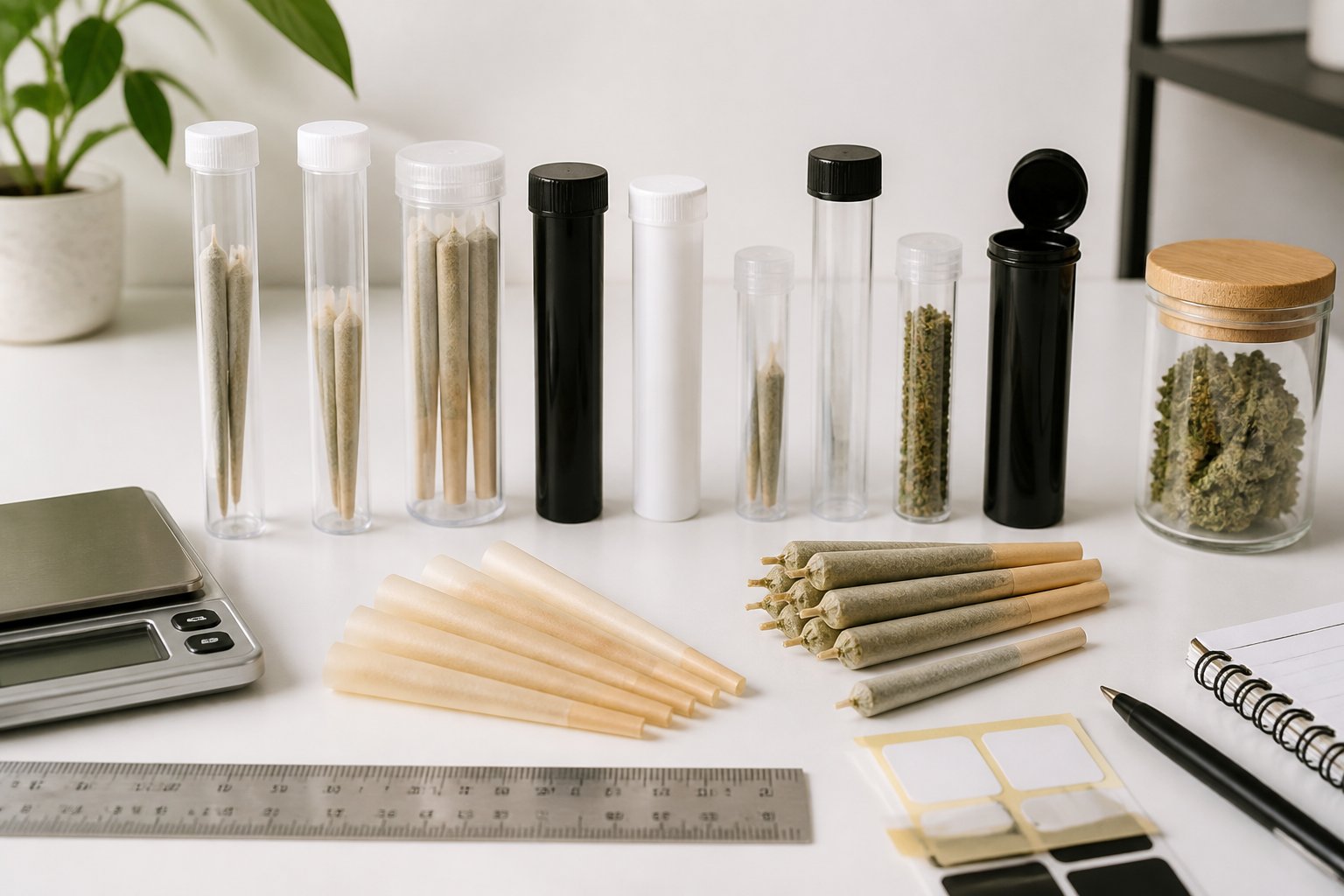
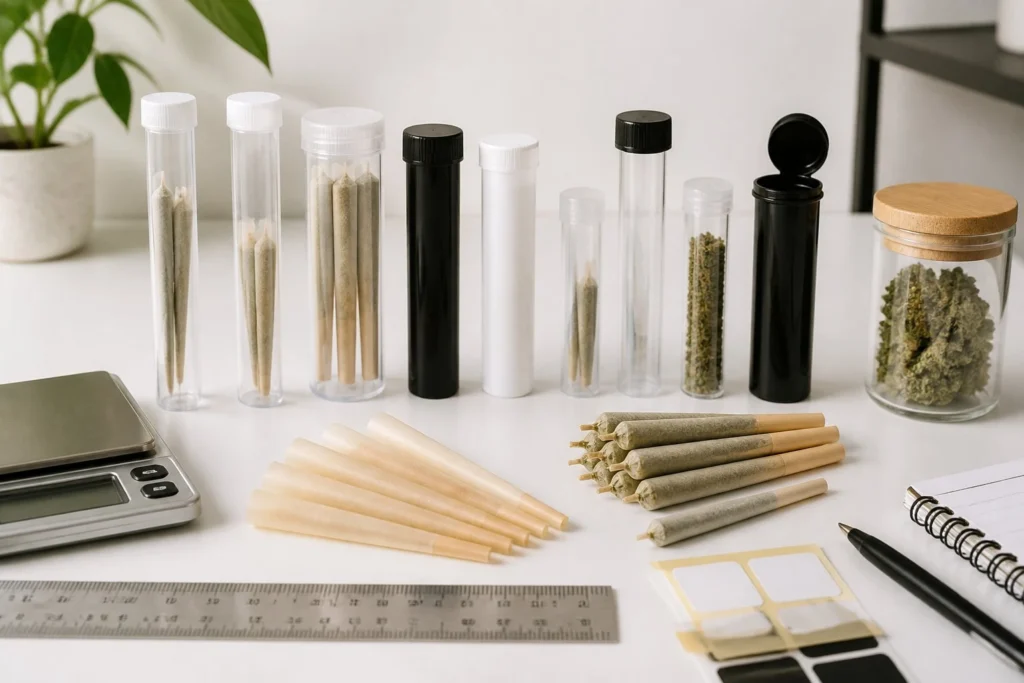
Pre-roll tubes and cones aren’t the same thing. Cones are the pre-rolled papers you fill, while tubes are the containers that protect your finished joints. Getting the sizing right means your product fits snugly and stays safe.
Paper & Format Differences: Pre-Roll Cones vs. Pre-Roll Tubes vs. Blunt Wraps
Pre-roll cones come with a filter tip already in place. They’re tapered—wide at the top, narrow at the end. You fill them, then pop them into a tube.
Pre-roll tubes (sometimes called doob tubes or joint tubes) are hard containers made from plastic, glass, or even biodegradable stuff. They guard your finished joints from getting crushed, keep smells in, and block out moisture. Tubes come in all sorts of sizes to match different cones.
Blunt wraps are a different animal. They use tobacco or hemp leaf instead of paper, making them thicker and slower to burn. Because of their size, you’ll need wider tubes for blunts. The material changes both the smoke and the tube size you need.
The Cone-to-Tube Sizing & Pairing Guide
Matching cones to tubes isn’t rocket science, but you do have to measure. The tube should be 5-10mm longer than your filled pre-roll so you can get it in and out easily.
For diameter, leave 1-2mm of wiggle room at the cone’s widest part. For example, an 8mm cone needs a tube with at least a 9-10mm inner diameter. Too much space, though, and your pre-roll will rattle around and maybe get damaged.
Some common pairings:
- 70mm cone → 75-80mm tube
- 84mm cone → 90-95mm tube
- 98mm cone → 100-105mm tube
- 109mm cone → 115-120mm tube
So-called “universal” pre-roll tubes usually fit cones within a 2-3mm length range. If you want a truly premium feel, custom-fit tubes are the way to go.
Standard Lengths (70mm Dogwalker, 84mm, 98mm, 109mm King Size)
The 70mm dogwalker is the shortest of the bunch, usually holding 0.35-0.5 grams. These tiny pre-rolls slip easily into a pocket and need tubes around 75-80mm long. They’re great for microdosing or sampling a new strain.
The 84mm format is the go-to single-serve size, holding about 0.5-0.75 grams. Most “standard” tubes fit these cones, usually between 90-95mm in length.
Then there’s the 98mm, which sits between standard and king size. It holds 0.75-1 gram and calls for a tube about 100-105mm long. Brands often use this size for premium or high-potency options.
King size 109mm cones are the big hitters, holding 1-1.5 grams. You’ll want tubes around 115-120mm for these. Make sure the diameter’s big enough—these cones are chubby at the tip.
Diameter and Clearance Tolerance (14mm vs. 16mm) to Ensure Seamless Filling and Unboxing
The inside diameter matters a lot. The most common are 14mm and 16mm, but you’ll find everything from 10mm up to 20mm out there.
A 14mm tube fits standard cones up to about 12-13mm wide. It’s a tight fit, so you’ll need precise cones. If your pre-roll is even half a millimeter too wide, it might get stuck or be tough to pull out.
The 16mm diameter gives you more breathing room and fits cones up to 14-15mm wide. It’s better if your cones aren’t all exactly the same size. But if your pre-roll is skinny, it’ll slide around in there.
Quick clearance tips:
- Tight fit: 1mm clearance (feels fancy, holds tight)
- Standard fit: 1.5-2mm clearance (easy in and out, still safe)
- Loose fit: 2.5mm+ clearance (super easy access, less protection)
Test your cones and tubes together before you buy a ton. Try putting the pre-roll in and taking it out a few times. If it sticks, rubs too much, or rattles, your customers will notice right away.
Material Selection: Matching Packaging to Your Brand Tier
The material you pick says a lot about your brand. Whether you go for plastic, glass, metal, or eco-friendly options, each sends a different signal on quality, price, and who you’re targeting.
Plastic (PP / Pop-Top): Budget-Friendly, Portable, High-Volume Production
Plastic pre-roll tubes are the go-to for big operations. Most use polypropylene (PP), which is cheap but still does the job.
Plastic pop-tops have child-resistant closures that usually pass compliance checks. The snap-lid is quick to open but still keeps things secure.
You can buy these in bulk—think 5,000 units or more—at $0.15 to $0.40 per tube, depending on how fancy you get. If you’re focused on moving volume, plastic is the obvious choice.
They’re light, so shipping doesn’t cost much, and customers like how easy they are to carry. Downside? They don’t really help you stand out on a crowded shelf.
Glass Tubes: Premium Aesthetics, Superior Moisture Retention, and Shelf-Appeal
Glass tubes instantly make your product feel premium. Clear glass lets customers see the goods, and the weight makes the unboxing feel special.
Glass seals in moisture better than plastic. The airtight seal and smooth surface help keep flavors and freshness locked in for longer.
Glass pre-roll tubes usually run $0.75 to $2.50 each, depending on thickness and the type of lid. If you want to position your brand mid-tier or higher, glass is a solid bet.
The downside? They can break in transit and cost more to ship because they’re heavier. You’ll probably want extra padding when sending out big orders.
Metal & Tins: Durable, Reusable, Ideal for Premium Formats
Metal tubes and tins are tough and ooze luxury. Aluminum or stainless steel keeps out light, moisture, and dings better than anything else.
Customers like that they can reuse metal containers, which means your brand sticks around longer. People find all sorts of uses for them after the pre-roll is gone.
Metal packaging shines for multi-packs, infused pre-rolls, or special edition drops. The heft and metallic look just scream quality before anyone even opens the lid.
Prices range from $1.50 to $5.00 apiece, depending on size and finish. Metal is best for craft or high-end brands aiming for a discerning crowd.
Eco-Friendly & Sustainable Options: Ocean-Bound Plastics, PCR, and Biodegradable Paper Tubes
Sustainable pre-roll packaging is more than a trend—it’s a real response to what customers want. Ocean-bound plastic tubes use waste collected before it ever hits the ocean, mixing practical use with a strong eco message.
Post-consumer recycled (PCR) plastic sits somewhere between traditional plastic and those fancier, high-end materials. These tubes use 25-100% recycled content, but they’re still sturdy and pass child-resistance tests.
Biodegradable paper tubes are about as environmentally friendly as it gets. Hemp-based and other plant-fiber materials break down naturally, yet still keep pre-rolls safe for as long as they’re on store shelves.
Sustainable packaging usually costs about 20-50% more than standard plastic. So, your customers really need to care about the planet to justify those slightly higher prices.
Child-Resistant Compliance and Regulatory Standards
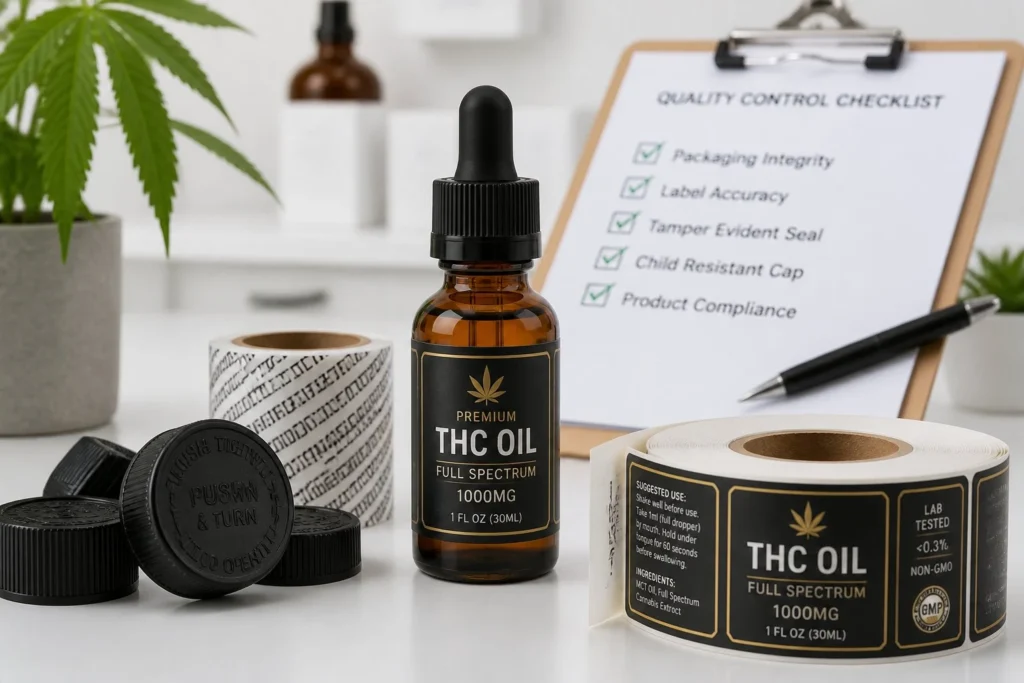
Child-resistant packaging keeps cannabis products out of reach for young kids but lets adults open them without too much fuss. Most states want pre-roll tubes to meet ASTM D3475 standards, and they require certain things like opaque materials and warning labels.
Understanding ASTM D3475 and State/Regional Legal Requirements
ASTM D3475 is the main test for child-resistance. The test lets kids ages 42-51 months try to open the package within a set time. At least 85% of them must fail to get it open in five minutes.
Your state or region almost always wants certification from an ISO-certified lab to prove your tubes pass. States like California, Colorado, and Washington all require ASTM D3475 compliance, either at the product level or at checkout.
Some states let you use exit bags as the child-resistant barrier instead of making every tube child-resistant. Others want both layers. You’ve got to check your local rules, because getting this wrong can mean fines, product recalls, or even losing your license.
Common state-specific variations:
- California requires opaque packaging and specific warning label sizes
- Colorado mandates universal symbol placement
- Massachusetts enforces strict resealable requirements
Unit-Level CR vs. Exit Bag Compliance
Unit-level CR means every pre-roll tube has child-resistant features built right in. It’s pricier per unit, but it looks better and is more convenient for customers.
Exit bag compliance uses regular tubes, but puts them in a child-resistant bag at checkout. This saves money, but you lose out on branding since customers mostly see the bag instead of your unique tube design.
If you sell through lots of retailers and want your brand to look consistent on shelves, unit-level CR is the way to go. Pop-top tubes with push-and-turn or squeeze mechanisms are popular for this.
Brands on a tight budget or in areas where exit bags are allowed might prefer that method. You can focus on making your tubes look great without spending extra on child-resistant mechanisms.
Opening Mechanisms: Pop-Top, Push-and-Turn, Squeeze-to-Open, and Button Boxes
Pop-top tubes are everywhere, but they’re not child-resistant by default. Basic pop-top designs won’t pass ASTM tests without extra CR features on the lid.
Push-and-turn mechanisms need you to push down and twist at the same time. These are familiar to most cannabis users and work for both singles and multi-packs.
Squeeze-to-open tubes ask you to squeeze two sides while lifting the top. They’re effective for child resistance, but honestly, some adults with weaker hands might struggle with them.
Button boxes have a little button or lever you press while opening. These work better for wider packaging and aren’t too common for standard pre-roll tubes.
Opacity Rules and Mandatory Warning Label Space Allocation
Most cannabis laws say packaging has to be opaque, so you can’t see the product from the outside. Your pre-roll tubes need to block all visibility—no clear windows allowed.
California says packaging must be “opaque and resealable.” Colorado wants “opaque, child-resistant packaging that’s significantly difficult for children under five years old to open.”
Warning label space requirements vary by state:
- Minimum label size usually falls between 1/4 inch and 1/2 inch text height
- Required symbols take up certain percentages of the panel
- THC content and health warnings need their own spots
You’ll probably need to dedicate 30-40% of your main display panel to compliance info in most places. That eats into your branding space, so plan your tube graphics with these rules in mind.
Tamper-evident seals are another layer many states want. These let customers know if someone opened the package before they bought it.
Single-Unit vs. Multi-Pack Strategy for Revenue Growth

Your packaging format shapes how much people spend per visit and what they think of your brand’s value. Choosing between singles and multi-packs affects your profits and where you stand in the market.
Single-Tube Positioning vs. Multi-Pack Formats (Tins, Slider Boxes, Wide Tubes)
Single pre-rolls in tubes are perfect for first-timers and folks who want to try something new. The lower price makes it easy for new customers to say yes. Put them near the register for impulse buys.
Multi-packs—like tins, slider boxes, or wide tubes—are aimed at regulars and bulk buyers. These usually hold 3, 5, or 7 pre-rolls. Slider boxes feel premium with their smooth open, and tins are sturdy and reusable. Wide tubes keep the classic look but fit more product.
Multi-packs look like a better deal since the per-unit cost drops compared to singles. They also cut down on packaging waste and lower your packaging costs per pre-roll.
Pricing Strategy: Using Multi-Packs to Increase Transaction Value per Customer
When customers pick multi-packs over singles, you can bump up average order value by 40-60%. Price your multi-packs so there’s a 10-15% discount versus buying the same number of singles.
Set up clear pricing tiers that nudge people toward multi-packs. For example, if a single pre-roll is $8, try a 5-pack at $35 instead of $40. That $5 savings is just enough to motivate without killing your margin.
Bundle different strains or potencies in multi-packs for customers who like variety. You can run promos on multi-packs during slow times. Show both single tubes and multi-packs together so customers see the value difference right away.
Customization & Branding Techniques for Shelf Impact
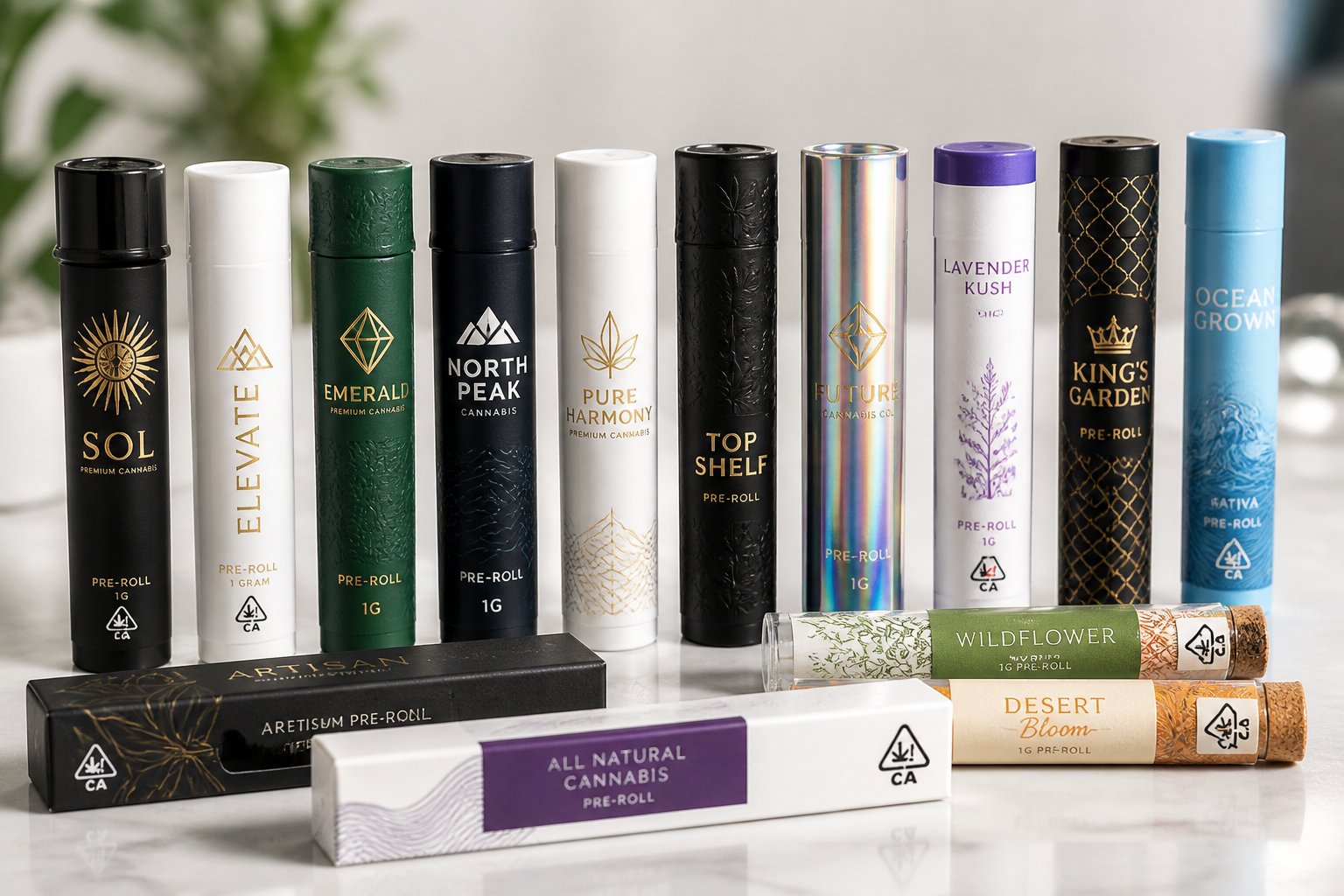
Your packaging design really drives buying decisions. Custom cannabis packaging is your best marketing weapon at the point of sale. The right combo of print methods, premium finishes, and compliant design creates visual appeal—and keeps you legal, too.
Custom Sticker Labels vs. Direct Screen Printing vs. 360° Shrink Sleeves
Sticker labels are the most flexible option for custom pre-roll tubes. You can order small batches and swap designs quickly, which is awesome for new strains or limited runs. Downside? Labels can peel or look worn after a while.
Direct screen printing puts ink right on the tube. It’s tough, looks sharp, and won’t peel. But you’ll need to order at least 5,000 units to make the setup cost worth it. Screen printing is great for up to four colors—more than that and the price jumps.
360° shrink sleeves cover the whole tube with full-color graphics. You get all-over artwork, even photos and gradients. Shrink sleeves look super premium and really pop on shelves, though they do cost more per unit.
Premium Finishes: Hot Stamping, Spot UV, and Soft-Touch Matte Coatings
Hot stamping adds shiny metallic or holographic foil to your tubes. Gold, silver, and rose gold accents scream premium and catch the eye on dispensary shelves. It’s best for logos and borders, not big areas.
Spot UV coating creates glossy, raised sections on certain parts of your design. Highlight your logo or product name, keep the rest matte. The mix of finishes adds depth and makes people want to pick up your product.
Soft-touch matte coatings give tubes a velvety feel that’s just…nice. It cuts glare and feels fancy. Lots of brands mix soft-touch with spot UV or foil for that extra tactile and visual punch.
Balancing Brand Aesthetics with Compliance Warnings and Strain Details
You’ve got to leave space for warnings, THC/CBD percentages, batch numbers, and government symbols on custom pre-roll packaging. Most states have rules for text size and where warnings go.
Work your brand design around these compliance zones—don’t just tack them on at the end. Warnings can go on the back or bottom, leaving the front for your branding. Use clear fonts and enough space so the legal stuff’s easy to read but doesn’t drown out your design.
Create a visual hierarchy that helps customers spot your brand, strain name, and product type fast. Your logo and main colors should stand out from a few feet away. Add strain info—like indica or sativa and terpene notes—in spots that don’t compete with your core branding.
Freshness, Odor Control & Production Automation
Pre-roll tubes need to keep products fresh and fit smoothly into your production line. The right seal stops your product from degrading, and tubes should work well with automated equipment.
Preservation Technology: Airtight Seals, Silicon Gaskets, and Humidity Control Packs (Boveda/Integra)
Airtight seals are your first line of defense against product degradation. Tubes with proper seals keep oxygen out, which helps protect cannabinoids and terpenes. Most quality tubes use child-resistant caps that double as air barriers.
Silicon gaskets give you added protection. These small rings sit inside the cap and press against the tube opening when you close it. The seal is way more reliable than just plastic-on-plastic contact.
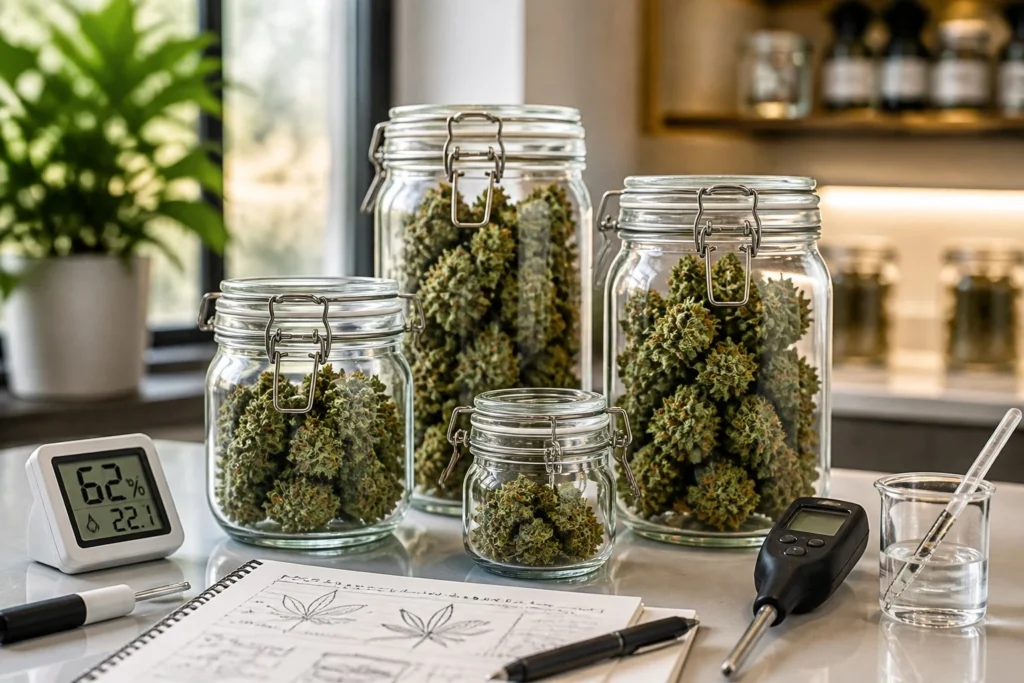
Humidity control is critical for keeping your product fresh. Pre-rolls dry out fast in low humidity, which makes them harsh. High humidity, on the other hand, can cause mold.
Humidity control packs solve this issue:
- Boveda packs keep the relative humidity steady—usually at 58% or 62% for cannabis
- Integra Boost packs do the same thing, using two-way humidity control
- Both options stop moisture loss and block excess humidity
Pick tubes wide enough to fit these packs with your pre-rolls. Standard 116mm tubes fit single joints and small packs. For multi-packs, you’ll need bigger tubes to fit everything inside.
Machine Compatibility: Ensuring Tube Tolerances Match Automated Filling and Labeling Equipment
Pre-roll filling machines need consistent tube dimensions to work right. Even a 0.5mm variation can cause jams or damage. Ask your tube supplier for specs that match your equipment’s tolerances.
Different filling systems have their own quirks. Knock boxes need tubes that stand upright. Conveyor systems want tubes with the same outer diameter, so they glide smoothly. Labeling machines need a consistent surface and finish for the adhesive to stick properly.
Key measurements to check:
- Outer diameter (commonly 19mm, 24mm, or 30mm)
- Wall thickness for durability and machine grip
- Length consistency from batch to batch
- Cap height and threading uniformity
Run a sample batch through your equipment before you buy in bulk. Run at least 100 tubes to spot any issues with feeding or positioning.
Frequently Asked Questions
How do I choose the right pre-roll tube size and material for different joint formats?
Standard pre-roll tubes come in sizes like 98mm, 109mm, and 116mm to fit different joint lengths. Measure your pre-rolls and add 5-10mm of extra space so they don’t get crushed going in or out.
Plastic tubes made from polypropylene or polystyrene are the cheapest for big runs. Glass tubes look premium and block odors better, but they cost more. Child-resistant tubes use push-and-turn caps or squeeze-and-pull designs, which add to the price.
For single joints, diameters from 13mm to 19mm work well. Multi-packs need tubes around 25mm to 30mm wide. Cone-shaped pre-rolls need tubes with wider openings or tapered interiors so they don’t get squished.
What child-resistant and tamper-evident requirements apply to pre-roll tubes in regulated markets?
Most regulated cannabis markets require child-resistant packaging that meets ASTM D3475 or ISO 8317. These rules test whether kids under five can open the package, while making sure adults still can.
Push-and-turn caps are the most common child-resistant option for pre-roll tubes. Some use squeeze-and-pull designs instead. Keep certification paperwork from your packaging supplier as proof.
Tamper-evident features include breakaway bands, tear strips, or heat-sealed caps that show if someone opened the package. Some states want both child-resistant and tamper-evident features on the same tube. California, Colorado, and Washington all require child-resistant packaging for cannabis.
Which labeling elements are typically required on pre-roll tube packaging to meet compliance standards?
Cannabis pre-roll tubes need to show THC and CBD content in milligrams per unit. Most states want this info on the main package, not just outer boxes. You also have to list the net weight of cannabis in grams.
Warning statements and symbols take up a lot of label space. Universal cannabis symbols, health warnings, and “Keep out of reach of children” are all mandatory. Batch numbers, packaging dates, and expiration dates help with tracking.
Your business license number and contact info must go on the label. Some places require compliance with specific marketing rules to avoid appealing to minors. QR codes linking to lab results are popping up more often, but not every state requires them yet.
How can I balance odor control and freshness with ease of opening in pre-roll tube designs?
Airtight seals keep things fresh but can make tubes trickier to open. Silicone or rubber gaskets in the cap block smells while letting you open the tube smoothly. You give up a bit of convenience for better odor control.
Pop-top tubes with friction-fit lids are easy to open but don’t do much for odor. These are fine if smell isn’t a big deal in your market. Child-resistant push-and-turn caps naturally create tighter seals that help lock in freshness.
Humidity control packs—those tiny 1-2 gram packets—keep things from drying out. They hold the humidity around 58-62%. Honestly, the cap seal makes more difference for freshness than the tube material itself.
What branding and customization options deliver the best shelf impact without increasing unit cost significantly?
Direct printing on tubes costs more upfront but saves per unit at high volumes. Screen printing is best for simple, one-to-three color designs. Digital printing gives you full-color graphics but gets pricey for small runs.
Paper labels are the most flexible and budget-friendly option. You can swap designs between batches without changing your whole setup. Matte finishes and textured labels give a premium feel without breaking the bank.
Custom cap colors help your brand stand out without expensive printing. Foil stamping and embossing look great but usually double your packaging cost. It’s smarter to pick one standout feature instead of piling on premium upgrades.
Transparent tubes let customers see the product and work well with simple labels. Opaque tubes need more detailed graphics to show off your quality. Honestly, logo placement and color consistency matter more for shelf impact than wild designs.
How do I evaluate suppliers for consistent quality, lead times, and scalable packaging production?
Start by requesting physical samples from several suppliers. Try the tubes with your actual pre-rolls to see how they fit, how easy they are to open, and whether the seal holds up.
Take a close look at wall thickness and the way the caps work. Some differences might surprise you.
Ask each supplier about their minimum order quantities and how long it typically takes them to deliver. Domestic suppliers often ship in 2-4 weeks, but overseas manufacturers might need 8-12 weeks.
Sure, international pricing can be tempting, but you’ll have to weigh that against longer waits and possible shipping hiccups.
Make sure your suppliers keep up with current certifications for child-resistant packaging. Ask for ASTM or ISO test reports for the exact tube models you want.
Check if they can ramp up production when your business grows. That’s something you’ll want to know sooner rather than later.
Production consistency really comes down to the supplier’s quality control processes. Ask them about defect rates and what they do if you get faulty packaging.
If you’re working with established suppliers, they should be able to give you references from other cannabis businesses. Don’t be shy about reaching out to those folks for honest feedback.