How to Prevent Concentrates From Sticking to Glass Jars: Expert Storage Guide
Cannabis concentrates can be a dream or a nightmare, depending on how you store them. Their sticky nature means they love to cling to glass jar walls, and that leads to wasted product and money—nobody wants that.
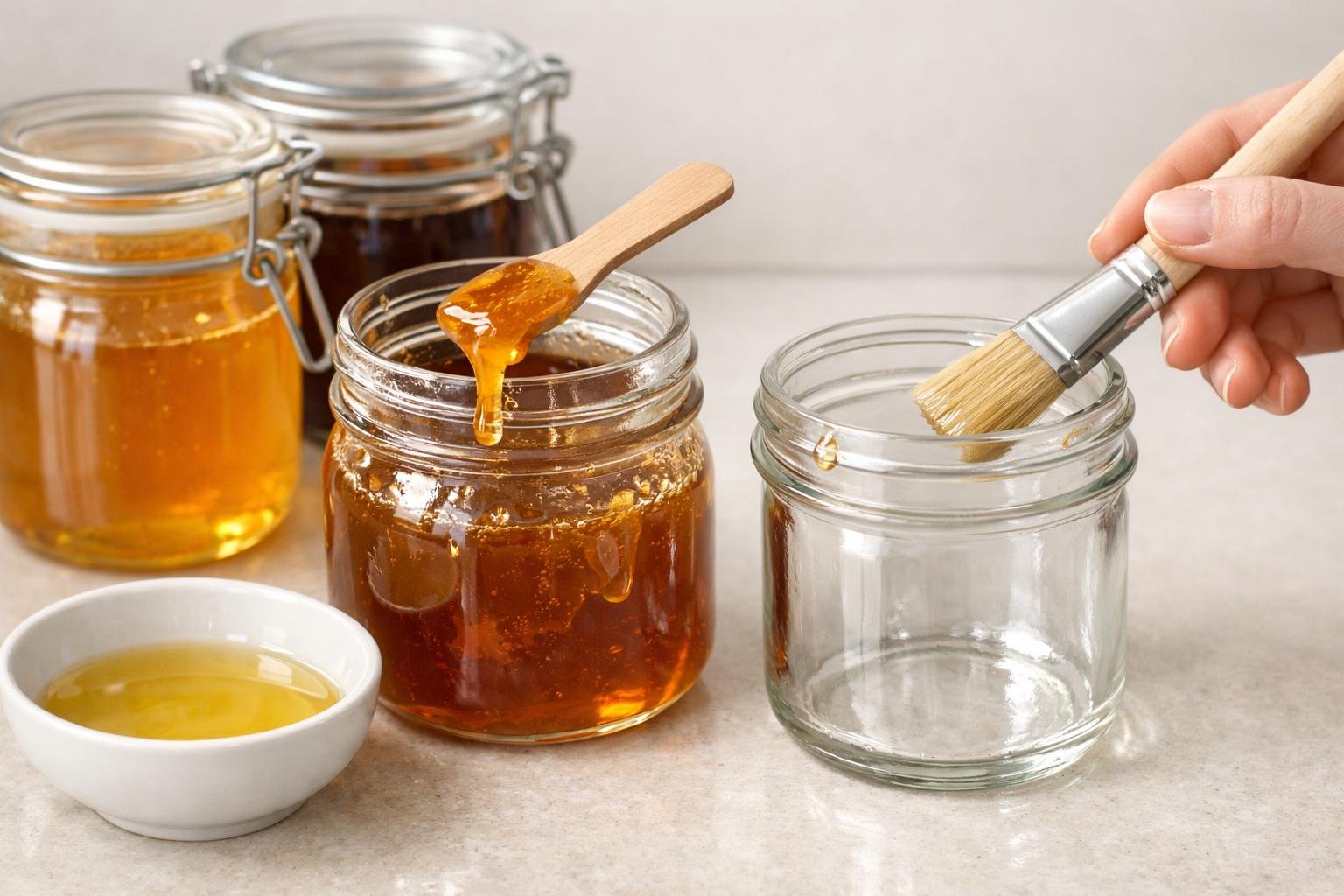
The best way to keep concentrates from sticking to glass jars is to line the jar lid with parchment paper, store jars upright in a cool, dark place, and use silicone or glass containers made for concentrates. Temperature makes a big difference—too warm and things get runny, too cold and they turn rock hard. Striking that balance is the trick for easy handling.
Just tweaking your storage habits a bit can save you a surprising amount of concentrate over time. The right containers, steady storage conditions, and using the right tools let you actually get what you paid for.
Key Takeaways
- Line jars with parchment paper and keep them upright to cut down on waste and sticking.
- Store concentrates in airtight glass or silicone containers at 60-70°F, out of the light.
- Gently warm jars before use and use proper dab tools to recover residue.
Why Concentrates Stick to Glass Jars
Cannabis concentrates stick to glass because of their chemistry and texture. The type of concentrate and its ingredients decide how much it’ll cling to the jar.
Understanding Cannabis Concentrate Textures
Different cannabis concentrates have different feels, and that changes how sticky they get. Shatter, for example, is hard and brittle at room temp, so it usually doesn’t stick much—unless it gets warm and turns gooey.
Budder and wax have a soft, buttery texture. These will stick to glass more easily since they’re pliable and like to smear on surfaces.
Live resin and sauce? Super sticky and wet. They’re loaded with terpenes, so they’re almost syrupy, and they’ll coat glass jars more than drier types.
Temperature is huge. Warm concentrates get softer and stickier—even shatter can turn into a mess if it heats up. Cold ones firm up and don’t stick as much.
Role of Terpenes and Cannabinoids in Stickiness
Terpenes are the oily compounds that give cannabis its smell and taste. They’re naturally sticky and act like a glue, so concentrates with more terpenes stick to glass a lot more.
Not all terpenes are created equal—some are way more viscous than others. If you see “high terpene” or “terp sauce” on the label, expect extra stickiness.
Cannabinoids like THC and CBD also add to the stickiness, but not as much as terpenes. THC gets resinous at room temperature, and when it teams up with terpenes, you get that classic concentrate gunk that’s tough to scrape off the glass.
The ratio of terpenes to cannabinoids matters. More terpenes means more stickiness and more residue left inside your jar.
Choosing the Right Glass Jar for Concentrate Storage
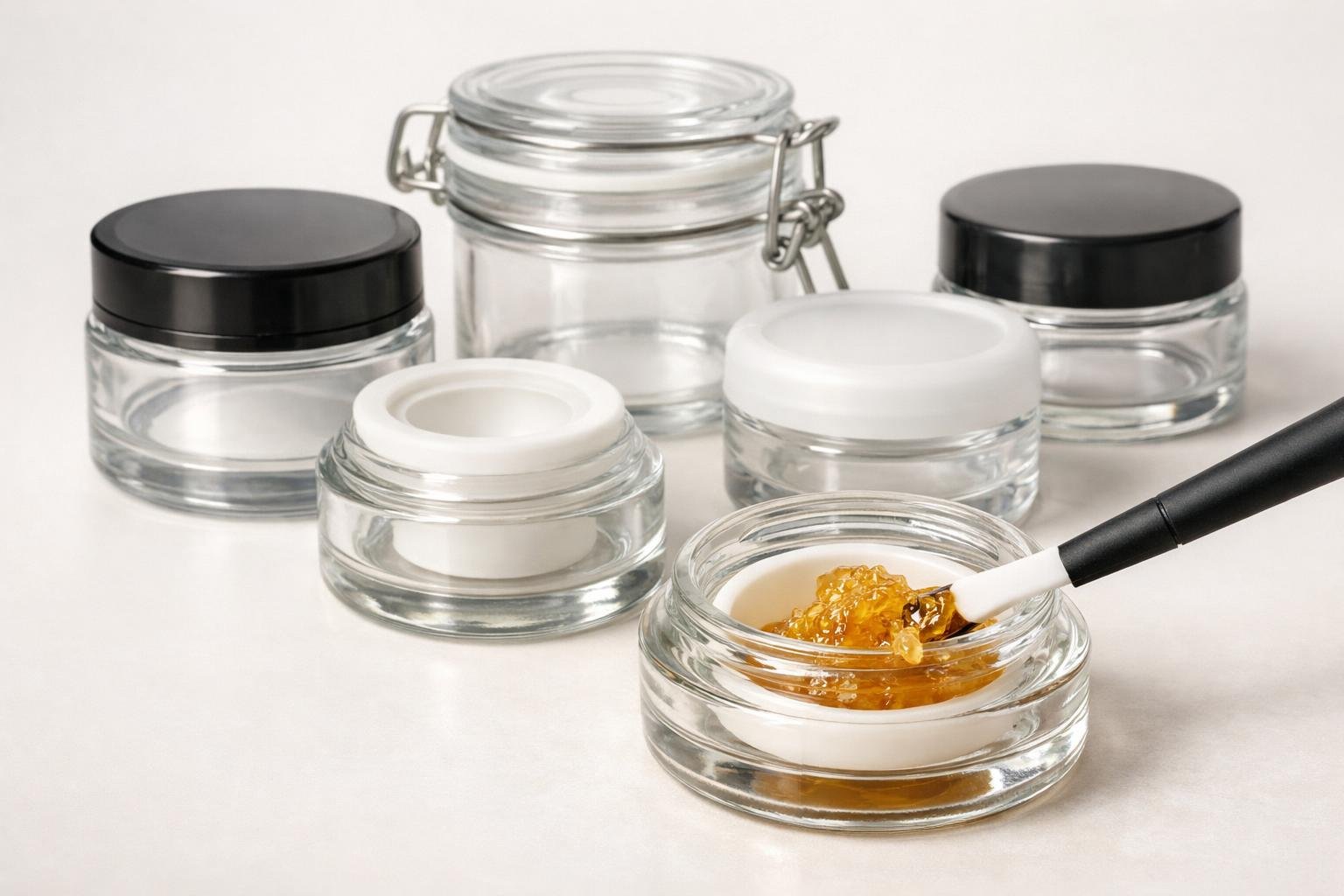
The right glass jar actually protects your concentrates and helps prevent sticking. Borosilicate glass jars, sized right, offer the best combo of durability and product freshness for stuff like rosin, shatter, or live resin.
Benefits of Borosilicate Glass Jars
Borosilicate glass is the gold standard for dab jars. It resists thermal shock, so you can take your concentrates from freezer to room temp without worrying about cracks.
This glass is non-porous, so it won’t react with your concentrates or change their flavor. Pair it with a good airtight seal, and you’ve got protection from moisture and air, too.
Borosilicate glass also cleans up easier than regular glass. Leftover concentrate comes off with less hassle, and the jars last longer even if you’re rough on them.
Selecting the Ideal Jar Size and Shape
Pick your jar size based on how much concentrate you’re storing. Small jars (5-10ml) are perfect for personal stashes, while bigger ones (30-50ml) work for bulk—but you get more air exposure every time you open them.
Wide-mouth jars make grabbing your concentrate less of a pain. They help you avoid scraping product off the sides. Short, squat jars feel more stable and have less surface area for things to stick to.
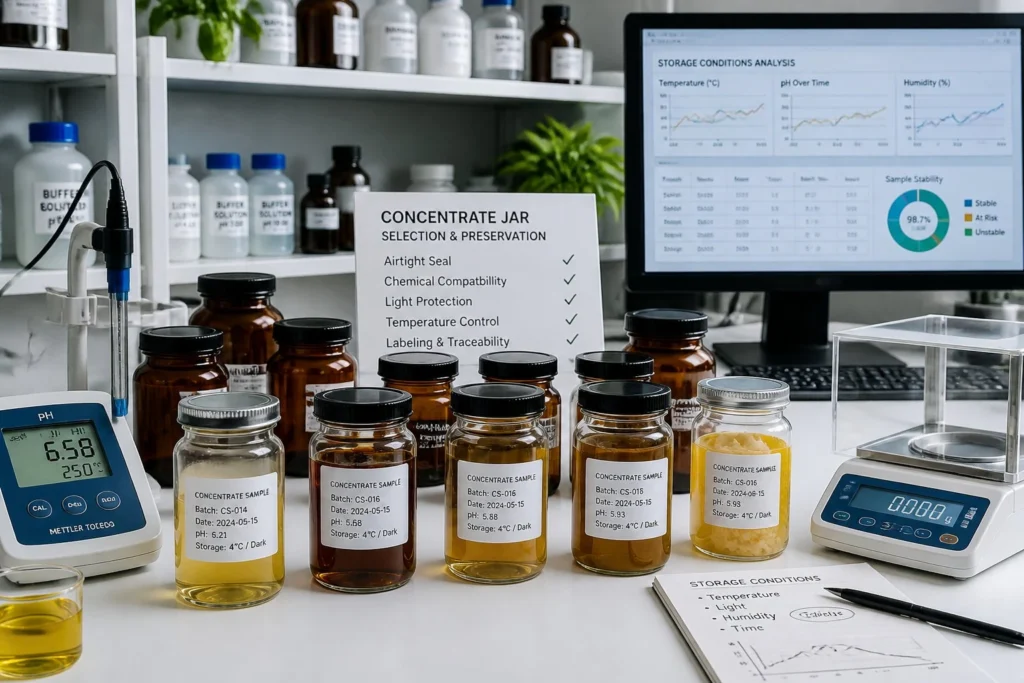
Dark-colored or UV-blocking glass helps protect your concentrates from light. Amber and cobalt blue filter out the bad stuff but still let you peek inside. Clear glass is fine if you keep your jars in the dark.
Best Practices to Prevent Sticking Inside Glass Jars
Keeping concentrates from sticking to glass jars isn’t rocket science, but you need the right tools and a bit of know-how. Using barriers, the right tools, and controlling temperature all help you get more out of each jar.
Using Parchment Paper as a Liner
Parchment paper acts like a non-stick shield between your concentrate and the glass. It’s especially handy for sticky stuff like budder, rosin, or shatter that’s gotten tacky.
Just cut a piece to fit your jar. Lay it flat or fold it into a pouch to hold the concentrate. When you want your product, just lift the paper out—no more scraping the bottom.
Benefits of parchment paper:
- No weird chemical reactions with your concentrate
- Easy to swap out for a fresh piece
- Keeps concentrate off the glass walls
- Works for almost any consistency
Change the parchment paper when you add new concentrate. You can use parchment squares to separate layers if you’re stacking different portions in one jar.
Applying Dab Tools for Easy Transfer
Dab tools make scooping and transferring way easier than using your fingers. Metal, glass, or ceramic tools don’t absorb terpenes and are a breeze to clean.
Try to keep your dab tool at the same temp as your concentrate. If there’s a big temp difference, things just get stickier. Store your tool close to the jars so it’s always ready.
Scrape with smooth, steady moves—don’t jab or push product into the corners. Clean the tool between uses to avoid mixing flavors or textures.
Warming Techniques to Minimize Residue
Warming up your jar just a little can make a world of difference. Hold the closed jar in your palm for half a minute or so—your body heat softens the concentrate enough to get it out more easily.
For stubborn leftovers, try a warm water bath (90-100°F) with the jar upright. Don’t microwave your jars—uneven heating can ruin both the concentrate and the glass.
Let the jar cool back to room temp before opening it. That way, you won’t get condensation inside, which just adds moisture you don’t want.
Alternative Storage Solutions for Sticky Concentrates
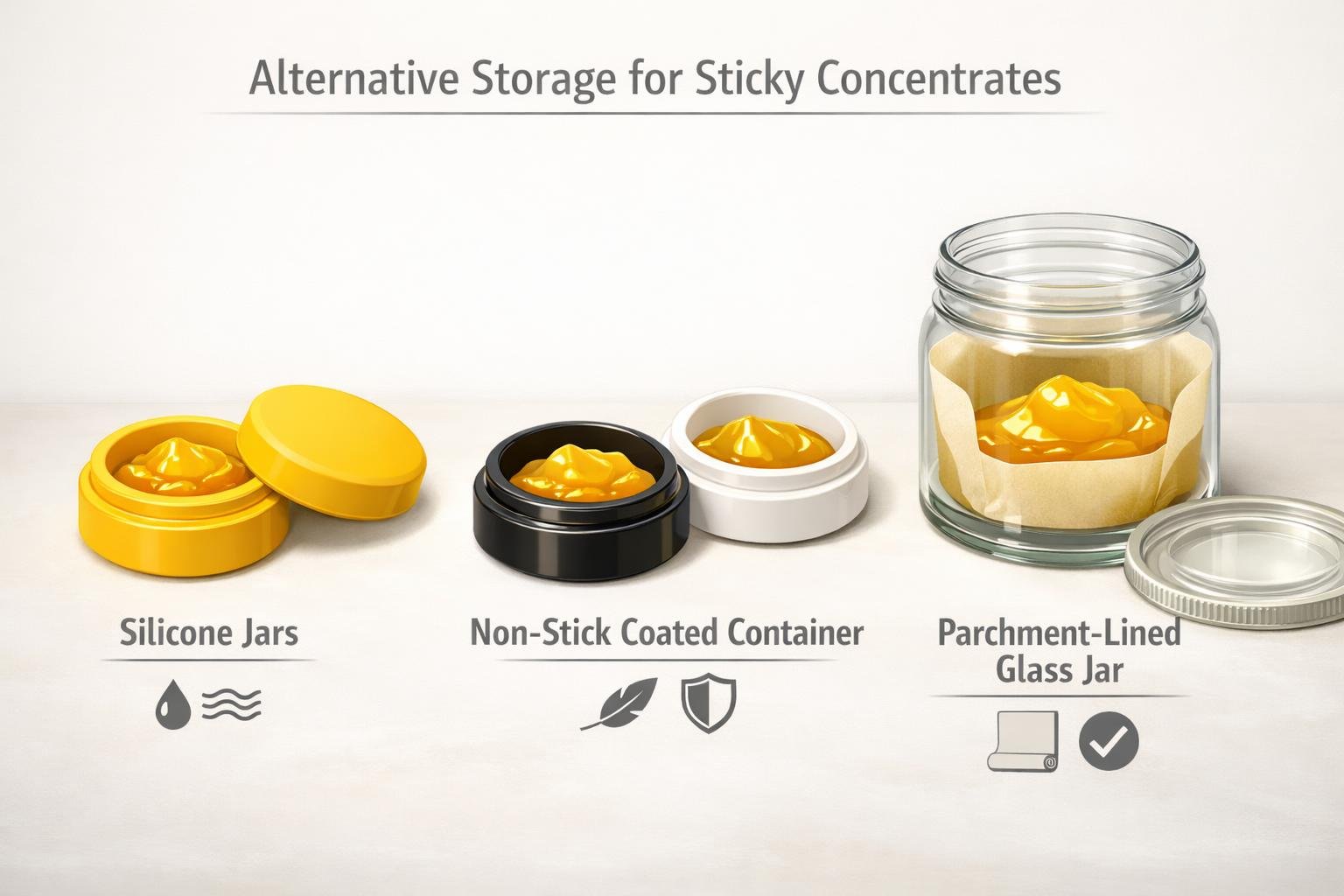
Silicone containers are a solid choice for short-term storage of sticky concentrates. Humidity packs can help control moisture in your storage setup too.
Short-Term Use of Silicone Containers
Silicone containers are awesome for sticky stuff like budder and wax. The material naturally resists sticking, so your concentrate pops out without a fight.
They’re best for daily use, not long-term storage. Silicone is a bit porous, so over time it might soak up terpenes, which can mess with flavor and potency.
Go for medical- or food-grade silicone, since lower-quality stuff can have additives that you don’t want mixing with your concentrate. Keep these containers somewhere cool and dark.
Best uses for silicone containers:
- Everyday dab stash
- Transporting concentrates
- Storing super sticky textures like badder
- Short-term storage (up to two weeks)
Humidity Pack Utilization
Humidity packs help keep a steady moisture level in your storage area. They usually regulate humidity between 55% and 62%—perfect for cannabis stuff.
Just toss a humidity pack in the drawer or box where you keep your jars. It’ll stop things from getting too moist or drying out, which is especially handy if your climate is extreme either way.
Don’t let the pack touch your concentrate directly—keep it near, not in, the jars. Swap the packs every couple months, or however the manufacturer suggests.
Environmental Factors Impacting Concentrate Stickiness
Temperature, humidity, and light all team up to decide how sticky your concentrates get in glass jars. Store them the wrong way, and you’ll notice the texture changing—and more sticking than you bargained for.
Optimal Temperature for Storage
The ideal temperature range for storing cannabis concentrate sits between 60-70°F. If it gets warmer, concentrates soften and become annoyingly sticky, clinging to glass and making a mess.
Colder temps can make some concentrates brittle, but that’s usually better than the sticky alternative.
Avoid temperature fluctuations at all costs. When the temperature jumps around, condensation forms inside your jars, and that moisture only adds to the stickiness and degrades quality.
If you keep warming and cooling your concentrates, they turn into a hassle—harder to handle, tougher to scoop out, and just kind of a pain.
Stash your jars somewhere cool and dark, like a drawer or cupboard, away from heat sources. Don’t leave them near windows, radiators, or anything that gets hot.
Honestly, room temperature works for most concentrates, as long as things stay steady. Just avoid the drama of temperature swings.
Controlling Humidity Levels
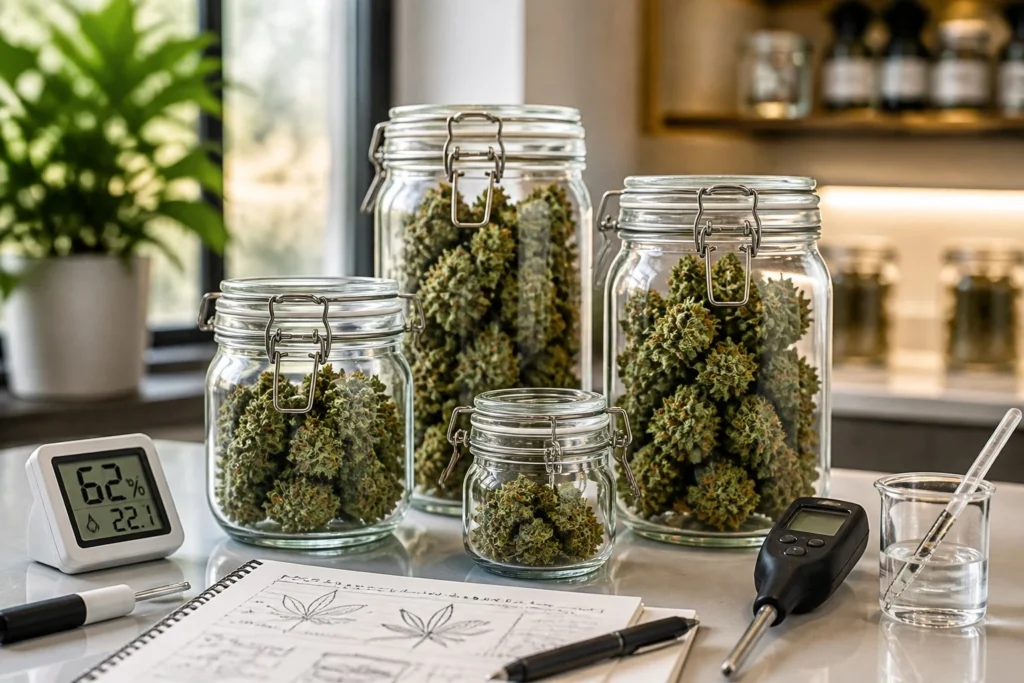
Try to keep humidity between 55-62% when storing concentrates. Too much moisture makes them sticky and speeds up degradation.
Low humidity can dry out some types, but that’s not nearly as common as moisture problems.
Throw a humidity control pack in your storage area to keep things balanced. These packs suck up extra moisture or add some if it gets too dry.
If humidity gets too high, concentrates turn gummy and stick to glass so much you end up wasting some every time.
Take a look at your storage spot now and then. If you see condensation on the jar walls, your humidity’s too high, or the temperature keeps changing.
Protecting Against Light Exposure
UV light and sunlight break down cannabinoids and steal terpenes from your concentrates. Over time, this messes with texture, making things stickier and less potent.
Light exposure also changes the flavor, and honestly, who wants that?
Store in opaque containers or keep glass jars somewhere completely dark. Amber or dark-colored glass blocks more light than clear glass ever could.
If you’re stuck with clear containers, tuck them inside a closed cabinet or drawer. Even regular room lights can affect concentrates over time.
The darker your storage, the better. Light protection helps keep your concentrates close to how they started—same chemical profile, same texture, less stickiness.
Mistakes to Avoid When Storing Concentrates in Glass Jars
Even with the perfect glass jar, bad habits can make your concentrates stick, lose potency, or go downhill way faster than you’d expect. Opening jars too often, using the wrong stuff, or skipping checkups—these are the usual suspects for lost freshness and quality.
Overhandling and Air Exposure
Every time you crack open your jar, you let in oxygen and moisture. Both cause oxidation, which breaks down cannabinoids and evaporates terpenes—no one wants that.
Repeated opening also brings in warmth from your hands and the air. That softens wax or makes already sticky concentrates even trickier to deal with.
Keep your sessions quick. Grab what you need, seal the jar right away, and move on.
If you use concentrates daily, split your stash into smaller jars. That way, you only open what you’ll actually use, not the whole supply every time.
Find a spot where the temperature barely changes and leave your jars there. Moving jars from fridge to room temp? That’s just asking for condensation and trouble.
Incorrect Container Materials
Not every glass jar is up to the job. Clear glass lets in light, which slowly ruins your cannabinoids and terpenes. UV rays are especially brutal.
Go for dark or opaque glass jars. Amber and cobalt blue are solid choices. If clear’s all you’ve got, at least keep them out of the light.
Avoid mixing materials. Parchment paper works for short-term storage, but skip plastic wrap or sandwich bags inside glass. Plastics can leach chemicals—no thanks.
Make sure your jar has an airtight seal. Loose or busted lids let air in and dry things out or make concentrates stick to the sides.
Ignoring Regular Jar Inspection
Check your jars every few weeks, especially if you’re storing concentrates for a while. Look for condensation, mold, or weird texture changes.
Condensation inside means moisture snuck in. This usually happens if you open a cold jar too fast or store it somewhere humid.
Wipe the jar dry with a clean cloth and move it somewhere less damp. If you notice color changes, cloudiness, or a funky smell, your concentrate probably degraded.
Clean empty jars thoroughly before reusing them. Old residue can mess with the next batch’s flavor or even contaminate it.
Frequently Asked Questions
How you store and handle your concentrates really does make a difference in preventing them from sticking to glass jars. Temperature control and proper jar prep help cut down on stickiness too.
What are the best storage practices for keeping concentrates from adhering to glass containers?
Use small glass jars that fit your stash closely. Less empty space means less air, which keeps texture more stable and sticking to a minimum.
Keep your jars somewhere cool and dark, away from heat and sunlight. Heat just makes concentrates softer and stickier.
Seal jars tightly after every use. Air exposure changes the texture over time, and not in a good way.
Can certain materials prevent stickiness when storing concentrates in glass jars?
PTFE-lined lids are great for sticky concentrates. That smooth, non-reactive layer inside the lid keeps stuff from gluing itself to the cap.
Borosilicate glass jars are probably the best choice. They’re tough and don’t react with concentrate oils, so texture stays how it should.
Parchment paper can work as a liner—just put a small piece on top of your concentrate before you close the lid. It acts as a little barrier.
What temperature conditions minimize the sticking of concentrates to glass jars?
Room temperature is usually best for daily-use concentrates. Temperatures between 60-70°F keep most types at a workable, easy-to-handle consistency.
Don’t store jars near stoves, windows, or electronics. High heat melts concentrates, spreading them out and making them stick even more.
If you need to refrigerate for longer storage, let the jar warm up to room temp before opening. Cold concentrates are firmer and less sticky, but opening a cold jar invites moisture inside.
Is there a specific way to condition glass jars before storing concentrates to prevent sticking?
Wash your jars with warm, soapy water, rinse thoroughly, and dry them completely before use. Any leftover residue or moisture can mess with your concentrates.
Don’t add anything to the glass itself. Just keep it clean and dry—borosilicate glass gives you the best non-reactive surface for storage anyway.
How can the consistency of concentrates affect their tendency to stick to glass jars, and how can this be managed?
Softer concentrates like live resin and rosin stick to glass more than harder forms like shatter. The higher moisture and oil content makes them extra adhesive.
Temperature plays a big role here. Keeping softer concentrates a bit cooler firms them up, making them less likely to stick or spread.
Use smaller amounts in daily jars. That way, you finish them faster, and temperature swings don’t have as much time to mess with the consistency.
Are there any recommended liners or coatings for glass jars to ensure concentrates do not stick?
PTFE-lined lids work really well for this. That special coating keeps concentrates from sticking to the cap, which is a relief.
You can also use food-grade parchment paper as a liner. Just cut small circles to fit your jar and set them on top of the concentrate before sealing it up.
Skip plastic liners or coatings. Concentrates tend to pull chemicals from plastic, and that can mess with taste and quality as time goes on.