Amber vs Clear vs Frosted vs Black: Choosing Cannabis Glass Packaging Color
Picking the right glass color for your cannabis products does a lot more than just make your packaging look good on a shelf. The color you pick can change how long your product stays fresh, how it tastes, and even how people see your brand.
Each glass color has its own job—from blocking out harsh light to letting folks see what’s inside. Some colors keep your products safe, while others put them on display.

Amber glass blocks nearly all UV light, making it the top choice for protecting cannabis from going bad. Clear glass shows off your product but gives zero light protection. Frosted glass gives you a little privacy and filters some light, while black glass blocks the most UV and looks fancy.
Cannabis has cannabinoids and terpenes that start breaking down when light hits them. That breakdown means less potency and changed flavors. The packaging you use decides if your product reaches customers in great shape or not.
Knowing how each glass color performs helps you make smarter choices for your products. You want to balance protection, looks, and cost, but also keep your brand’s vibe and your customers’ needs in mind.
Key Takeaways
- Amber and black glass protect cannabis best from UV light, keeping cannabinoids and terpenes safe
- Clear glass lets you show off your product but needs extra protection or quick turnover
- Your choice of glass color affects shelf life, how customers see your product, and your spot in the cannabis market
Essential Differences Between Amber, Clear, Frosted, and Black Glass
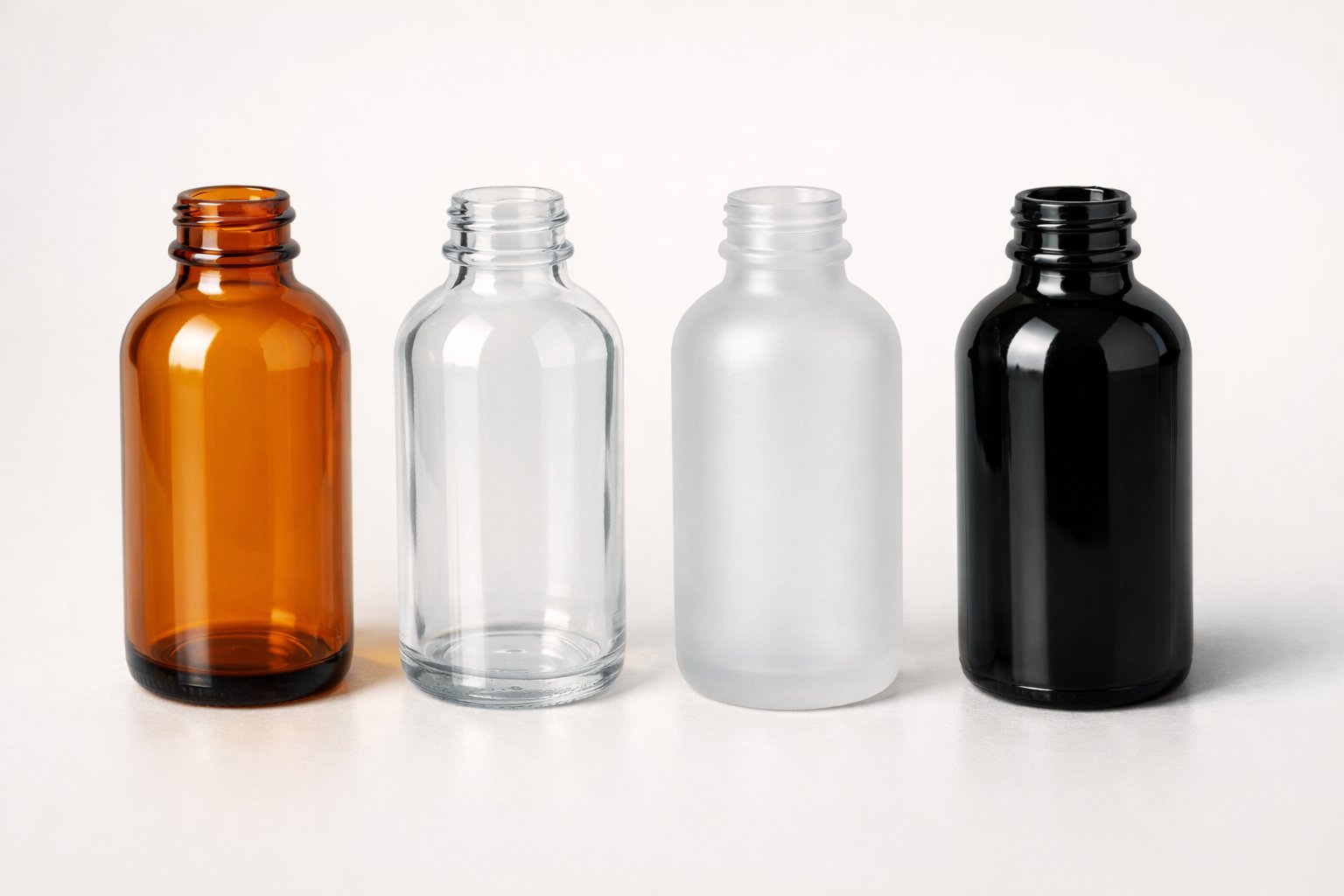
Each glass color offers a different level of light protection thanks to what goes into the glass. They also look and feel different, which changes how customers interact with your products.
Light Protection Mechanisms
Amber glass blocks about 99% of UV rays under 450nm. It’s really effective at keeping light-sensitive cannabis compounds safe. The glass filters out the light that breaks down cannabinoids and terpenes.
Clear glass doesn’t block any UV. It lets in the whole spectrum, so your cannabis is wide open to light damage.
Frosted glass only gives a little protection. The surface scatters the light, but it doesn’t really filter out UV like colored glass does.
Black glass blocks pretty much all UV and visible light. If you want to keep your cannabis as fresh as possible, this is the strongest option.
Protection ranking from strongest to weakest:
- Black glass (blocks almost all UV and visible light)
- Amber glass (99% UV protection below 450nm)
- Frosted glass (just diffuses light)
- Clear glass (no UV protection at all)
Material Composition and UV Shielding
What’s in the glass makes all the difference. Amber glass gets its color from iron oxide and sulfur compounds mixed in during manufacturing. These additives soak up specific wavelengths and create a solid barrier.
Clear glass is just regular soda-lime glass with no colorants. Since there’s nothing added, it stays transparent and doesn’t block UV.
Frosted glass starts out clear. The frosted look comes from acid etching or sandblasting after the glass is made. It looks cloudy but doesn’t actually filter UV—just changes the appearance.
Black glass uses more iron oxide, manganese, and other oxides. That makes it almost totally opaque and super effective at blocking light, both UV and visible.
Visual Characteristics and Transparency
Clear glass is completely see-through. You can check out the color, texture, and how much is inside. This is great if you want to show off your product.
Amber glass has a brownish tint. You can still see what’s inside, but it’s filtered, giving off an old-school, apothecary vibe that a lot of brands like.
Frosted glass looks cloudy white. It hides the details but lets you see the general shape and how much is in there.
Black glass is basically opaque. Unless you add a clear window or use special lighting, nobody can see what’s inside. This gives a high-end, mysterious feel and keeps your product protected.
| Glass Type | Transparency Level | Product Visibility |
|---|---|---|
| Clear | 100% | Full view of contents |
| Amber | 70-80% | Tinted view of contents |
| Frosted | 30-40% | Obscured shapes only |
| Black | 0-5% | No visibility |
Impact on Cannabis Product Quality and Shelf Life
The color of your glass packaging really matters for how long your cannabis stays potent and fresh. Light breaks down cannabinoids and terpenes, but the right glass color blocks those damaging rays and keeps your product in better shape.
Preservation of Light-Sensitive Ingredients
Cannabis is packed with light-sensitive stuff that doesn’t handle UV or visible light well. Terpenes, which give cannabis its smell and flavor, start to break down fast when exposed to light. Amber glass blocks up to 98% of UV and a good chunk of visible light, making it a solid choice for keeping those delicate compounds intact.
Clear glass leaves your product wide open to light damage. Buds lose potency faster, especially under store lights or near windows. Frosted glass doesn’t do much for UV but does cut down a bit on visible light. Black glass blocks everything, but then nobody can see what they’re buying.
If you store products in dark places, clear or frosted glass might be fine. But for store shelves or long-term storage, amber glass gives you the best mix of protection and visibility.
Reducing Degradation of Active Compounds
THC and CBD break down into weaker compounds when light hits them. Some studies say cannabis in clear containers can lose up to 30% of its cannabinoids in six months. Amber glass slows this loss by blocking the wavelengths that cause it.
Your packaging also impacts more than just strength. Light makes cannabis oxidize, which messes with the taste and overall quality. Amber glass jars and bottles help prevent this while still letting you see inside.
Black glass protects the most, but it makes quality checks harder. You can’t spot mold or moisture problems without opening the jar. That’s why most brands stick with amber glass—it’s a good balance between protection and practicality.
Best Glass Color for Essential Oils and Concentrates
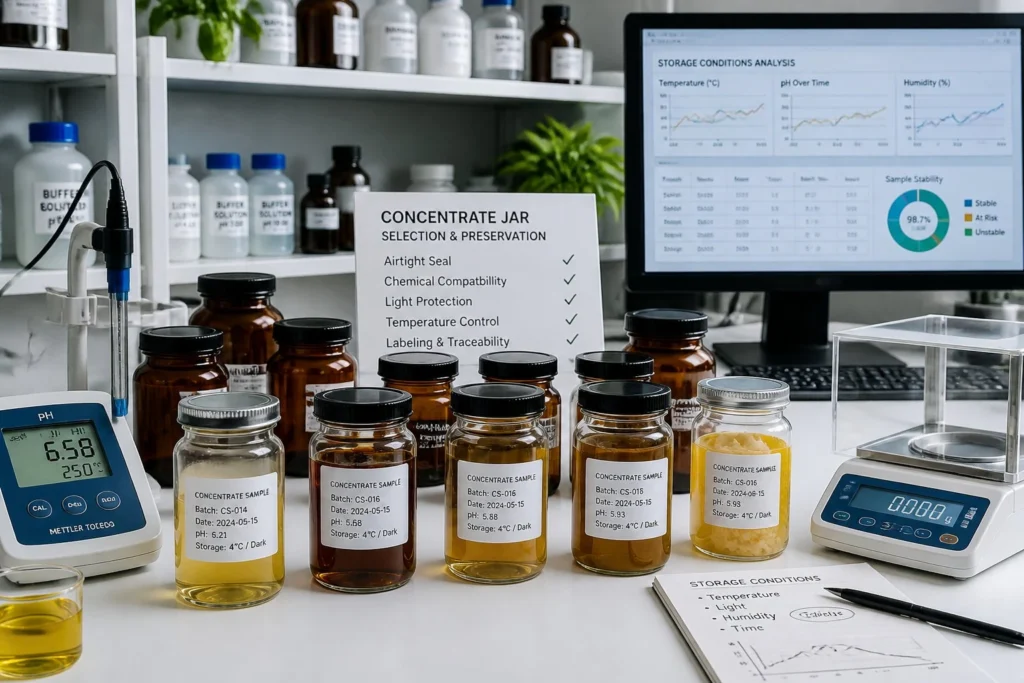
Concentrates and oils are even more sensitive to light than flower. Since they’re more concentrated, they degrade faster. Amber glass bottles are pretty much the standard for these products.
If you store concentrates in clear glass, they lose color and get weird flavors quickly. Amber glass can keep them fresh for months longer.
For tinctures and liquids, amber glass lets you see the fill level while blocking UV. Black glass works for stuff you don’t need to see, but most people want to check what they’re buying first.
Application to Serums, Retinol, and Vitamin C
The same rules go for other light-sensitive products, like serums with retinol or vitamin C. Amber glass keeps these ingredients stable. They break down fast in clear glass, so you lose effectiveness.
Retinol loses its punch in just days if you store it in clear glass. Amber glass keeps it working longer by blocking UV and visible light.
Vitamin C serums turn brown and lose their antioxidant kick when left in clear bottles. Amber glass slows this down a lot. So, if you’re packaging anything sensitive to light, amber glass is usually the way to go.
Branding, Aesthetic, and Consumer Perception
Glass color can totally shift how people see your cannabis products. The packaging you pick says a lot about your brand’s vibe and what you care about.
Influence of Packaging Color on Brand Identity
Your packaging color becomes part of your brand’s look. Amber glass gives off a medicinal or old-school pharmacy feel, which is great for wellness brands. It tells people you care about quality and keeping things fresh.
Clear glass signals purity and transparency. If you want customers to see what’s inside, this is your best bet. Your brand comes across as open and honest.
Black glass just screams luxury and sophistication. It puts your products in the premium lane and appeals to folks who want something special.
Frosted glass lands somewhere in between. It looks modern and clean, which younger customers might like. The semi-opaque finish adds a little mystery but still lets people peek inside.
Product Visibility and Transparent Packaging
Clear glass lets customers check out your product before they buy. They can see the color and quality right through the jar. That can build trust if your cannabis looks great.
This works best if your buds have nice color and are well-cured. You’re basically showing off your hard work.
The downside? Clear glass doesn’t protect much, so you’ll need to use extra packaging or move products quickly to keep them fresh. THC and terpenes break down faster in clear jars.
Some brands use clear glass for display but ship products in protective boxes. That way, you get the best of both worlds—looks and protection.
Luxury and Privacy with Frosted or Black Glass
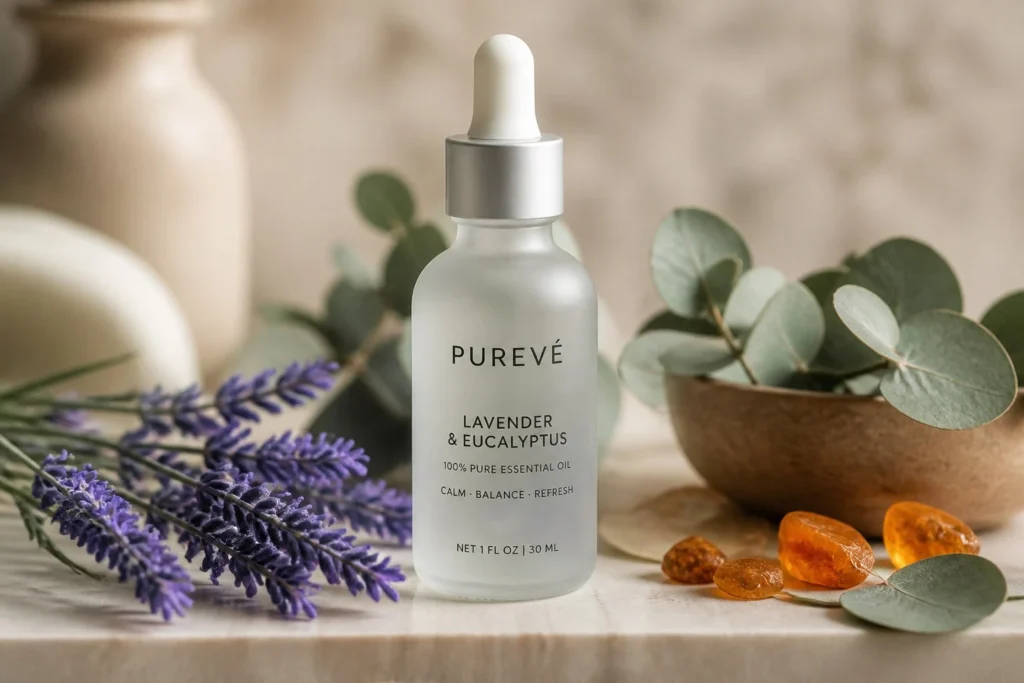
Frosted glass bottles give a high-end look that can justify a higher price. The matte finish feels fancy and stands out from the usual packaging. It also hides small imperfections while still letting a little light in.
Black glass is all about privacy and protection. Nobody can see inside, so it creates some intrigue. Plus, it’s the best at keeping your product safe from light.
Both frosted and black glass appeal to people who want discretion. If you don’t want everyone to know what you’re carrying, these are solid choices.
They also look great in photos. The solid color makes for clean, eye-catching shots on your website or social media.
Customization and Packaging Design Considerations
Your glass color affects how you design your labels. Clear and frosted glass need simple labels that don’t cover up the product. Amber and black glass give you more space for branding.
Design factors by glass color:
- Clear: Keep labels simple so the product shines through
- Amber: Go for classic fonts and maybe some vintage or medical imagery
- Frosted: Try bold graphics and modern typography
- Black: Use metallic or white ink for high contrast
You can mix and match glass colors across your product lines. Maybe use black glass for your top-shelf products and amber for everyday stuff. That way, you create a visual ladder in your catalog.
Consistency is key, though. Stick to one or two main glass colors for your core products. It helps people recognize your brand and builds loyalty.
Environmental and Practical Considerations for Cannabis Brands
Your choice of glass packaging affects both your eco-footprint and your costs. Most glass colors are about the same for sustainability, but prices and how well they work with your product can vary a lot between amber, clear, frosted, and black.
Sustainability and Recyclability of Glass Types
All glass colors are recyclable through standard municipal programs. Clear, amber, frosted, and black glass share the same recycling classification, and you can process them indefinitely without losing quality.
The environmental footprint varies a bit during production. Amber glass jars need metal oxide additives, which adds only a small environmental impact compared to clear glass.
Frosted glass goes through an extra surface treatment. That process uses a bit more energy than making standard glass.
Black glass contains the highest concentration of colorants, but you can still recycle it just like the others.
Glass packaging creates less waste than plastic, no matter the color. The bigger environmental decision is choosing glass over plastic in the first place.
Cost, Availability, and Compatibility
Clear glass usually costs less since it doesn’t need additives or extra processing. Amber glass typically runs 5-15% more than clear because of those metal oxides added during production.
Frosted glass is pricier—expect a 10-25% premium because of the secondary surface treatment. Black glass falls in about the same price range as amber.
Amber jars and clear bottles are the easiest to find in different sizes and shapes. You can get them from several suppliers, and lead times are generally short.
Frosted and black glass are less common, especially if you want small-format containers or big storage jars. Sometimes, you have to hunt around a bit.
Child-resistant closures and vacuum-seal lids fit all glass colors. You don’t need to change your packaging equipment or labeling systems when you switch glass types.
Versatility for Different Cannabis Products
Amber glass works best for light-sensitive products like concentrates, oils, and tinctures. It blocks up to 90% of UV light, protecting cannabinoids and terpenes from breaking down.
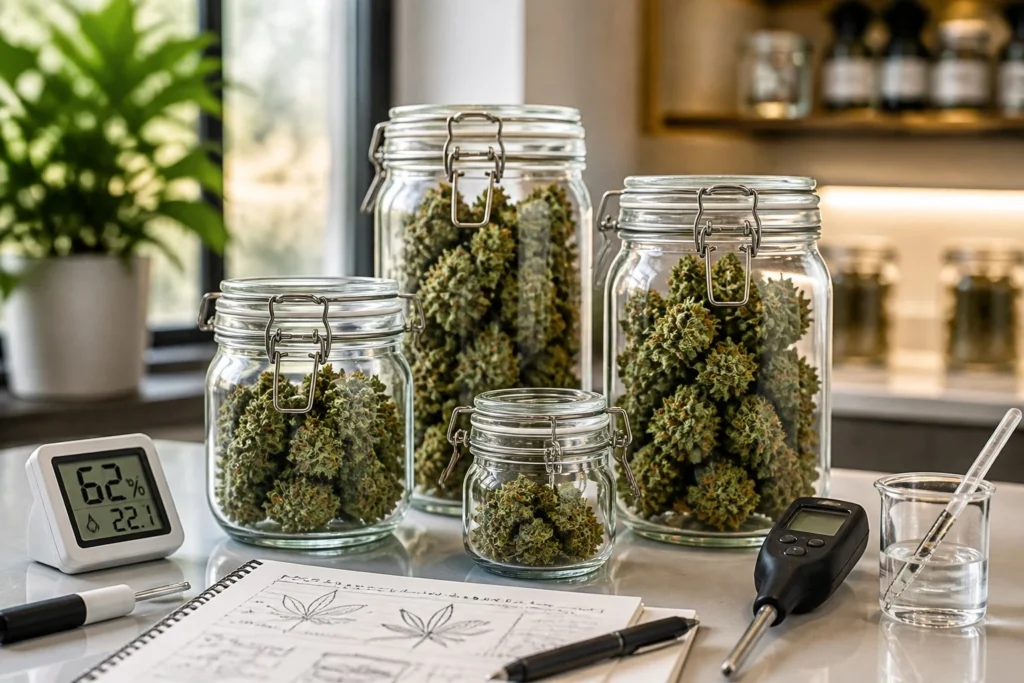
Clear glass is great when you want shoppers to see the product. Customers can check flower quality, crystal formation, and color right through the container.
Frosted glass gives moderate light protection but still lets you see some of the product. This style works well for premium flower lines where you want both protection and a bit of display.
Black glass blocks all light, so it’s a solid choice for highly photosensitive extracts and concentrates. Of course, you lose all product visibility with black glass—something to consider.
Most cannabis brands mix and match different glass colors across their product lines. Committing to just one color? Not really the norm.
Frequently Asked Questions
Glass color matters for cannabis packaging. It protects products from light degradation and shapes how customers see and experience what’s inside.
Different colors offer varying levels of UV protection and visual appeal. Choosing the right one depends on your priorities—protection, branding, or maybe both.
What are the advantages of using amber glass for cannabis packaging?
Amber glass blocks harmful UV light by absorbing wavelengths below 450 nanometers. This keeps cannabinoids and terpenes from breaking down under sunlight or artificial lighting.
Your cannabis products keep their potency longer in amber glass containers. The color helps preserve the chemical makeup of both flower and concentrates.
Amber glass containers usually contain a high percentage of recycled materials. If you’re aiming for sustainability, that’s a definite plus.
How does clear glass impact the shelf life and potency of cannabis products?
Clear glass doesn’t block UV light, so cannabis inside is vulnerable to light exposure. UV rays break down cannabinoids like THC and CBD, reducing potency and effectiveness.
Light passing through clear glass also degrades terpenes, which are responsible for aroma and flavor. Products might lose their unique character and develop off-flavors if left in clear containers for too long.
Clear glass works best for products with short shelf lives or those stored in dark places. If you want product visibility and know the containers won’t get much light, clear glass can make sense.
What are the benefits of frosted glass containers for cannabis storage?
Frosted glass strikes a balance between protection and looks. The matte finish diffuses light, giving moderate UV protection and a premium vibe.
Your brand gets a sophisticated, luxury feel with frosted packaging. It hides fingerprints and smudges better than clear glass, which helps products look cleaner on shelves.
Frosted glass offers some privacy while still letting customers peek at the contents. It’s a good fit for brands that want a bit of discretion without hiding everything.
Why might black glass be preferable for protecting cannabis from light exposure?
Black glass gives the highest level of light protection. It blocks nearly all visible light and UV rays, so it’s ideal for your most sensitive cannabis products.
Concentrates, oils, and high-potency extracts benefit the most from black glass storage. These products are especially vulnerable to light, and black glass helps them last longer.
Black glass looks premium and discreet, which appeals to many cannabis consumers. The opaque surface keeps everything private—great if your customers want that extra level of discretion.
Can the color of glass affect the aroma and flavor profiles of cannabis?
The color of glass itself doesn’t change aroma or flavor. But the amount of light protection makes a huge difference when it comes to preserving terpenes during storage.
Terpenes break down fast when exposed to UV light and heat. If you store cannabis in glass that blocks UV, the terpene profile stays intact, so you keep the original aroma and flavor.
Clear glass lets light in and degrades terpenes quickly. Cannabis in clear containers left in the light can develop harsh, stale flavors and lose its scent.
Amber and black glass protect terpenes by stopping light from getting in. Your products keep their complex flavors and aromas for longer, which means a better experience for your customers.
How do different glass colors influence the visibility of the product within cannabis packaging?
Clear glass lets customers see everything inside. They can check out the color, texture, and quality before buying, which feels pretty reassuring.
If you want to show off vibrant flower colors or those crystal-covered buds, clear glass does the job. Visual appeal goes a long way for buyers who like to know exactly what they’re getting.
Amber glass is a bit more mysterious. It lets in some light, so customers can make out general shapes, but the finer details stay hidden unless they actually open the container.
In bright lighting, amber glass reveals a hint of what’s inside. Still, you keep some secrets until the last moment.
Frosted glass? It’s got that soft, translucent look. You can see the product’s volume and get a sense of color, but everything’s a bit muted—almost like looking through a clouded window.
This style feels elegant and understated. It often appeals to those shopping for a premium experience.
Black glass, on the other hand, doesn’t let you see anything inside at all. Customers can’t inspect the contents, so you have to rely on your labels, branding, and overall packaging design to tell your story.