Beyond the Amber Bottle: Next-Generation Essential Oil Packaging Insights
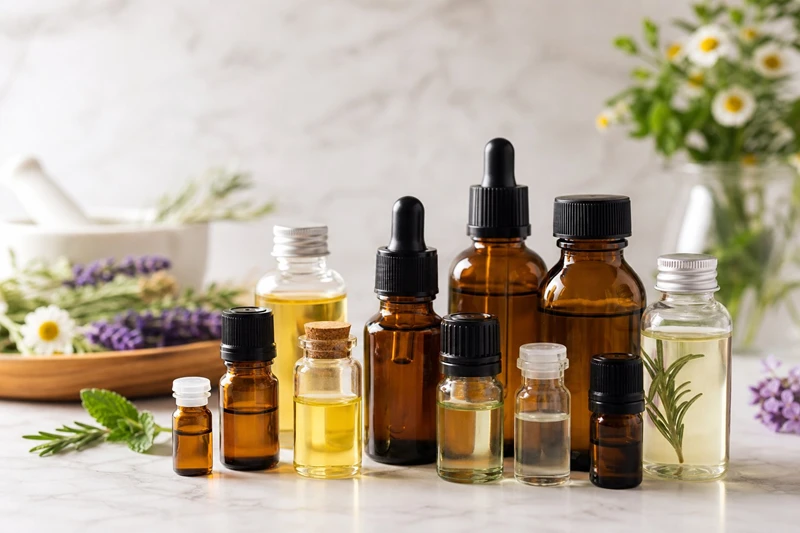
Amber bottles have been the standard for essential oil packaging for decades. But today’s wellness and fragrance brands want more than just basic light protection.
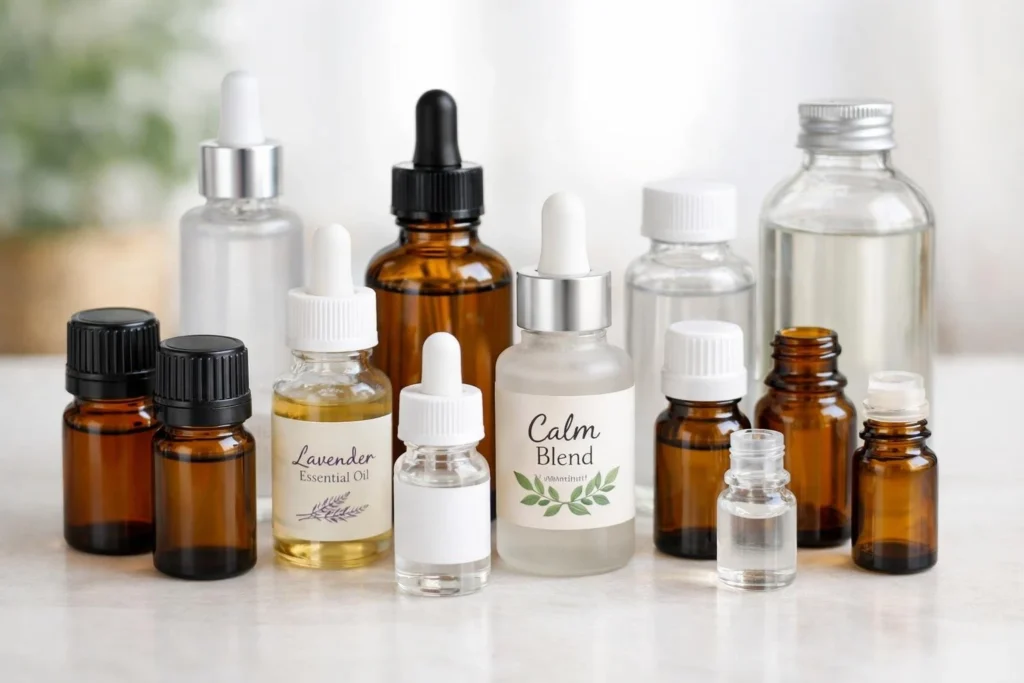
Modern essential oil packaging now combines advanced material science, precision dispensing systems, and sustainable design to meet both consumer expectations and product integrity requirements. The shift goes beyond aesthetics to tackle ingredient compatibility, user experience, and environmental impact.
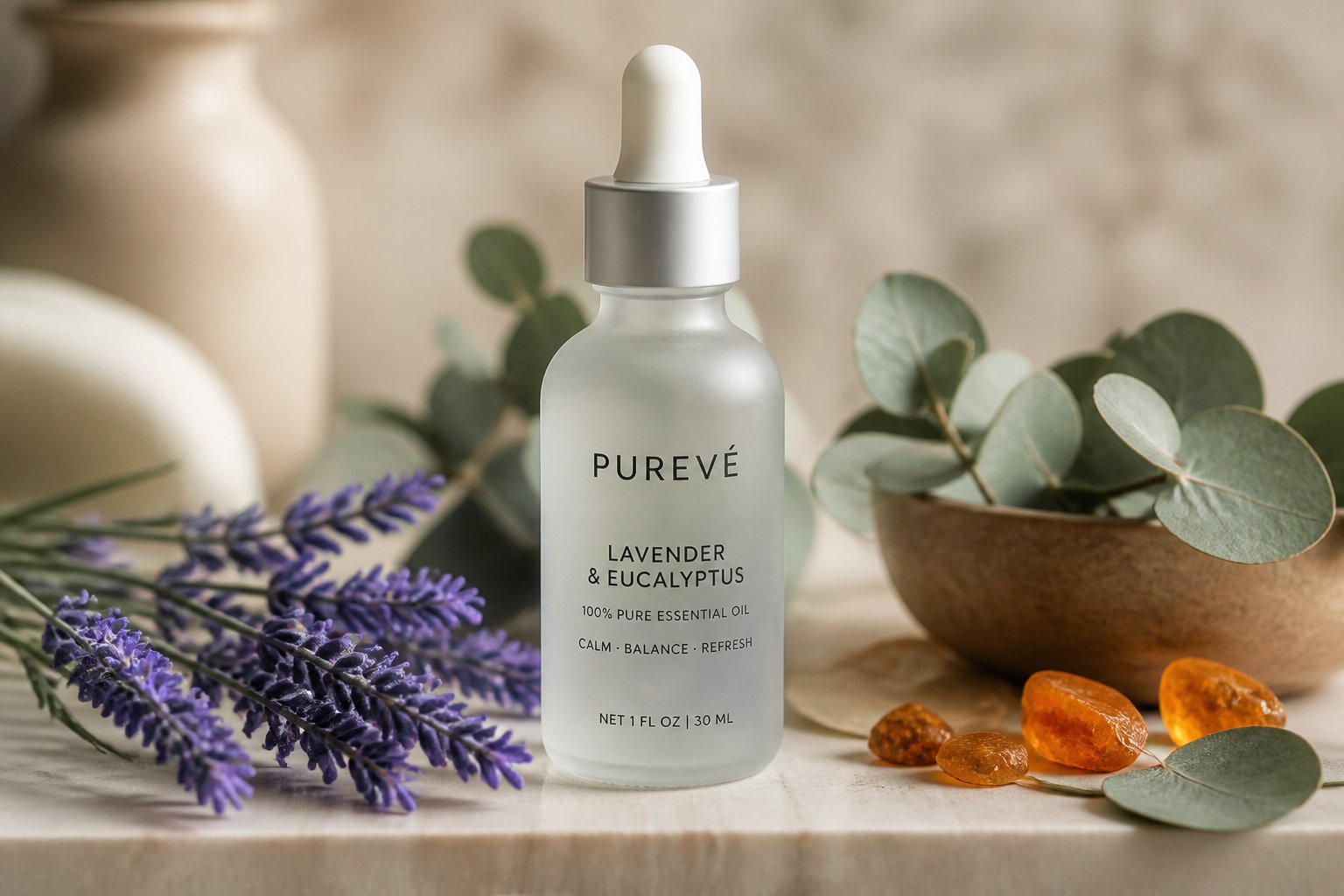
Your packaging choice directly affects product shelf life, brand perception, and customer satisfaction. New materials offer better UV protection while keeping compatibility with volatile compounds in mind.
Smart dispensing mechanisms reduce waste and improve dosing accuracy. Sustainable options now match or even exceed the performance of traditional packaging, and you don’t have to compromise on luxury.
The cosmetic packaging landscape has changed dramatically in recent years. Brands that pay attention to these innovations get a real edge in fragrance packaging and product development.
This guide breaks down what’s available, what actually works, and how to source packaging that aligns with your brand values and budget.
Key Takeaways
- Modern essential oil packaging uses advanced materials and dispensing systems that improve product protection and user experience beyond traditional amber bottles.
- Packaging innovation now balances sustainability with luxury aesthetics while meeting strict compatibility standards for volatile fragrance compounds.
- Strategic sourcing means understanding material science, supply chain standards, and anti-leak testing to ensure cosmetic packaging meets both regulatory and brand requirements.
Material Innovations for Photoprotection and Compatibility
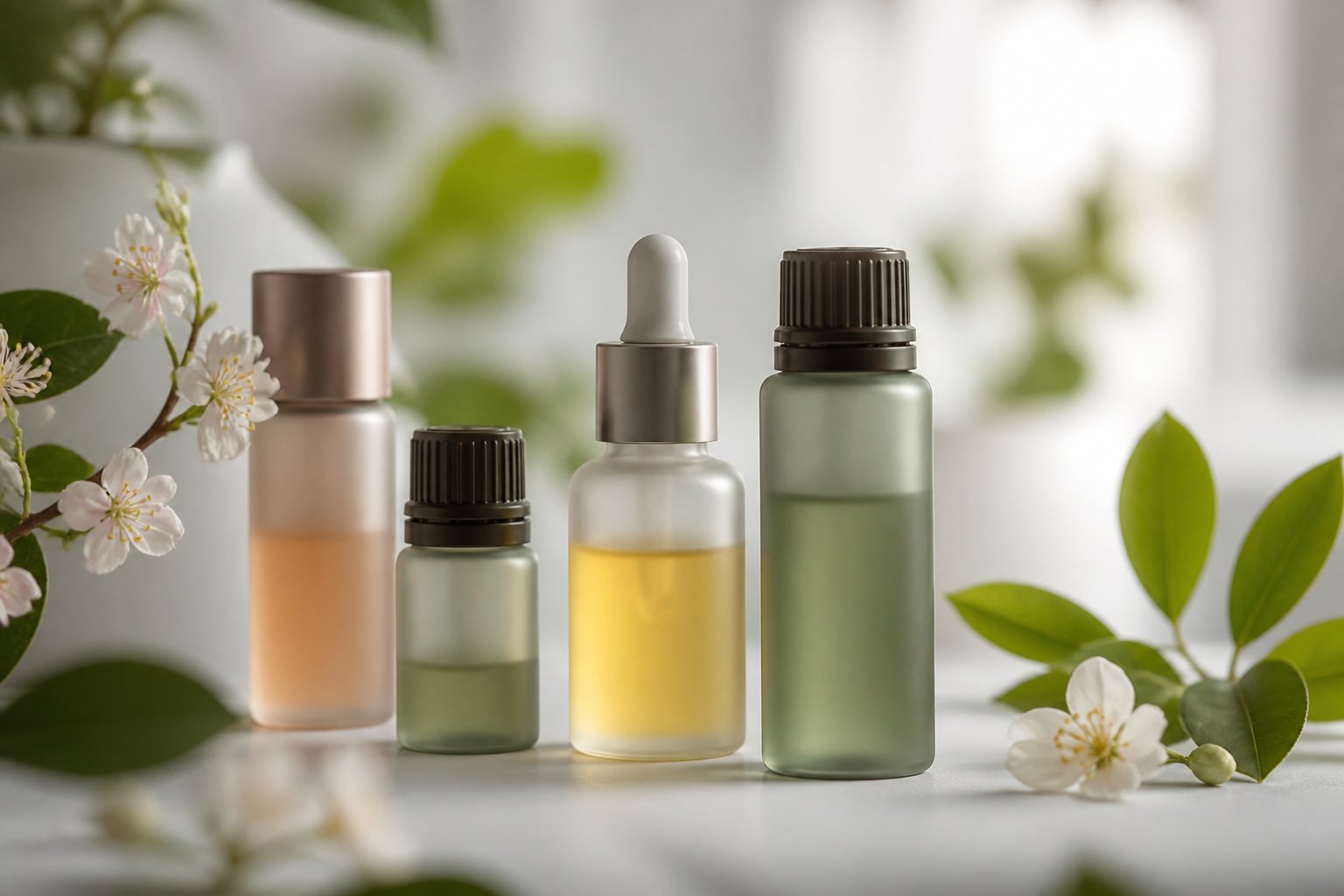
New packaging materials protect essential oils from light damage and keep them chemically stable. Advances in glass technology and recycled materials give brands better preservation options without compromising product quality.
Biophotonic / Miron Violet Glass
Miron violet glass blocks visible light except for violet wavelengths, while letting UV-A and infrared radiation pass through. This specific light filtration can extend the shelf life of essential oils by preventing the breakdown of sensitive compounds.
The dark violet color comes from adding minerals like cobalt and manganese to the glass. Studies suggest oils stored in Miron glass keep their molecular structure longer than those in amber or clear containers.
Biophotonic glass costs more than standard amber bottles—sometimes 40% to 100% more per unit. But the extra stability can make sense for high-end fragrance and wellness brands going after premium markets.
PCR Glass Integration
Post-consumer recycled (PCR) glass cuts down the environmental impact of essential oil packaging without sacrificing light protection. Manufacturers now make amber and violet glass with up to 70% recycled content.
The recycling process melts down used glass and reforms it with the same color pigments found in new glass. Your amber bottles made with PCR glass offer the same UV protection as traditional options.
PCR glass meets the same FDA and EU safety standards as virgin glass for cosmetic and aromatherapy products. You can use recycled materials in your packaging and still deliver the quality your customers expect.
Volatile Terpene Attacks
Essential oil terpenes can break down certain packaging materials over time. Limonene and pinene, for example, are especially tough on plastics and some rubber gasket materials.
Materials vulnerable to terpene damage:
- Standard polypropylene droppers
- Silicone rubber seals (low-grade)
- LDPE plastic components
- Latex-based gaskets
Choose closure materials with high chemical resistance. PTFE (Teflon) lined caps and high-density polyethylene resist terpene attacks better than standard options.
Glass droppers with phenolic caps offer the best long-term compatibility. It’s worth checking these details before you commit to a packaging line.
Bulb Compatibility Chemistry
Dropper bulbs need specific elastomer formulations to handle essential oil exposure. Natural rubber breaks down quickly when it contacts citrus oils and other terpene-heavy products.
Nitrile rubber bulbs resist essential oils much better than natural latex. The synthetic material stays flexible and doesn’t leach chemicals into your product during storage.
Test bulb compatibility with your specific oil blends before large production runs. A 30-day immersion test can reveal issues like swelling, hardening, or material breakdown.
Precision Dispensing and Ergonomic Design
Modern essential oil packaging combines precise product control with comfortable handling. New dispensing systems tackle annoyances like spills, oxidation, and awkward bottle shapes.
Acoustic and Air-Flow Orifice Reducers
Orifice reducers control how much oil flows from your bottle with each tilt. Standard plastic reducers can create inconsistent drops, but newer designs use precise air-flow channels to regulate pressure inside the bottle.
Acoustic orifice reducers make a subtle click when the perfect amount of oil dispenses. This audio cue helps you measure doses without staring at the bottle the whole time.
The sound happens when air enters through calculated vents at specific flow rates. These reducers usually dispense 0.025 to 0.05 milliliters per drop, compared to 0.10 milliliters from bottles without reducers.
You waste less product and get more accurate dilution ratios for topical use. Pretty practical, honestly.
Key benefits include:
- Consistent drop size across different oil viscosities
- Reduced oxidation from controlled air exchange
- Compatible with standard bottle neck sizes
Cooling Ceramic and Stainless Steel Rollerballs
Metal rollerballs offer temperature benefits that plastic versions just can’t match. Ceramic and stainless steel materials stay naturally cool against your skin, which helps with product absorption and feels soothing.
Stainless steel rollerballs resist corrosion from acidic essential oils like citrus blends. They don’t absorb pigments or fragrances, so you can refill the same bottle with different oils without cross-contamination.
The smooth surface distributes product evenly across your pulse points. Ceramic rollerballs provide similar durability but with added weight, which helps the ball glide across your skin with less pressure.
This makes application easier on your wrists, especially if you use oils daily. Both materials work well for zero-waste packaging since you can clean and reuse them over and over.
Many brands now sell concentrated refill pouches made for rollerball bottles. It’s a smart move for reducing waste.
Zero-Waste Pipette Droppers
Glass pipette droppers give you exact control over how many drops you use. Unlike flip caps or reducers, pipettes let you see the oil level and place drops exactly where you want them.
Modern pipette designs feature graduated markings along the tube. You can measure 0.25, 0.5, or 1 milliliter volumes without needing extra tools.
The rubber bulb compresses smoothly and springs back after thousands of uses. Ergonomic improvements now include wider bulbs that fit comfortably between your thumb and fingers.
Textured surfaces help prevent slipping, even if your hands are oily. Longer pipette tubes reach the bottom of deeper bottles, so you can use every drop.
These droppers fit standard bottle openings. You just remove the dropper assembly, clean both parts, and transfer them to your refill bottle—true zero-waste in action.
Integrated Push-and-Turn Closures
Push-and-turn closures combine child safety with single-handed operation. You press down on the cap and twist it counterclockwise, which releases internal locking teeth.
This two-step process keeps bottles from opening accidentally in bags or drawers. The mechanism sits flush with the bottle top, so it fits better in travel cases without snagging on things.
The closure keeps an airtight seal that protects volatile compounds from oxidizing. Quality push-and-turn systems use food-grade silicone gaskets, which don’t degrade when exposed to terpenes and other essential oil compounds.
Your packaging design stays functional longer, and you don’t have to replace worn-out parts as often. These closures usually add only 2-4 grams to bottle weight compared to standard screw caps.
They work with orifice reducers underneath the main closure, so you get both precision dispensing and secure storage in one package.
Eco-Luxe Aesthetics and Smart Packaging
Sustainable packaging now matches premium packaging standards thanks to advanced materials and digital features. Modern brands mix minimalist design with eco-friendly solutions that boost brand identity and support a circular economy.
Monomaterial Design Thinking
Monomaterial design sticks to a single material type throughout your packaging, making recycling much easier. This approach avoids mixed materials that mess up recycling streams and reduces waste in circular packaging systems.
Glass bottles with glass stoppers or aluminum caps with aluminum components separate easily at recycling facilities. Customers notice these thoughtful choices, and your brand perception improves.
Metal-on-metal closures and glass-on-glass designs keep that premium feel without sacrificing sustainability.
Common monomaterial combinations:
- All-glass systems (bottle, dropper, cap)
- Aluminum containers with aluminum closures
- Single-polymer solutions for secondary packaging
These designs work well for refillable systems since durable monomaterials withstand multiple uses. Your packaging stays strong through many refill cycles and is fully recyclable at the end of its life.
Organic Water-Based Coatings
Water-based coatings replace solvent-heavy finishes on your essential oil packaging. These coatings offer the same protective and aesthetic qualities as traditional options, minus the harmful chemicals.
You can get matte, satin, or gloss finishes using plant-derived binders and natural pigments. The coatings bond to glass, aluminum, and paper surfaces and don’t mess with recycling processes.
Your brand identity stays sharp with vibrant colors and smooth textures. Water-based formulas dry quickly during production and resist scratches and moisture during shipping and retail display.
Laser Etching and Embossing
Laser etching skips paper labels and plastic stickers on reusable containers. It engraves text, logos, and designs right onto glass or metal with impressive precision.
The result? Permanent markings that don’t fade or peel. Minimalist packaging gets a boost of sophistication with these subtle, direct surface treatments.
Embossing adds a tactile feel to aluminum and heavier glass bottles—no adhesives or extra materials needed.
These techniques support refillable packaging because the branding stays sharp across multiple uses. Customers are more likely to keep and refill bottles when the etched designs still look good.
You’ll also cut production costs over time by skipping label printing and application steps.
QR and NFC Glass Integration
Smart packaging features like QR codes and NFC chips turn your essential oil bottles into digital touchpoints. You can laser-etch QR codes onto glass or tuck NFC tags into caps and closures.
Customers just scan a code to get product info, usage guides, or ingredient sourcing details. That’s a fast way to boost engagement and build trust with transparency.
Your refill systems get smarter when those codes link to refill station finders or subscription services.
Smart packaging capabilities:
- Authentication verification
- Batch and expiration tracking
- AR packaging experiences showing application techniques
- Direct reorder links
NFC technology lets customers tap with their smartphones for instant connections. You can update digital content anytime without changing the physical packaging, which stretches the life of your reusable bottles.
These features help circular economy efforts by connecting customers to take-back programs or disposal info.
Supply Chain Standards and Anti-Leak Sourcing
Quality control testing and flexible manufacturing decide if your essential oil packaging performs from production to end use. Modern suppliers run strict testing protocols and give you customization options—no need for pricey tooling up front.
Negative Pressure Vacuum Leakage Test
This test puts filled bottles under reduced pressure to spot microscopic seal failures. Suppliers submerge sealed containers in water inside a vacuum chamber, usually at 27 kPa for 2 minutes.
Bubbles escaping from the closure or seams mean leaks, which could let volatile oils evaporate or oxidize. The test catches defects in thread alignment, liner compression, and glass-to-closure fits before products land in your warehouse.
Pass/fail criteria usually include:
- No visible air bubbles during the test
- No weight loss over 0.5% after pressure returns to normal
- Seal integrity holds up across batch samples
Manufacturers that follow environmental rules often run this test on every batch. Always ask for certificates of conformance with batch-specific results, not just vague quality promises.
Thermal Shock and Drop Resistance
Temperature cycling checks if closures stay sealed as bottles move between climate-controlled rooms, hot trucks, or cold storage. Standard tests swing packages from -10°C to 50°C in 4-hour cycles.
Your packaging should survive at least five cycles without liner breakdown or thread stretching. Glass stress shows up under polarized light after thermal cycling.
Drop testing simulates shipping and fulfillment accidents. Packages get dropped from 1 meter onto concrete at different angles—upright, upside down, and corners.
Top suppliers test bottles at filled weight, not empty. You need packaging that prevents both glass breakage and closure separation when dropped.
Torque and Removal Force Testing
Proper torque during capping keeps seals tight without damaging threads or crushing liners. Most dropper caps need 8-12 inch-pounds, while phenolic caps want 12-18 inch-pounds.
If you under-torque, you risk leaks in transit. Over-torque and you might crush liners or crack bottle threads.
Capping equipment should monitor torque and automatically reject out-of-spec bottles. Removal force testing checks how much effort customers need to open bottles—usually 4-10 inch-pounds for droppers.
Child-resistant closures have to hit specific opening forces to meet safety standards but still be usable for adults. Make sure your supplier tests both application and removal forces for every batch.
Modular Tooling and Stock Mold Customization
Stock molds let you pick custom glass colors, weights, and finishes without shelling out $15,000-40,000 for custom tooling. Choose from standard bottle shapes (5ml, 10ml, 15ml, 30ml) and tweak details like frosting or tinting.
Lead times can drop from 12-16 weeks to just 4-6 weeks compared to custom molds. Minimum order quantities are way lower—sometimes just 5,000 units instead of 50,000.
Stock mold customizations include:
- Glass color: Amber, cobalt blue, green, clear, or custom tints
- Surface treatment: Frosting, coating, or texturing
- Weight adjustment: Thicker bases or walls for a premium feel
- Closure matching: Coordinated colors and materials
This approach gives your brand a unique look without the risk of expensive tooling. You can test market reactions with smaller runs before committing to big orders.
Summary and Strategic Buyer’s Blueprint
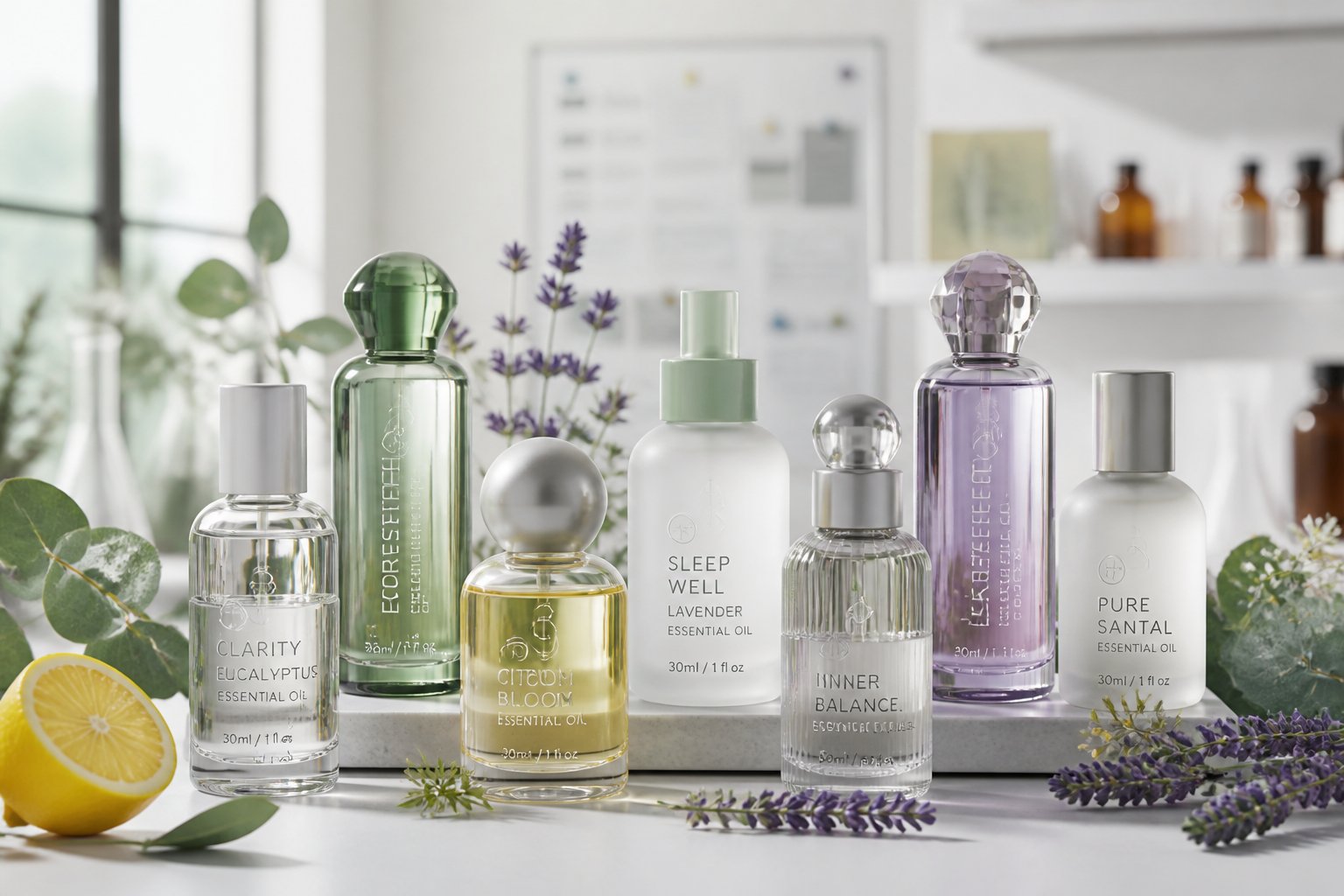
Choosing next-gen essential oil packaging means weighing immediate function against long-term brand goals. You’ll need to balance material innovation, regulatory compliance, and what customers actually think.
The Future-Proof Decision Matrix
When you’re looking at packaging, four things really matter. First, match material durability to your oils—citrus oils need different barriers than resinous ones.
Second, check sustainability claims with third-party certifications. Don’t just trust marketing blurbs.
Third, think about scalability. What works for 500 units might jam up at 5,000. Always ask for MOQs, lead times, and tier pricing from potential suppliers.
Fourth, try to see the unboxing experience through your customer’s eyes. Luxury brands need different tactile touches than clinical lines. Test real prototypes with real customers before you go big.
Don’t forget to tally up total cost of ownership. That means storage, breakage, and disposal—not just the sticker price.
Actionable Quality Checklist
Material Verification
- Ask for certificates of analysis for every packaging component
- Check FDA compliance for direct product contact
- Make sure UV protection ratings clear 90% for light-sensitive oils
Functional Testing
Run leak tests at all temperatures your products might see during shipping and storage. Drop test samples from waist height onto concrete to mimic real handling.
Supplier Credentials
Make sure your manufacturer keeps up ISO certifications and has actual quality control procedures. Ask for references from brands in your space. Check their capacity against your growth plans for the next two years.
Brand Alignment
Your packaging should show your brand values at a glance. Compare your picks to competitor packaging and look for ways to stand out.
Frequently Asked Questions
Essential oil packaging isn’t just about looks—it’s about protection, safety, and how your brand comes across. These FAQs tackle the technical and practical sides of picking containers that keep your products top-notch and meet what today’s buyers want.
What packaging materials best protect essential oils from light, oxygen, and heat without compromising aesthetics?
Violet glass blocks harmful visible light while letting through helpful UV and infrared. That helps preserve essential oils better than regular amber glass. Pair violet glass with aluminum caps that have oxygen barriers to stop oxidation.
Frosted or powder-coated glass gives UV protection and a modern look. The coating keeps light out without the old-school amber vibe. You get both product integrity and contemporary style.
Double-wall glass bottles with vacuum insulation shield against temperature swings. Oils stay stable, and you get room for branding on the outer layer.
Ceramic bottles with food-safe glazing block all light. You get total protection from photodegradation and a unique feel. The weight and opacity scream premium.
Are cobalt blue, amber, or opaque bottles better for preserving essential oil potency and shelf life?
Amber bottles block about 90% of UV light from 10-400 nanometers. That’s solid protection for most oils if you store them right. Research on scalp care packaging shows amber glass is still the go-to for sensitive botanicals.
Cobalt blue glass blocks about 80% of UV. Your oils are pretty well protected, and the blue tint stands out on shelves.
Opaque bottles stop nearly 100% of light. You cut out photodegradation risks, no matter how you store them. Black, white, or colored opaque glass works best for really sensitive oils like citrus.
Bottom line: It depends on your oil. Citrus oxidizes fast and does best in opaque packaging. Floral and woody oils are fine in amber or cobalt if you keep them out of direct sun.
How do airless pumps, droppers, and rollerballs compare for dosing accuracy, hygiene, and leak resistance?
Airless pumps stop oxygen exposure every time you use them. No contamination risk since the oil never touches air until you dispense it. Pumps give consistent doses (0.1ml to 0.3ml per press), but they cost more.
Glass droppers with rubber bulbs let you control drops precisely for blending or dilution. But each use pulls air back into the bottle, which can shorten shelf life.
Rollerballs are easy and mess-free for direct skin application. Customers love the convenience, but the ball can trap bacteria if not cleaned well, and dosing accuracy depends on roller size and oil thickness.
Tamper-evident droppers with built-in caps strike a balance. You get precision and safety. Orifice reducers control flow so customers don’t have to touch the oil.
What child-resistant and tamper-evident packaging features are most important for essential oil safety and compliance?
Push-and-turn caps meet Consumer Product Safety Commission requirements for child resistance. Kids under five can’t open them, but adults usually have no trouble.
These caps only pass if less than 15% of children manage to open them in five minutes. That’s a pretty solid safety benchmark, honestly.
Tamper-evident bands or shrink seals tell customers if a bottle’s been opened before they buy it. People trust products more when they can see proof that nothing’s been messed with.
Clear bands are better than colored ones because you can still see the label. No point in hiding your branding, right?
Flow restrictors or orifice reducers limit spills even if a child gets the cap off. That’s an extra layer of protection you probably want.
These inserts slow the oil to a drop at a time instead of letting it pour out. It’s a small detail, but it matters.
Combination packaging with outer boxes adds another hurdle. You can stick warning labels and instructions on the outside, keeping the bottle itself looking clean and simple.
This setup meets regulations and still looks good on the shelf. Not a bad trade-off.
Which sustainable packaging options (refillable, recycled, or bio-based) perform well with essential oils over time?
Refillable glass systems with sturdy outer containers and swap-in cartridges can cut waste by up to 70%. You design one nice-looking bottle for keeps, then sell refills in minimal packaging.
The glass needs to handle repeated washing and refilling without the seals wearing out. If it can’t, the whole system falls apart.
Post-consumer recycled (PCR) glass works just as well as new glass for storing essential oils. You lower your environmental impact without giving up any protection.
PCR glass still blocks UV rays when you use amber or cobalt colors. That’s pretty important for keeping oils fresh.
Bio-based plastics made from stuff like sugarcane or corn don’t really hold up with pure essential oils. The oils tend to break down these plant-based plastics after a while.
You could end up with leaching, breakdown, or contamination with current bio-plastic options. That’s not a risk most brands want to take.
Aluminum bottles with food-grade lacquer coatings are another option. They’re lightweight, endlessly recyclable, and protect against light and oxygen.
Just make sure the interior coating actually works with your specific oil blends. Sometimes, weird reactions happen if you don’t test first.
How can modern fragrance and wellness brands design essential oil packaging that improves unboxing, branding, and customer trust?
Layered unboxing experiences—think outer sleeves, protective inserts, and info cards—can really make a first impression stick. You get to guide customers through proper usage and reinforce your brand’s values all at once.
Share storage tips and safety info as part of the reveal, not squished onto a tiny label. People appreciate the extra care, and honestly, it just feels more thoughtful.
Custom embossing or debossing on glass bottles adds a tactile sense of luxury. Forget printed labels for a second—touch and visual depth can do a lot to say “premium.”
This approach especially suits minimalist brands that want the product itself to shine. Sometimes, less really is more.
QR codes that link to batch-specific testing certificates are a game changer for transparency. Customers can check purity, sourcing, and test results for their exact bottle, not just some generic info.
That digital connection turns packaging into something more—part authentication, part education. It’s a small detail, but it builds trust in a big way.
Keeping a consistent design system across your product line helps people navigate your range. Color coding, different shapes, or unique cap styles make blends easy to spot and keep everything feeling cohesive.
Clear labeling with both common and botanical names keeps things straightforward. It’s a simple move, but it prevents confusion and shows you know your stuff.