How to Store Cannabis: The Science Behind Choosing the Perfect Jar
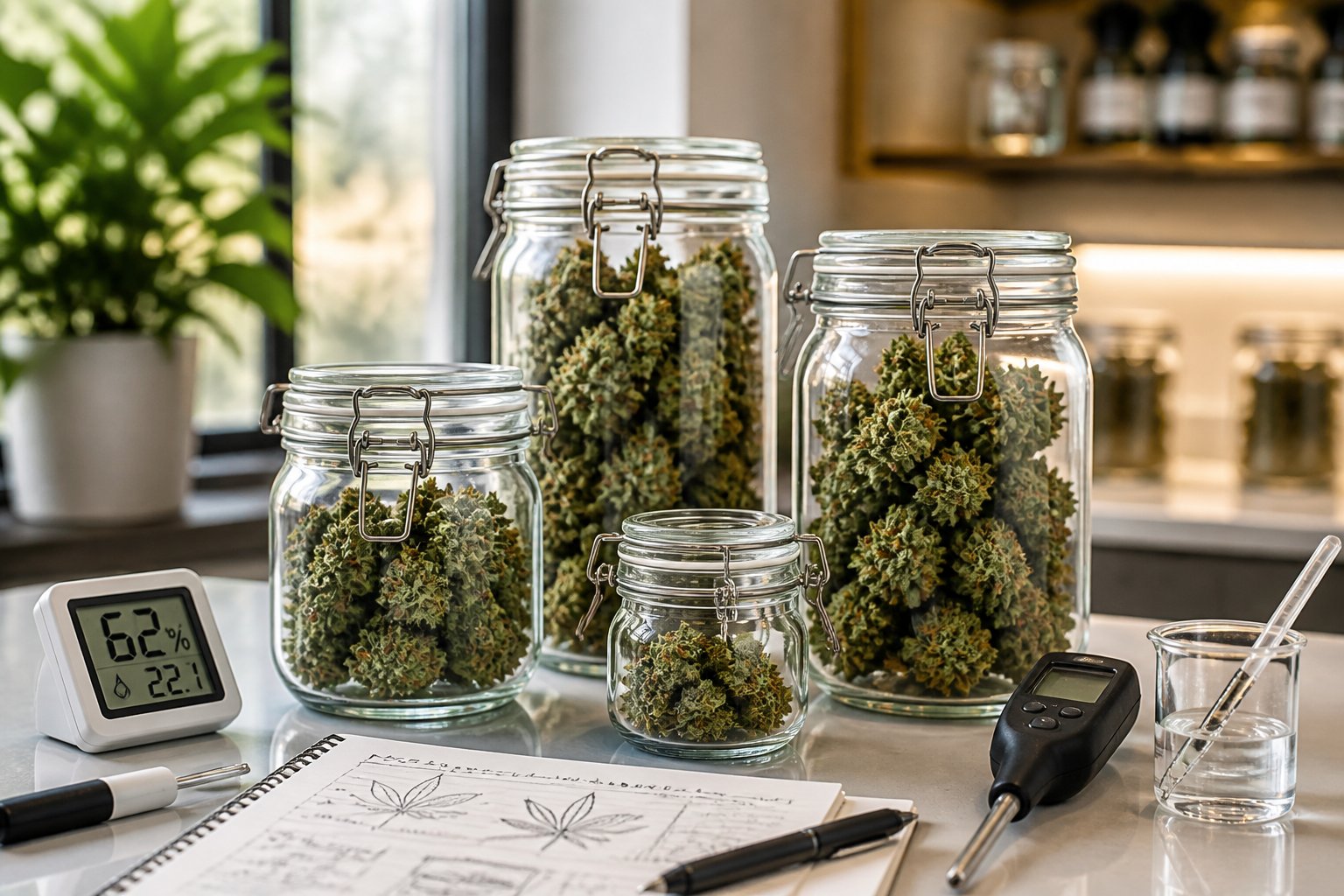
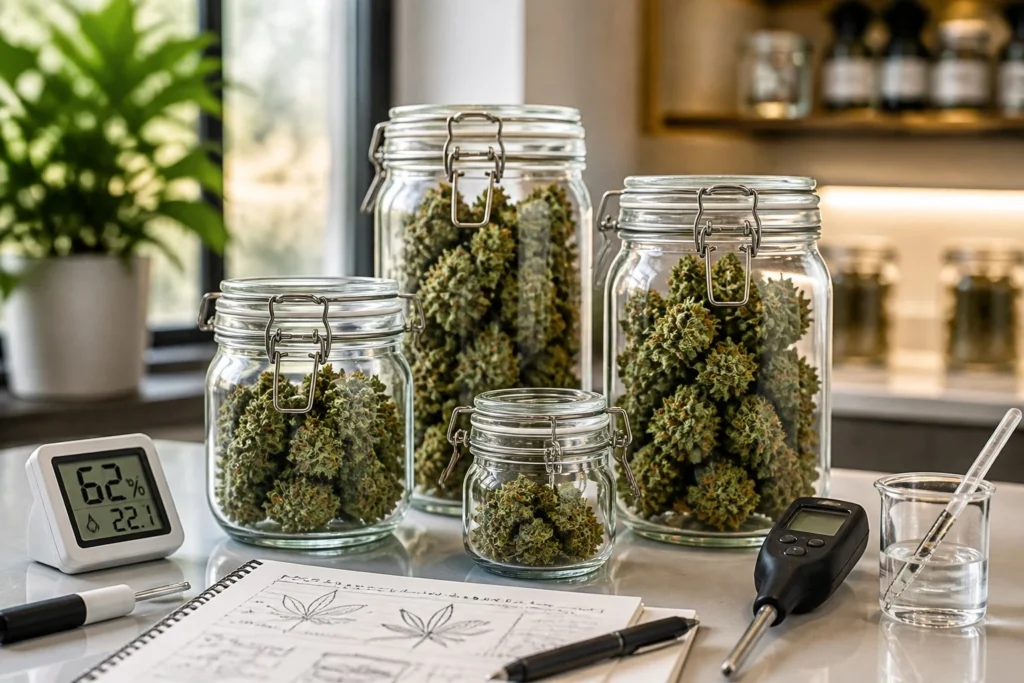
Glass jars are the gold standard for cannabis storage. UV-resistant or amber glass gives you the best shot at preserving terpenes and cannabinoids. Clear glass is fine too, but only if you stash it somewhere dark.
Four environmental factors destroy your cannabis: light, oxygen, humidity swings, and temperature changes. Each one chips away at quality in its own annoying way.
Proper cannabis storage means wrangling all four at once.
The ideal humidity range is 58% to 62% relative humidity. That sweet spot keeps mold at bay and your buds from turning into dry twigs. Go above 65% and mold becomes a real threat.
Let it drop below 55% and your trichomes get brittle fast.
Air-tight seals are non-negotiable. Hunt for jars with rubber or silicone gaskets that actually seal tight. That keeps the smell in and stops oxygen from turning THC into sleepy-time CBN.
Jar size matters for freshness. Match your container size to your stash size. Too much empty space just means more air, and more air means faster loss of quality.
| Feature | Why It Matters |
|---|---|
| UV protection | Blocks light that breaks down cannabinoids |
| Airtight seal | Prevents oxidation and odor escape |
| Proper size | Minimizes air exposure inside jar |
| Dark storage location | Adds extra light protection |
Temperature control protects terpenes. Keep your jars in a cool, dark spot. Warm rooms make those flavorful compounds evaporate, while freezers just make trichomes snap off.
Never mix strains in one jar. Each strain’s terpenes are unique and will muddle together if you store them all in the same place.
The Science: The 4 Enemies of Cannabis Freshness
Cannabis loses its potency, aroma, and texture when it gets hit by oxygen, light, humidity swings, and temperature changes. Knowing what you’re up against helps you pick the right jar and storage method to keep those buds fresh for months.
Air & Oxygen: How Oxidation Degrades THC into CBN and Turns Vibrant Buds Dry
Oxygen breaks down cannabinoids through oxidation. When THC meets air for long enough, it turns into CBN—a cannabinoid that’s way sleepier and less potent.
This not only drops potency, but it also changes the whole experience. Oxidation dries out your buds fast.
Moisture inside the flower evaporates when air moves around it. Dry cannabis crumbles, smokes harsh, and loses its flavor as terpenes vanish.
Why airtight seals matter: A real seal with a rubber or silicone gasket blocks fresh oxygen from sneaking in. Less oxygen means slower THC loss and better overall quality. You’ll keep buds soft, sticky, and potent instead of ending up with brown dust.
Light & UV Rays: Why UV Light Breaks Down Active Compounds Faster Than Anything Else
Light is brutal on cannabis. UV rays have the energy to snap chemical bonds in THC, CBD, and terpenes.
Research shows that just a few weeks of light exposure can zap potency in clear containers. UV protection matters a lot for long-term storage.
Amber glass and dark violet jars filter out those harmful rays and still let you peek at your stash. Clear glass offers no light protection, so stash those in a closet or drawer.
Direct sunlight is the real enemy. Even regular room light can slowly ruin your cannabis. If you want to keep your flower strong and tasty, use an opaque or UV-blocking jar in a dark spot.
Humidity Fluctuations: The Danger Zone—Mold Growth Above 65% RH vs. Brittle Trichomes Below 55% RH
Humidity makes or breaks your cannabis. The safe range is between 58% and 62% RH.
Go above 65% and you’re practically inviting mold. Mold spreads fast in damp buds and can ruin everything.
Drop below 55% RH and trichomes get brittle. Those little resin glands hold most of the good stuff—cannabinoids and terpenes. When they dry out, they snap off and collect as dust at the bottom of your jar.
Mold risk jumps with poor airflow. Tightly packed buds in a humid jar trap moisture and let fungus thrive. Two-way humidity packs help a ton by keeping RH steady. They soak up extra moisture and release it when things get too dry, keeping your buds in the safe zone.
Temperature Swings: Why Warm Environments Evaporate Terpenes and Cold Fridges Break Fragile Trichomes
Temperature swings are rough on cannabis. Heat speeds up terpene loss because those aromatic compounds evaporate in warm spots.
When your jar sits near a heater, electronics, or in sunlight, terpenes just disappear. You’re left with bland, odorless buds.
Cold storage isn’t any better. Freezers and fridges make trichomes brittle, so every time you open the jar or touch the buds, those resin glands break off. Aim for a cool-but-not-cold spot—about 60°F to 70°F is your best bet.
Temperature control keeps cannabinoids from breaking down. Stick your jars in a cabinet or closet where temps stay steady. Avoid spots with big temperature swings, like garages or windowsills. Stable, cool storage keeps both potency and aroma locked in for six to twelve months.
Material Comparison: Which Cannabis Jar Material Wins?
Jar material makes a real difference in how fresh your cannabis stays. UV-protected glass is the best for blocking light damage, but clear glass works if you’re careful. Stainless steel is tough and travel-friendly. Plastic? Use it only if you have no other choice.
Comparison Table
| Material | Preservation Quality | Smell-Proof Rating | UV Protection | Best For |
|---|---|---|---|---|
| UV Glass (Amber/Cobalt) | Excellent | 5/5 | Full UV blocking | Long-term storage (6-12 months) |
| Clear Mason Glass | Very Good | 5/5 | None | Budget storage in dark spaces |
| Stainless Steel | Good | 5/5 | Complete opacity | Travel and outdoor use |
| Plastic/Mylar | Poor | 2/5 | Minimal | Emergency use only (1-7 days) |
UV & Amber Glass Jars: The Ultimate Champion for Long-Term Storage and Trichome Preservation
Amber and cobalt blue glass block about 99% of those nasty UV rays that break down THC and terpenes. These uv-resistant containers do a better job than anything else at protecting your stash from light damage.
The dark tint is basically a built-in shield, so you don’t have to hide your jars in a closet. Glass jars won’t absorb odors or leach chemicals into your flower.
The glass surface keeps flavors pure and avoids contamination. Pair them with airtight silicone seals and uv-protected glass becomes a serious barrier to oxidation.
You’ll pay more up front for good amber glass jars, but it’s worth it. Protecting your strains from losing potency over months makes it the smartest choice for anyone who actually cares about quality.
Clear Glass / Mason Jars: Great Seal and Budget-Friendly, but Requires Dark Closet Storage
Mason jars give you a solid airtight seal for way less than fancy cannabis jars. The rubber gasket and metal screw band keep smells in and air out. You can grab them at any grocery store in a bunch of sizes.
The catch? Light exposure. Clear glass jars block zero UV, so you have to keep them somewhere dark. Leave them out in the open and you’ll lose potency fast.
Still, if you’re willing to stash them in a cabinet or drawer, these jars work just fine for cannabis storage. Toss in a humidity pack and your clear glass jar can almost match those pricey tinted ones.
Stainless Steel Containers: Highly Durable, Opaque, and Travel-Ready
Stainless steel blocks all light, period. These storage containers won’t break if you drop them, which makes them great for travel, camping, or just tossing in a backpack.
Some people worry about metal messing with flavor, but good food-grade stainless steel won’t transfer tastes or smells if it’s sealed right. Look for thick silicone gaskets to make sure you get a real airtight close.
The downside? You can’t see inside, so you have to open the container to check your stash. That means a little extra air exposure each time. Steel also costs more than basic glass, but preservation is about the same as amber glass—as long as you keep it out of direct light.
Plastic Jars & Baggies: Why Static Electricity Steals Trichomes (Short-Term Storage Only)
Plastic creates static electricity that pulls trichomes off your flower and sticks them to the container walls. Those sparkly trichomes are where the THC and terpenes live—the main stuff you paid for.
Every time you move or shake a plastic bag, you lose a little potency to static cling. Most plastic storage methods also aren’t truly airtight, so air sneaks in over time and oxidizes your cannabinoids.
Cheap plastic absorbs odors and can leach chemicals into your cannabis if you leave it too long. Only use plastic or mylar bags when you need to transport cannabis for a few days at most.
For proper storage in an airtight jar kept in a dark place, switch to glass or metal right after you buy. The trichome loss from static makes plastic a pretty lousy choice if you care about quality.
Cannabis Jar Sizing & Capacity Chart
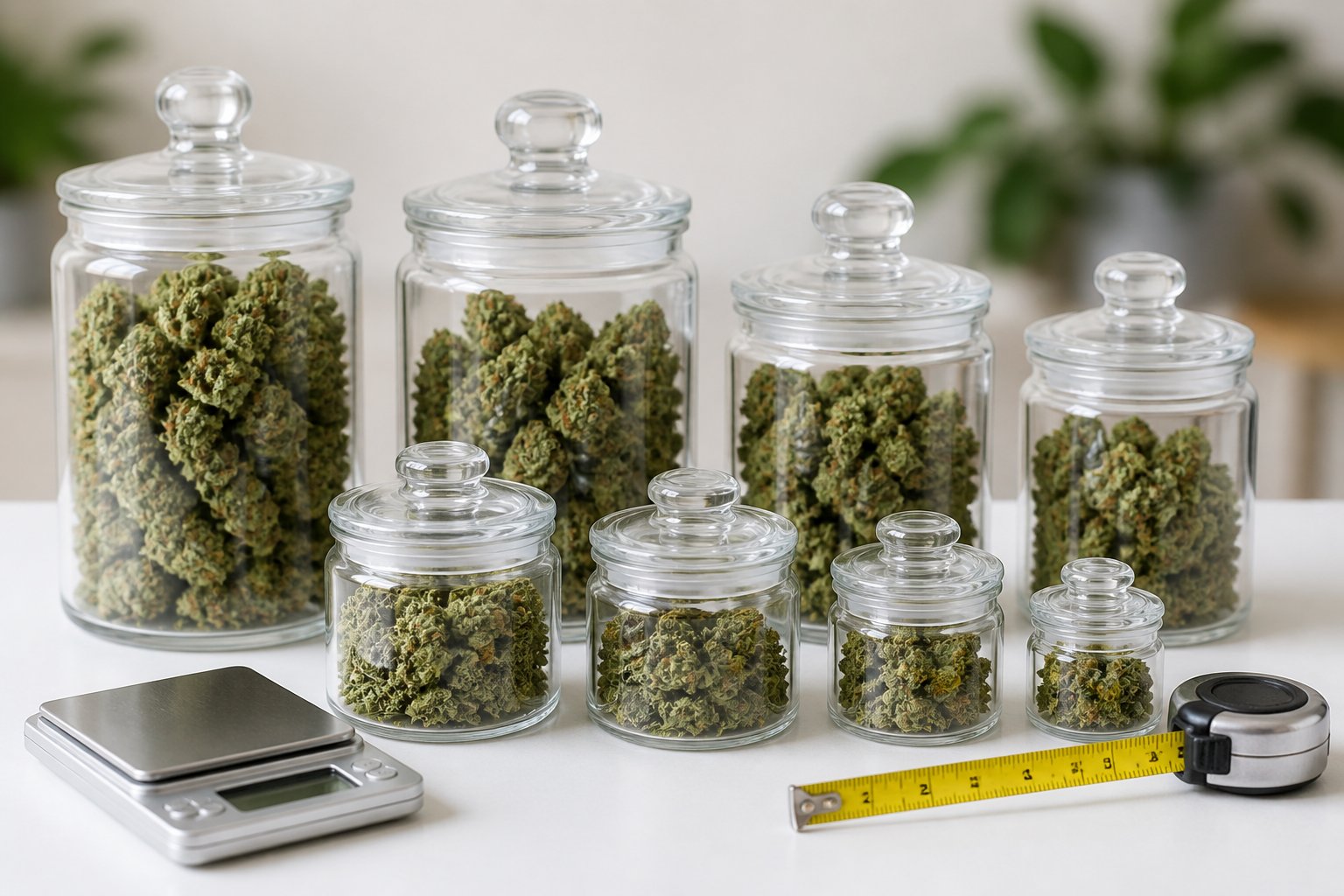
Matching your jar size to your actual cannabis amount keeps flower fresher longer. If your jar is way too big, all that empty space lets your stash degrade faster.
Understanding Jar Capacity vs. Weight
Cannabis flower is surprisingly fluffy compared to its weight. A single gram of well-cured bud can fill more space than you’d think.
Most glass jars list their size in fluid ounces, not weight. An 8 oz jar means liquid volume, not cannabis weight. That same 8 oz jar usually holds about 14 grams (half an ounce) of flower comfortably.
Density changes by strain and how it’s cured. Fluffy sativas take up more room than dense indica nugs.
Always choose your jar based on how much space your cannabis actually fills, not just the weight on your scale.
Quick Reference Capacity Guide
| Jar Size (Fluid Oz) | Cannabis Weight | Common Names |
|---|---|---|
| 2 oz | ~3.5g | Eighth |
| 4 oz | ~7g | Quarter |
| 8 oz | ~14g | Half ounce |
| 16 oz | ~28g | Ounce / Zip |
| 32 oz | ~56g | Two ounces |
This chart assumes medium-density flower with a typical cure. If your buds are super fluffy or really compressed, size up or down a jar.
A 4 oz jar is ideal for a quarter ounce with hardly any extra air. An eighth fits nicely in a 2 oz container without getting crushed.
The Rule of Headspace: Why Leaving Too Much Air Inside a Large Jar Degrades Small Amounts of Herb
Oxygen inside your jar breaks down cannabinoids and terpenes through oxidation. The more empty space above your cannabis, the more oxygen can reach your flower.
Storing 3.5 grams in a 16 oz jar leaves about 85% of the container as air. This extra oxygen converts THC to CBN over time and evaporates those tasty terpenes that give your strain its unique smell and effects.
Aim for 70-80% of the jar filled with flower. A little headspace is fine for airflow during burping, but too much ruins your stash.
If you’re working through a big jar, move the leftover flower to smaller jars as you go. Those last few grams deserve some love too.
Key Features to Look for Before Buying
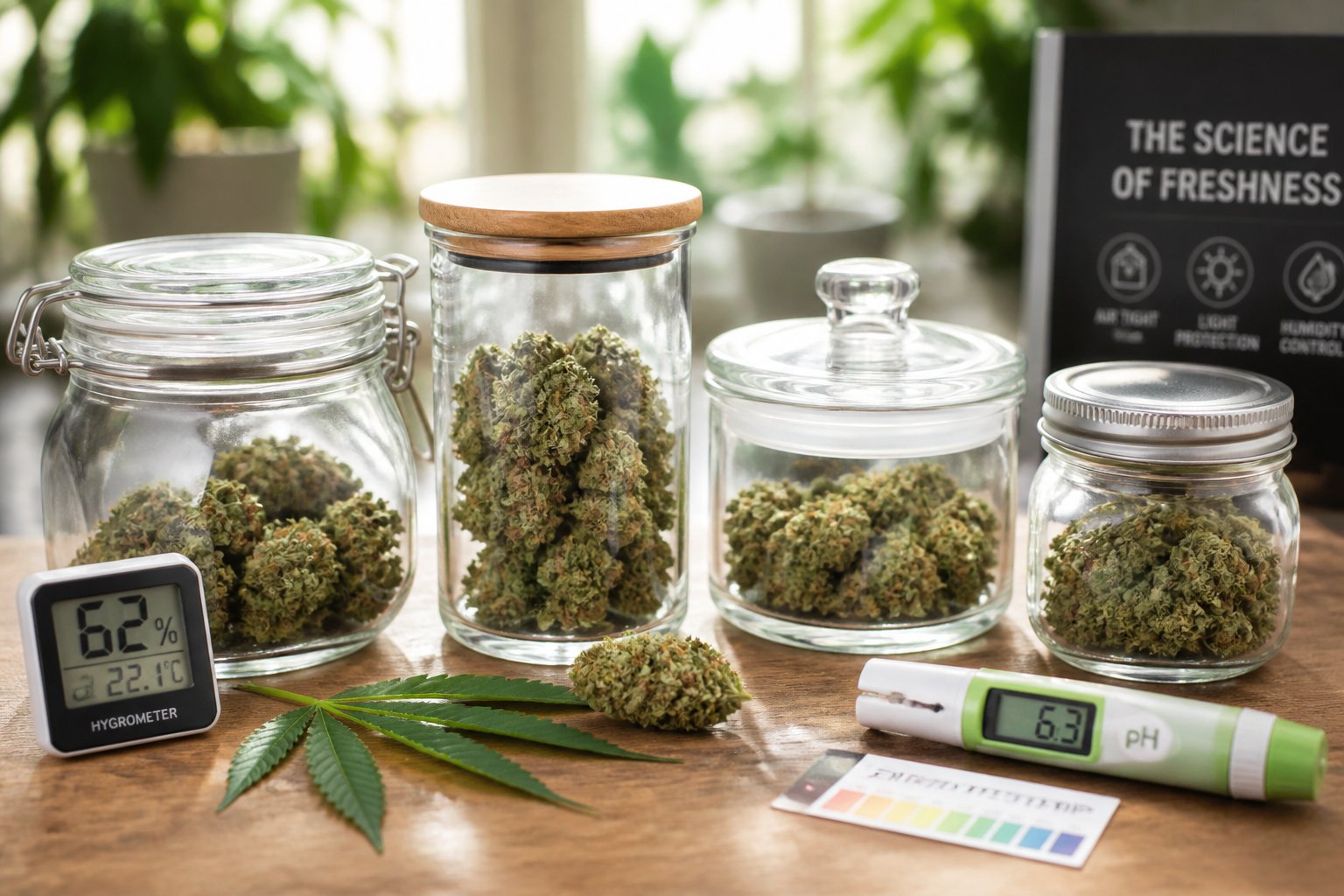
A good cannabis jar should block light, seal out air, and meet safety standards. The top three things to look for are an airtight rubber or silicone gasket, a child-resistant locking lid, and an opaque or UV-blocking finish.
Airtight Silicone/Rubber Seals: Ensuring True Smell-Proof Capability
An airtight seal matters more than anything else. Without it, oxygen slowly turns THC into CBN and evaporates the terpenes that make your flower special.
Look for jars with thick silicone or rubber gaskets. These create a tight barrier between the lid and the glass. Cheap jars often use flimsy plastic inserts that wear out and stop sealing well.
What makes a jar truly smell-proof:
- A gasket running the full circumference of the lid
- Latch-style or screw-top mechanisms that apply even pressure
- Food-grade silicone or similar materials that don’t wear out quickly
Test the seal by closing the jar and pressing gently on the lid. You should feel a bit of resistance from the trapped air inside. Airtight glass jars with proper gaskets keep your flower fresh for months by locking out air and moisture.
Child-Resistant (CR) Lids: Compliance, Safety, and Peace of Mind at Home
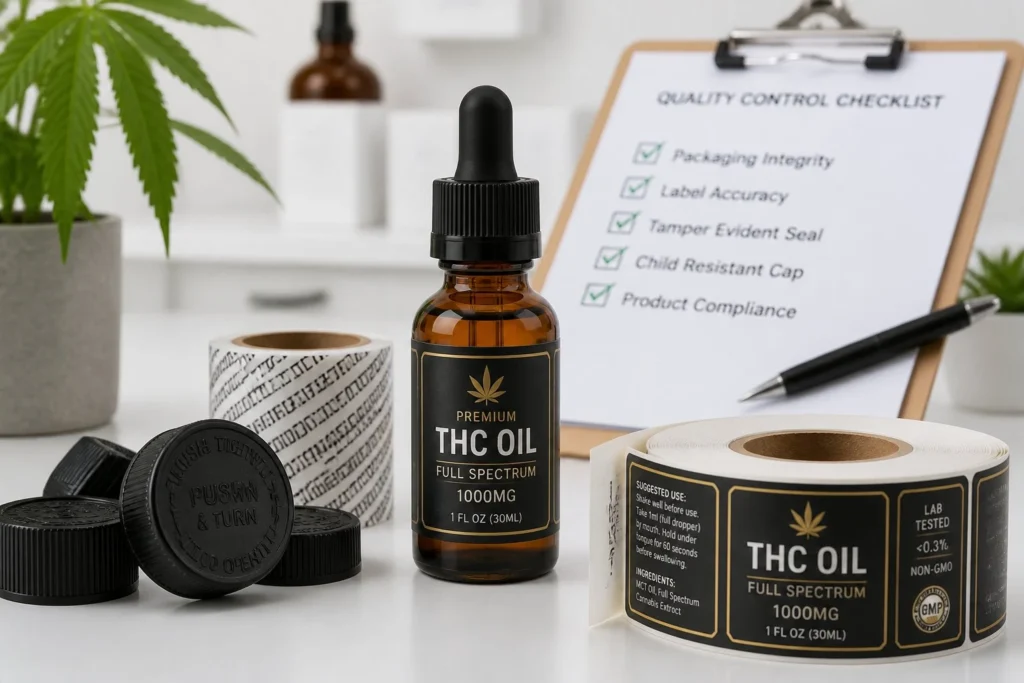
Child-resistant packaging keeps kids safe and helps you stay legal. Many places require cannabis to be stored in CR-certified containers, especially if you have kids around.
CR lids use push-and-turn or squeeze-and-lift designs. These need coordination and strength that most little kids just don’t have. The best jars meet ASTM D3475 or ISO 8317 standards for child resistance.
Benefits beyond legal compliance:
- Stops curious kids from getting into your stash
- Adds extra security when traveling
- Often comes with tamper-evident seals for more peace of mind
You can get child-resistant packaging that still seals tight and is easy for adults to open. Some jars have reversible lids so you can switch between CR mode and regular access, depending on who’s at home.
Opaque or Dark Tinted Finish: Built-in Light Blockage
UV light is brutal on cannabinoids and terpenes. Direct sunlight can knock THC down by up to 30% in just a few months. An opaque or dark-tinted jar blocks these rays before they reach your flower.
Amber (brown) and cobalt (dark blue) glass filter out most UV light. True UV glass—sometimes called violet or Miron glass—blocks almost all light except a narrow band of violet and infrared. Black or matte-finish jars give you total darkness inside.
Clear glass works fine if you keep your jar in a dark cabinet or drawer. But if you like to leave your jar on a shelf or counter, go with something dark. The more light you block, the better your buds will taste and smell down the line.
Pro Tip: Combining Your Jar with Humidity Packs
Adding humidity packs to your cannabis jar keeps your buds at the perfect moisture and stops them from drying out or getting soggy. These packs work with your airtight jar to maintain a stable environment that protects terpenes and cannabinoids.
How 2-Way Humidity Control Works: Maintaining the Golden 58%–62% RH Range
Humidity control packs use a two-way system that adds or removes moisture as needed. When humidity drops below 58%, the pack releases moisture. When it goes above 62%, the pack absorbs extra water vapor.
This keeps your cannabis in the sweet spot. Below 55% RH, your buds get brittle and trichomes fall off. Above 65% RH, mold can show up and ruin everything.
The packs have a salt solution sealed in a breathable membrane. This solution reacts to humidity changes and balances moisture without making your buds wet or sticky.
Drop a small hygrometer in your jar to keep an eye on humidity. These cheap little devices show the exact RH level so you know your humidity packs are doing their job.
How to Pair Humidity Packs with Jar Sizes: Matching Gram Size to the Container Volume
Humidity packs come in different gram sizes, and you want to match them to your jar. A 4-gram pack is good for jars holding up to 1/2 ounce (14g) of cannabis. An 8-gram pack works for jars with 1/2 to 1 ounce (14-28g).
For big containers with multiple ounces, use a 67-gram pack. If the pack’s too small, it can’t control humidity in a big jar. If it’s too large in a tiny jar, you’ll waste money but it won’t hurt your buds.
Swap out your humidity packs every 2 to 4 months, depending on how often you open your jar. When the pack feels hard or crunchy instead of soft, it’s done.
Just toss the pack right in on top of your cannabis. No separator needed, and it won’t change the flavor or add any weird chemicals to your buds.
Common Storage Mistakes to Avoid (Dos and Don’ts)
Storing cannabis in the wrong place or mixing different strains can ruin the quality you paid for. Avoiding freezer storage, keeping strains separate, and picking the right spot helps protect terpene profiles and keeps trichomes safe.
DON’T Store Jars in the Freezer: Cold Temperatures Make Trichomes Brittle and Break Off
The freezer sounds like a good idea for long-term storage, but it actually damages your cannabis. Freezing temps make trichomes super brittle, so when you handle frozen buds or shake the jar, those delicate trichomes snap off and fall to the bottom.
Trichomes pack the most cannabinoids and terpenes. Once they break off, you pretty much can’t get them back or use them well.
The freezer also causes moisture problems. When you take a cold jar out, condensation forms on the buds as they warm up.
This extra moisture can lead to mold or make the plant material break down faster. Honestly, it’s just not worth the risk.
Room temperature or a bit cooler works way better. Try to keep things between 60°F and 70°F—trichomes stay intact and your stash lasts longer.
Pick a spot that keeps a steady temperature, nothing too cold or too warm.
DON’T Mix Strains in One Jar: Cross-Contamination Destroys Distinct Terpene Profiles
Each cannabis strain has its own terpene profile that gives it a unique aroma and effect. When you mix different strains in one jar, those terpenes blend together.
The result? A generic smell and taste that doesn’t really do justice to either strain.
Terpenes are volatile and transfer between buds when they’re in close contact. If you store a citrusy strain next to an earthy one, they’ll swap aromatic molecules.
After a while, both strains start to smell the same and lose what made them special. Not ideal if you care about flavor.
Plus, strains can have different moisture levels. Mixing a dry batch with fresher buds messes with humidity, so neither gets stored right.
Use separate jars for each strain. Label each container with the strain name and date to keep track.
DO Keep Jars in a Cool, Dark Cabinet: Double Protection Against Ambient Heat and Light
Dark storage is your best bet against the two main enemies of cannabis quality. A closed cabinet or drawer blocks all light and usually stays cooler than open shelves.
This setup keeps UV rays and heat from wrecking your terpenes. Even tinted glass can’t totally stop light over long periods, so a dark cabinet adds another layer of protection.
Store your jars away from windows, grow lights, or bright places. Heat from appliances or sunlight can raise the temp inside your storage area.
Terpenes start to evaporate above 70°F, and you lose that great smell. Cabinets near stoves or high-up shelves tend to run warm, so pick a spot that’s low and away from heat sources.
The best storage locations are consistently cool and don’t swing in temperature. Bedroom closets, basement cabinets, or a dedicated box all work fine.
Just make sure the area doesn’t get hot during the day or have humidity changes from nearby bathrooms or laundry.
Frequently Asked Questions
Glass jars with airtight seals and UV protection offer the best cannabis preservation by keeping humidity between 58-62% RH and blocking light and oxygen. The jar material, seal, and storage spot all play a big role in keeping terpenes and potency locked in.
What type of jar material best preserves cannabis potency and terpene profile over time?
Glass is really the gold standard for cannabis storage. It’s non-porous and doesn’t react with terpenes or cannabinoids.
UV-blocking glass takes it up a notch by filtering out harmful light. If you pair it with good humidity control, it can keep trichomes fresh for 6-12 months.
Stainless steel containers also work because they’re opaque, but you can’t see your stash without opening the lid, which lets in air each time.
How does UV and visible light exposure affect stored cannabis, and do UV-blocking jars make a measurable difference?
UV light breaks down cannabinoids and terpenes faster than anything else. If your cannabis sits in sunlight or bright indoor light, THC turns into CBN in just weeks.
UV-blocking jars filter out 99% of those damaging rays. Cannabis pharmacy guides mention that you can lose a lot of potency if you skip proper storage.
Even amber and violet glass block a good chunk of visible light. That extra protection really helps your stash last longer and keeps the flavors intact.
What humidity range should be maintained inside a cannabis jar, and which humidity packs work best?
The sweet spot for cannabis storage is 58-62% relative humidity. This range keeps mold away and stops trichomes from getting brittle.
Two-way humidity packs do the work for you—they add or remove moisture as needed. Just match the pack size to your jar.
A 4-gram pack works for up to 14 grams of flower, and 8-gram packs fit bigger jars. Swap them out every 2-4 months.
If a pack feels stiff or crystallized, it’s time for a new one.
How can a stash jar be made truly smell-proof, and what seal design matters most?
A thick rubber or silicone gasket ring is key for an airtight, smell-proof jar. The gasket has to touch both the rim and lid all the way around.
Threaded screw-top lids with compression seals beat simple snap-on covers. The threading squeezes the gasket evenly, so smells can’t escape.
Latch-style bail closures with wire clamps also work well. They clamp down hard enough to keep things sealed tight.
Want to test your jar? Store it properly in an airtight jar in a cool spot, then see if you can smell anything from the outside.
Is dark glass (such as Miron violet glass) better than clear or amber glass for long-term cannabis storage?
Miron violet glass filters out all light except violet, ultraviolet, and infrared. This spectrum helps preserve your cannabis by blocking the visible light that causes cannabinoids to break down.
Studies on food storage show violet glass keeps things fresher much longer than clear or amber glass. The same logic applies to cannabis.
Amber glass blocks about 90% of UV and most blue light. It’s not as strong as violet glass, but it’s still a solid choice and usually costs less.
Clear glass doesn’t block any light at all. If you use clear jars, you really need to keep them in a dark cabinet or drawer to avoid losing potency.
What is the best way to store cannabis to prevent mold, overdrying, and terpene loss without frequent jar opening?
Keep your storage jar tucked away in a cool, dark cabinet. You want to avoid temperature swings—room temperature between 60-70°F usually does the trick for preserving those trichomes.
Toss in a 62% RH humidity pack and only crack the jar open when you actually need some cannabis. Every time you open the lid, fresh oxygen rushes in and speeds up degradation, so less is more here.
Fill your jar appropriately to cut down on empty space. Choosing the right size means your cannabis touches less air, which helps slow down oxidation.
Every couple of months, give your humidity pack a quick feel. If it’s stiff or crusty, swap it out right away because it can’t do its job anymore.