Which Liner Should I Choose for My Caps? A Comprehensive Guide to Cap Liners and Seals
Choosing the right cap liners and seals is a critical step in ensuring the freshness, safety, and regulatory compliance of your products. Whether you operate in the food and beverage, pharmaceutical, or cannabis industry, these small yet vital components can make or break a product’s success in the market. Cap liners act as a protective barrier, preventing leaks, preserving flavor and potency, and providing tamper evidence.
In this guide, we’ll walk you through the fundamentals of cap liners, including the different liner types for caps, their ideal applications, and the key factors to consider when selecting sealing solutions for your unique needs.
What Are Cap Liners and Seals?
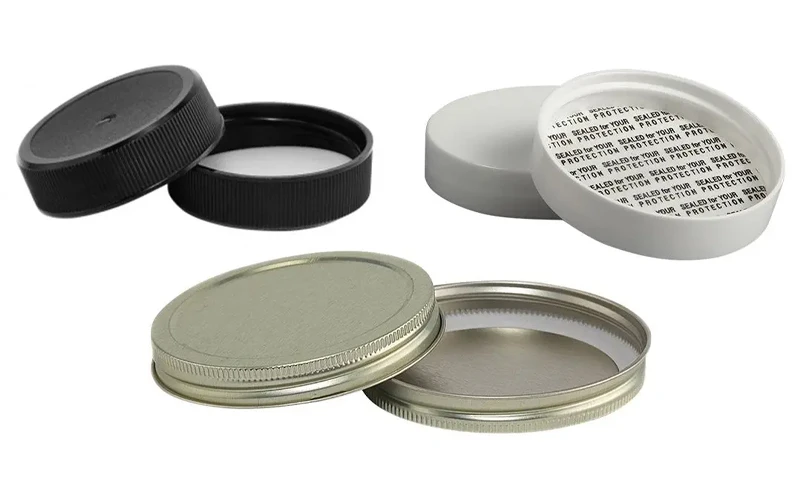
Cap liners and seals are thin materials placed inside the cap of a container to create an airtight closure, prevent leakage, and maintain product integrity. Often made from foam, foil, or plastic, these liners serve as a protective barrier between the product and the outside environment.
By blocking out air, moisture, and contaminants, cap liners and seals help extend product shelf life, ensure regulatory compliance, and preserve flavor, aroma, or medicinal qualities.
Industries That Rely on Cap Liners
Various industries depend on reliable sealing solutions to maintain product safety and quality. In the food and beverage sector, liners protect everything from sauces and dressings to spices and powdered ingredients.
Pharmaceutical manufacturers rely on liners to prevent contamination and ensure accurate dosages. Cosmetic products require dependable liners to protect against spoilage and maintain a pleasant consumer experience, while the cannabis industry often mandates specialized liners for child-resistant packaging and tamper-evident seals.
Types of Cap Liners and Their Applications
When it comes to liner types for caps, it’s important to understand that each type is designed to serve specific product and industry requirements. In this section, we’ll delve into four major categories of cap liners—foam liners, pressure-sensitive liners, heat induction liners, and child-resistant liners—and explore how each meets different packaging needs.
Foam Liners
Foam liners are flexible, lightweight liners made primarily from polyethylene foam. They often come in various thicknesses and can adapt to slight irregularities in container finishes, ensuring a snug fit. Because foam liners are relatively simple in construction, they are one of the more cost-effective liner types on the market.
Foam liners are particularly suitable for dry products like powders, grains, and snacks. They provide a reasonable seal to prevent leaks of granular or powdery items and keep out external contaminants. Additionally, foam liners work well with plastic or glass containers, making them a versatile choice across multiple industries.
One of the biggest advantages of foam liners is their cost-effectiveness. They are easy to install and can provide a decent barrier for non-liquid products. That said, foam liners are not the best option for liquid products, especially those prone to leakage or requiring a high level of freshness preservation. If your product is dry, stable, and cost sensitivity is a concern, foam liners can be an excellent choice for your packaging needs.
Pressure-Sensitive Liners
Pressure-sensitive liners feature an adhesive layer that bonds to the rim of the container when the cap is applied with sufficient torque. The liner itself is typically a film or paper-based material laminated with a pressure-sensitive adhesive. When the consumer opens the container for the first time, the liner remains sealed to the container’s mouth, offering a level of tamper evidence.
Because of their self-adhesive nature, pressure-sensitive liners are widely used for products such as spices, seasonings, dry foods, and light liquids like certain cosmetics or cooking oils. They’re particularly popular in the food industry, where tamper evidence is vital, and in scenarios where manufacturers want an easy-to-apply sealing solution.
Ease of application is the primary advantage of pressure-sensitive liners. Since they bond to the container with a simple torqueing motion, they typically do not require specialized equipment. However, their leak resistance can be somewhat limited compared to heat induction liners. Additionally, the effectiveness of the seal may vary based on the container’s finish and the torque applied during capping. Still, if your products do not demand extensive leak protection or high-temperature tolerance, pressure-sensitive liners can be an efficient and budget-friendly choice.
Heat Induction Liners
Heat induction liners use electromagnetic induction to create a secure, tamper-evident seal. These liners typically feature multiple layers, including a foil layer that bonds to the container’s rim when exposed to an induction sealing machine. The result is a hermetic seal that provides strong protection against leaks, oxidation, and external contaminants.
Heat induction liners are ideal for tamper-evident packaging in various industries, including pharmaceuticals, food, and cannabis products. In the pharmaceutical sector, these liners ensure medicines remain uncontaminated and accurately dosed. In food packaging, they help maintain flavor and reduce spoilage. For cannabis products, they fulfill essential regulatory requirements by offering tamper evidence and preserving product potency.
The primary benefit of heat induction liners is their airtight, leak-proof, and tamper-evident seal. They also help extend product shelf life, which is especially crucial for sensitive products such as active pharmaceutical ingredients or premium cannabis oils. While heat induction requires specialized equipment and an additional step in the production line, the result is often well worth the investment. The robust seal not only improves consumer confidence but also allows for compliance with stringent regulatory standards across multiple industries.
Child-Resistant Liners
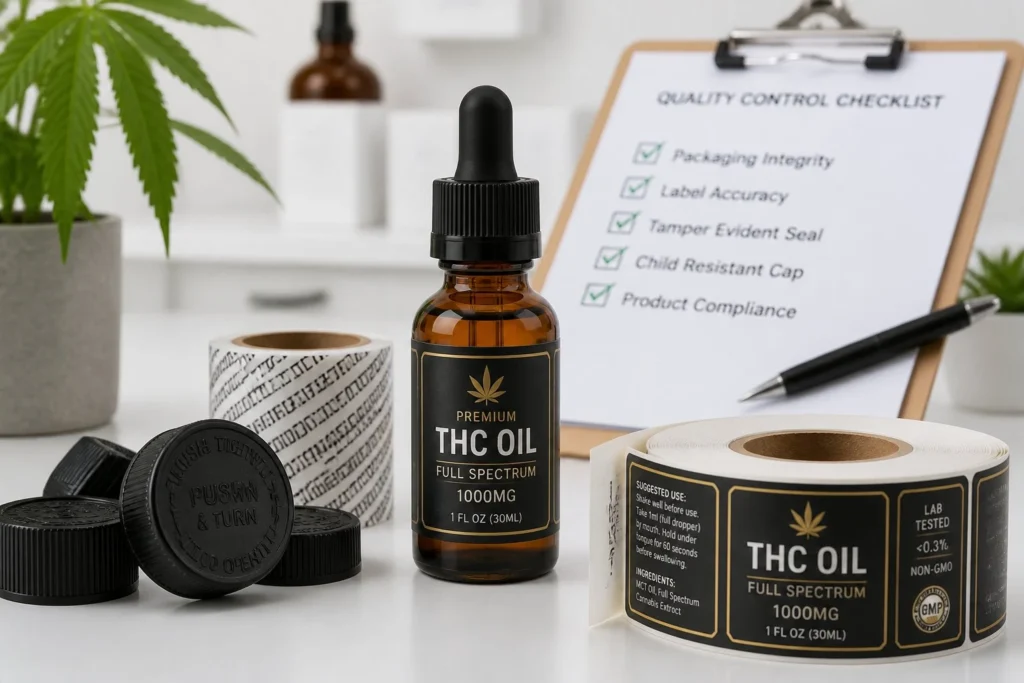
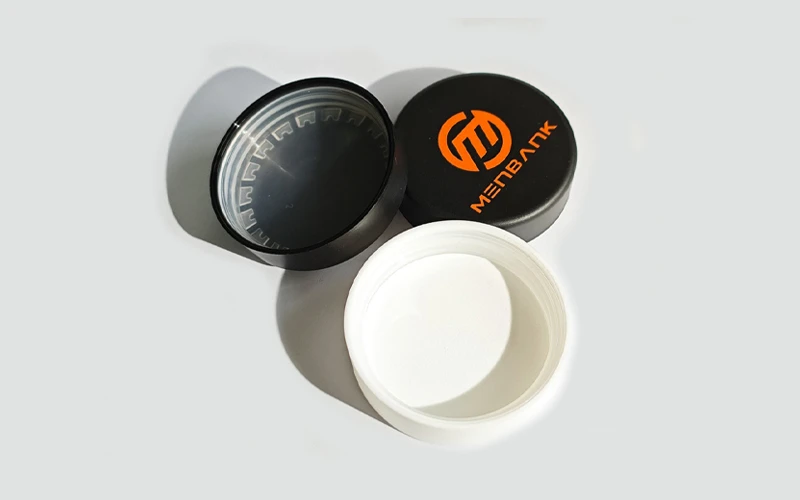
Child-resistant liners are specialized sealing solutions designed to restrict access to products, particularly those that could be harmful if ingested by children. These liners often combine features like push-down-and-turn closures or multi-layered seals that require a specific sequence of actions to open.
Child-resistant liners are a must-have in industries dealing with potentially hazardous or sensitive products, including cannabis, pharmaceuticals, and household chemicals. Regulatory bodies frequently mandate child-resistant packaging to reduce the risk of accidental ingestion, especially in households with young children.
By adding another layer of safety, child-resistant liners help manufacturers and brands comply with important regulations—such as those outlined in the Poison Prevention Packaging Act (PPPA)—and protect consumers. They also reassure parents and caretakers that the product is designed with their family’s safety in mind. If your product has any potential for misuse or requires restricted access, incorporating a child-resistant liner is not just an option—it’s a necessity.
Factors to Consider When Choosing Cap Liners
Selecting the right cap liner requires a thoughtful approach that aligns the liner types for caps with your product’s characteristics and industry requirements. Here are a few key considerations:
Product Type
The consistency and viscosity of your product—whether it’s a liquid, a powder, or an oil—play a major role in determining the best liner. For liquid or high-moisture products, look for airtight closures like heat induction liners. Dry or powdery goods can often use foam or pressure-sensitive liners.
Container Material
Glass, plastic, or metal? Each container material has different surface characteristics that can affect seal quality. Ensure that the liner you choose bonds effectively and does not react negatively with the container material. For instance, induction liners work well with many plastics and glass containers, whereas foam liners are more general-purpose.
Regulatory Requirements
Depending on your industry, you may need to comply with FDA standards, child-resistance protocols, or tamper-evident regulations. Make sure to research both federal and local regulations or consult official sources—such as the FDA’s packaging guidelines for the United States—to confirm you’re meeting the necessary mandates.
Consumer Experience
Consider ease of opening and resealing for end-users. Child-resistant liners may be crucial for safety, but if the product is meant for frequent household use, consumers might prefer a liner that is simpler to open.
Benefits of High-Quality Cap Liners
A well-selected, high-quality liner offers multiple advantages for both manufacturers and consumers:
Product Freshness and Longevity
A dependable seal prevents air, moisture, and other contaminants from degrading product quality. This is especially essential in products with sensitive ingredients—like supplements, cannabis extracts, or dairy-based foods—where freshness impacts both efficacy and taste.
Leak and Spill Prevention
Secure sealing solutions minimize leaks, reducing the risk of product loss and messes during shipping or on store shelves. By preventing spills, you save costs associated with damaged inventory and potential customer complaints.
Branding Opportunities
In addition to functionality, liners can be customized with logos, text, or tamper-evident messaging that enhances brand recognition. This level of customization can reinforce a product’s premium image and provide extra reassurance to customers that your brand prioritizes safety and quality.
YCP Glass: Your Partner for Cap Liners and Seals
When it comes to cap liners and seals, YCP Glass stands out as a reliable partner for manufacturers and businesses across multiple industries. We offer a diverse range of liner types for caps, including cost-effective foam liners, easy-to-apply pressure-sensitive liners, and high-performance heat induction liners. For products requiring restricted access, our child-resistant liners comply with regulatory standards and prioritize end-user safety.
Our team understands that one size does not fit all when it comes to cap liners. We work closely with clients to assess their specific product requirements—such as container material, formulation, and regulatory needs—and recommend sealing solutions that balance effectiveness, cost, and consumer convenience. Whether you’re packaging food, pharmaceuticals, cannabis products, or cosmetics, YCP Glass has the expertise and selection to help you achieve airtight closures and safeguard your brand’s reputation.
Conclusion
Selecting the right cap liners and seals is essential for preserving product quality, meeting compliance standards, and ensuring consumer satisfaction. From foam and pressure-sensitive liners to heat induction and child-resistant liners, understanding the strengths of each option will guide you to the most effective solution.
YCP Glass is committed to offering sealing solutions that align with your specific industry requirements, guaranteeing dependable performance and peace of mind.
For more information on how our cap liners can protect your products while showcasing your brand, explore the YCP Glass range or contact us for tailored recommendations and unbeatable expertise.