WHAT DOES BPA-FREE MEAN AND IS IT SAFE?
Consumer awareness about potentially harmful chemicals in packaging has skyrocketed in recent years, leading to a growing demand for BPA-free products. From food and beverage containers to pharmaceutical and cannabis packaging, more businesses and individuals are looking for safe packaging materials that align with health and sustainability standards.
Bisphenol A (BPA) has come under scrutiny due to its potential health risks, prompting regulatory bodies and manufacturers to seek BPA alternatives.
In this article, we will explore what BPA is, why BPA-free packaging is considered safer, and how using BPA-free containers can benefit both consumers and brands across various industries.
What Is BPA?
BPA (Bisphenol A) is a synthetic chemical compound used primarily in the production of certain plastics and epoxy resins. Plastics made from BPA typically include polycarbonate plastics, recognizable by their durability and clarity. Epoxy resins containing BPA are frequently used to line metal cans and create protective coatings.
According to the U.S. Food and Drug Administration (FDA) and other regulatory bodies, small amounts of BPA can migrate from these materials into food or beverages when heated or in contact for extended periods.
Common Uses of BPA
Beyond food and beverage packaging, BPA is also found in a range of industrial and consumer products:
- Plastic containers, such as reusable water bottles
- Epoxy resin linings in canned goods
- Some automotive parts, electronics, and thermal paper (e.g., receipts)
This wide usage highlights BPA’s versatility, but it also increases the potential for human exposure through multiple sources.
Health Concerns Linked to BPA
Research suggests BPA may act as an endocrine disruptor, which means it can mimic or interfere with natural hormones in the body. Scientists have explored connections between BPA exposure and various health concerns, such as hormonal imbalances, reproductive issues, developmental problems in children, and even heightened cancer risk.
Though debates persist in the scientific community regarding safe exposure levels, these potential risks have fueled consumer and regulatory demand for safer packaging materials and alternatives.
What Does BPA-Free Mean?
When a product is labeled “BPA-free,” it signifies that it does not contain any Bisphenol A in its manufacturing process. Instead of using BPA-based plastics or epoxy resins, manufacturers rely on BPA alternatives or other safe packaging materials (like glass) to eliminate the risk of BPA leaching.
This label provides reassurance to health-conscious consumers and companies aiming to reduce potential chemical exposure.
Industries Adopting BPA-Free Standards
The shift toward BPA-free packaging and materials has gained momentum across various industries:
- Food and Beverage: Bottling companies, canned food producers, and beverage brands increasingly offer BPA-free products.
- Pharmaceuticals: Medicine bottles and blister packs are being reformulated to exclude BPA, providing safer storage for sensitive medications.
- Cannabis Packaging: As cannabis moves into the mainstream, brands seek compliant and health-focused containers, making BPA-free glass jars a top choice.
- Baby Products: Infant bottles, sippy cups, and baby food storage have been among the first to adopt BPA-free regulations globally.
Regulatory Push for BPA-Free Products
In response to growing research, regulatory bodies worldwide have taken action. The FDA has banned BPA in baby bottles and sippy cups, while the European Union has placed strict limits on BPA use in food contact materials. These regulations underscore the importance of BPA-free solutions and encourage manufacturers to eliminate BPA from consumer goods altogether.
Is BPA-Free Packaging Safe?
Choosing BPA-free packaging significantly reduces the risk of BPA migrating into foods, beverages, or other products. This shift is particularly crucial when packaging involves liquids, high-heat processes (like microwaving), or extended storage. Among the health benefits of BPA-free containers are:
- Decreased potential for endocrine disruption
- Lower risk of developmental impacts on children and infants
- Mitigated concerns regarding long-term exposure and potential chronic conditions
Given these factors, BPA-free labels have become a symbol of health-conscious packaging, especially for sensitive consumer groups like pregnant women, young children, and the elderly.
Consumer Trust and Safety
Brands that adopt BPA-free materials often gain a competitive edge by fostering consumer trust. Health-conscious buyers scrutinize product labels more than ever, prioritizing safe packaging materials to protect themselves and their families. Therefore, placing a “BPA-free” label on products is not just a compliance measure—it’s a powerful marketing tool that signals transparency, safety, and care for consumer well-being.
Limitations and Considerations
Despite the rising preference for BPA-free packaging, it’s essential to remember that BPA substitutes (like BPS or BPF) may carry their own risks. While they share some chemical similarities with BPA, the full extent of their health impacts is still being studied. Consumers and manufacturers alike should stay informed about emerging scientific findings, ensuring they choose truly safe packaging materials. Glass, for instance, remains a standout option because it is naturally free of Bisphenol A, BPS, and other harmful chemicals.
Benefits of BPA-Free Packaging
Healthier for Consumers
One of the main reasons businesses and individuals seek BPA-free solutions is the potential health advantage. By removing or replacing harmful chemicals, BPA-free packaging helps reduce the risk of hormone disruption and other health issues. This transition is especially relevant for items frequently used by children, pregnant women, and those with compromised immune systems.
Environmentally Friendly
In addition to human health, BPA-free packaging can also be more eco-friendly. Materials like glass do not degrade into microplastics or release toxic substances into the environment. Glass is completely recyclable, reducing the environmental footprint and promoting a circular economy. Moreover, glass production has evolved to be increasingly efficient, making it a sustainable choice for brands concerned about their ecological impact.
Brand Appeal and Market Demand
Embracing BPA-free materials positions a brand as forward-thinking and health-focused—two attributes that resonate with modern consumers. In a marketplace where transparency and sustainability heavily influence purchasing decisions, offering BPA-free products can help brands stand out. By adopting BPA-free standards, companies demonstrate their dedication to product safety, environmental responsibility, and overall consumer well-being. This commitment ultimately fosters stronger customer loyalty and can lead to increased market share.
Why Glass Is the Best BPA-Free Option
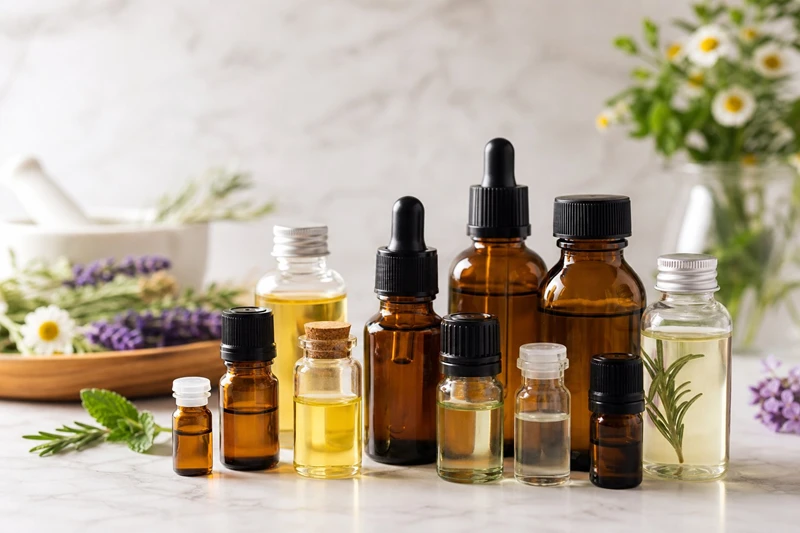
When it comes to BPA-free solutions, glass stands out as a non-toxic, highly stable packaging material. Glass naturally does not contain BPA, BPS, or other harmful chemicals, eliminating worries about chemical leaching altogether. This purity ensures that products retain their original taste, smell, and quality—particularly important for food, beverages, and other consumables.
Although glass is often perceived as fragile, modern manufacturing techniques produce robust glass containers suitable for multiple industries. With proper handling, glass can be reused and recycled repeatedly without losing its integrity. This reusability factor significantly reduces waste and supports sustainable business practices. Additionally, glass’s transparency allows consumers to visually inspect the product inside, enhancing trust in the item’s quality and purity.
Glass is versatile and finds applications in numerous sectors, including:
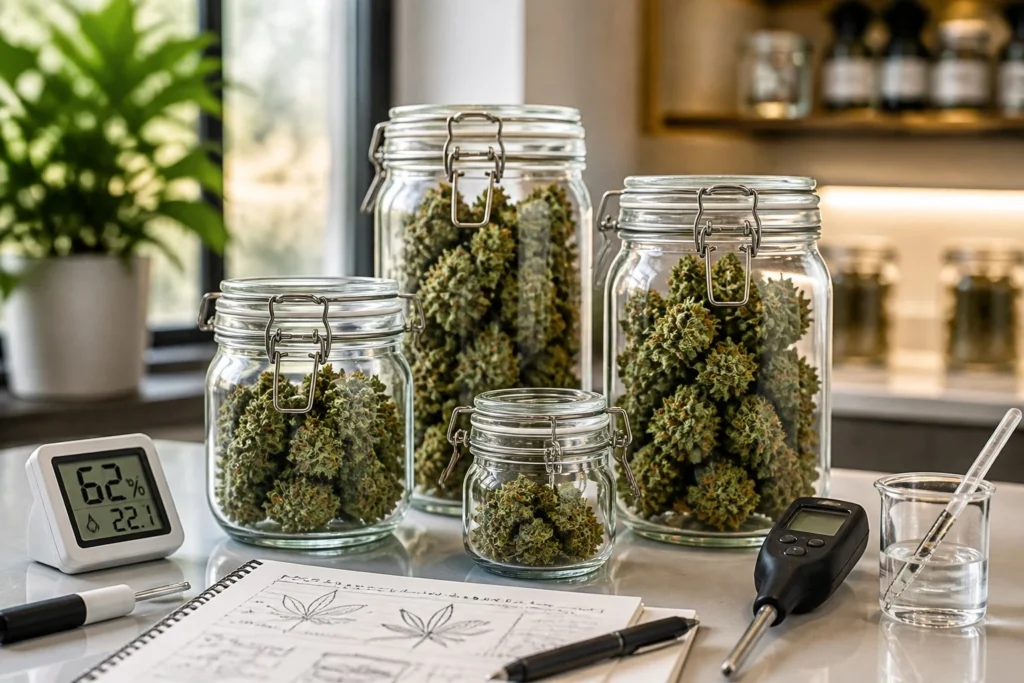
- Cannabis Jars: Maintaining product freshness and potency while aligning with strict regulatory requirements.
- Pharmaceutical Bottles: Preserving medication efficacy by preventing contamination.
- Food and Beverage Containers: Keeping tastes and aromas intact, ensuring a premium consumer experience.
YCP Glass: Your Partner for BPA-Free Packaging
When you’re looking for BPA-free packaging that doesn’t compromise on quality or aesthetics, YCP Glass is here to help. With years of experience in packaging solutions across diverse sectors, we have honed our ability to meet stringent health, safety, and sustainability standards.
Custom Solutions for Every Need
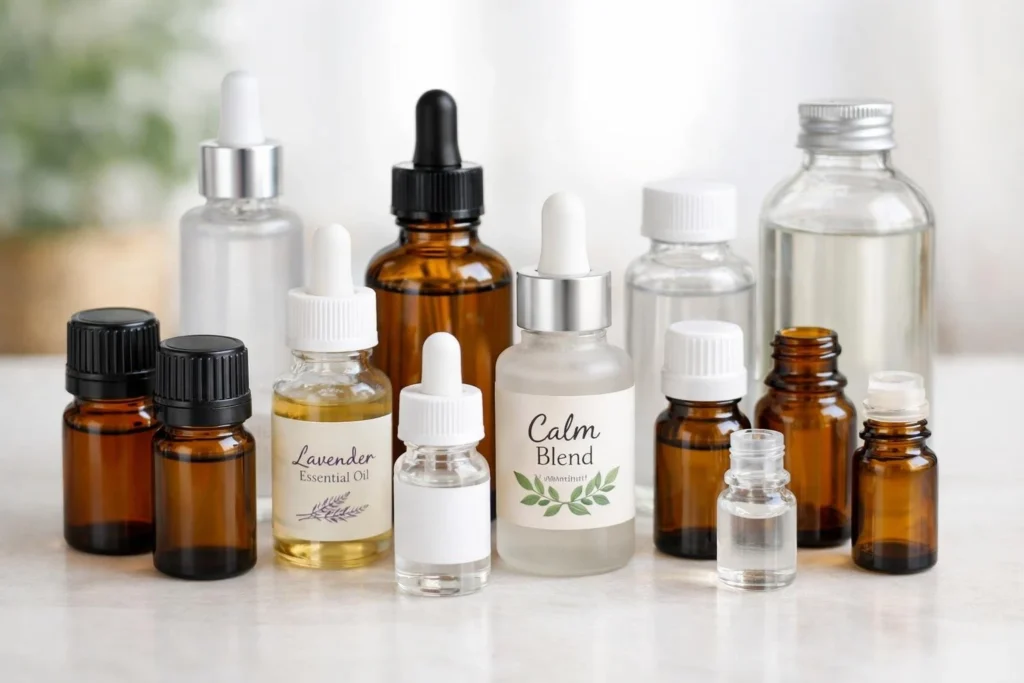
At YCP Glass, we recognize that each brand has distinct requirements, whether it’s preserving the flavor profiles of artisanal beverages, safeguarding the potency of cannabis products, or ensuring the efficacy of sensitive pharmaceuticals. That’s why we offer a comprehensive range of BPA-free glass packaging options—including jars, bottles, and fully customizable designs—to suit every purpose.
Our packaging solutions are naturally free from Bisphenol A, eliminating concerns about chemical leaching and helping you uphold the highest standards of product safety. By choosing glass, you invest in a packaging material that is not only durable but also reusable and recyclable, aligning with growing consumer calls for sustainability.
Commitment to Sustainability and Quality
Partnering with YCP Glass means showcasing your commitment to health-conscious and eco-friendly packaging. Our glass containers exemplify BPA-free purity, ensuring no harmful chemicals come into contact with your products.
Moreover, glass’s premium appearance enhances customer perception, reflecting the care and attention you put into each offering. We believe that responsible packaging should benefit both your brand and the environment, which is why our solutions minimize waste and support a more circular economy.
To learn more, explore our BPA-free glass packaging solutions and discover how we can help elevate your brand. We’re committed to delivering high-quality, eco-friendly, and health-conscious packaging that resonates with today’s discerning consumers. Let us partner with you to ensure your products stand out as safe, sustainable, and market-ready.
Conclusion
In a world increasingly concerned about chemical exposure and environmental impact, BPA-free packaging has become more important than ever. By eliminating potential hormonal disruptors, protecting product quality, and appealing to eco-minded consumers, BPA-free materials play a critical role in building trust and safeguarding well-being.
Glass, in particular, remains the gold standard for truly safe packaging, thanks to its naturally non-toxic and sustainable properties. If you’re looking to adopt BPA-free solutions, consider partnering with YCP Glass for premium glass packaging that prioritizes health, sustainability, and market appeal.
Contact us today for tailored recommendations that fit your industry’s specific needs.