Glass Type and Dimensions for Cannabis Tincture Bottles: Complete Guide
Choosing the right glass type and size for cannabis tincture bottles really matters. You want your product to stay fresh, safe, and easy for customers to use, right?
Pick the wrong bottle and you might see product loss, legal headaches, or just frustrated customers. It’s not worth the risk.
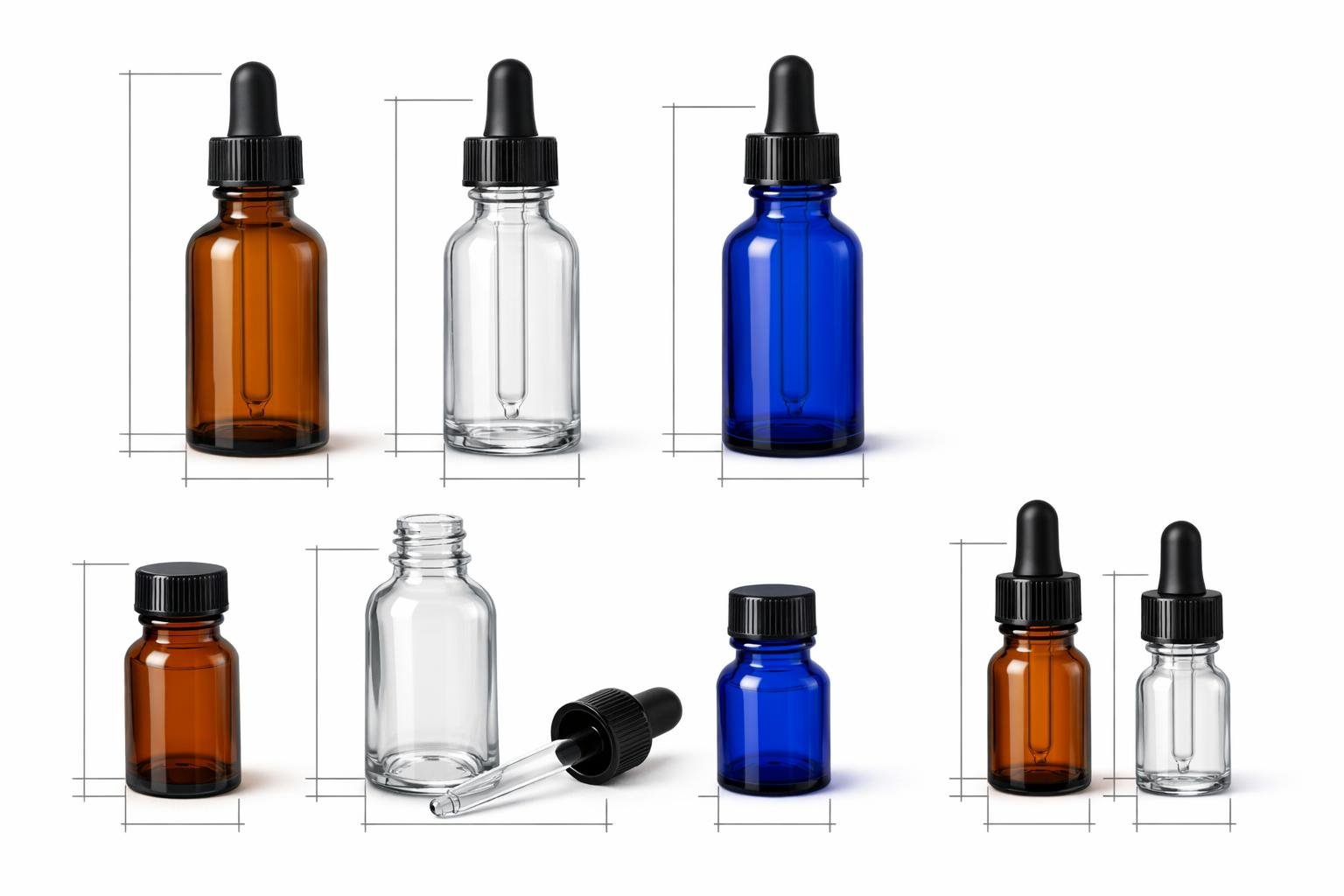
Dark amber or cobalt blue glass bottles are your best bet for cannabis tinctures because they block out the kind of light that breaks down cannabinoids and zaps potency. These bottles usually come in sizes from 5ml to 100ml, and 30ml is the crowd favorite.
You’ll also want to consider the bottle shape, closure type, and whether your packaging meets state rules for child resistance and labeling. It’s a lot, but it’s worth it.
Knowing your glass types and bottle dimensions helps you protect your product quality and stay on the right side of cannabis packaging laws. These choices change how long your tinctures last and whether your products pass inspection.
Key Takeaways
- Amber and blue glass bottles protect cannabis tinctures from light damage that reduces potency
- Standard tincture bottles range from 5ml to 100ml with 30ml being the most common size
- Child-resistant closures and proper labeling are required to meet cannabis packaging regulations
Fundamentals of Glass Tincture Bottles
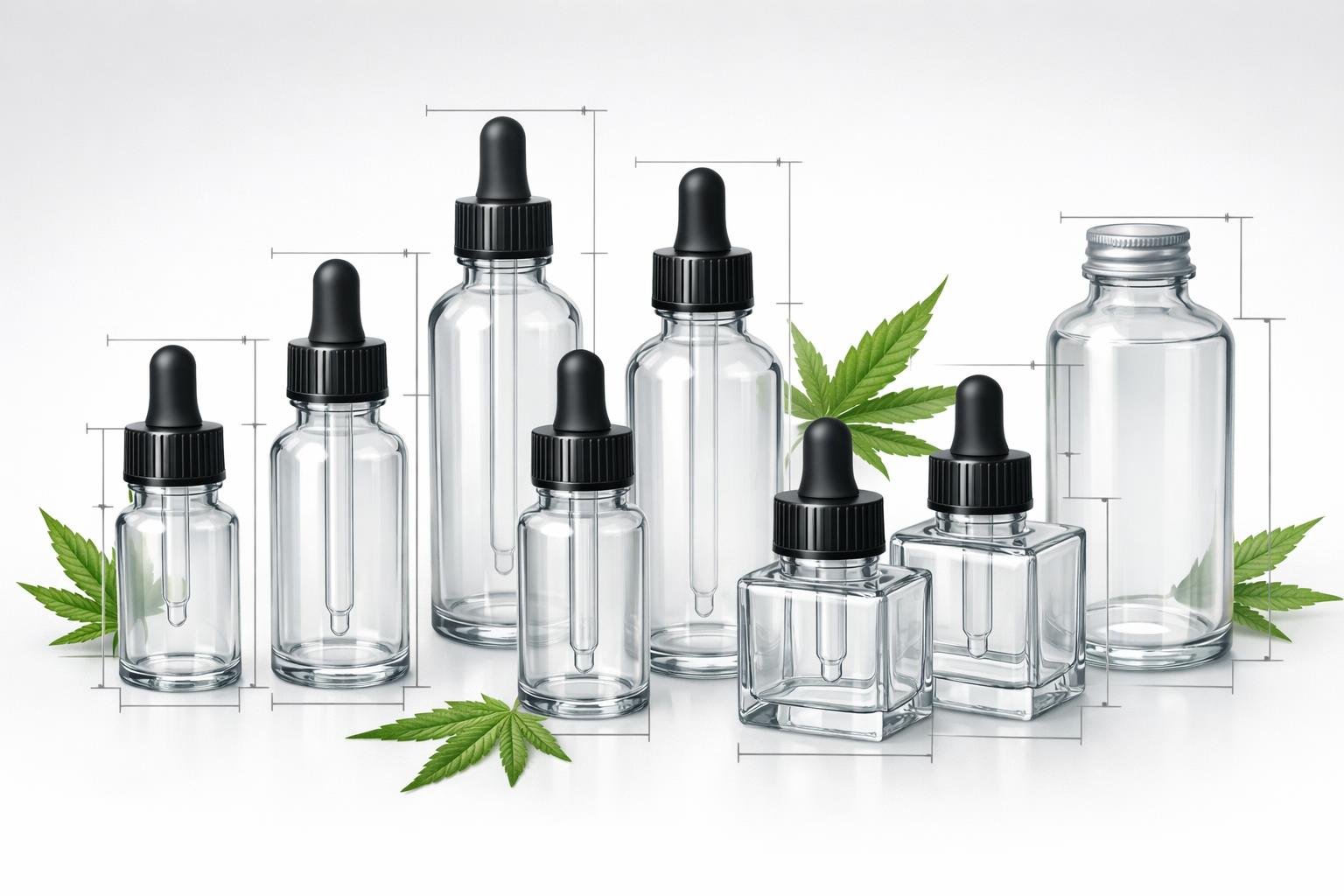
Glass tincture bottles are built to store and dispense liquid cannabis extracts while keeping them safe from light and air. They combine sturdy glass materials with droppers for accurate dosing.
What Are Cannabis Tincture Bottles?
Cannabis tincture bottles hold liquid cannabis extracts mixed with carriers like alcohol, oil, or glycerin. They come with droppers so you can measure and dispense just the right amount.
Most bottles have a dropper assembly—think glass pipette and a rubber or silicone bulb. You squeeze and release to draw up the liquid, and a standard dropper holds about 1 ml, or 20 drops.
The bottles protect THC and CBD extracts, which are pulled from plant material and mixed into the carrier liquid. Tinctures give you a smoke-free way to use cannabis products.
Primary Uses of Tincture Bottles
Cannabis tincture bottles fill a lot of roles in the industry. Dispensaries package and sell CBD oils, THC tinctures, and all sorts of blends in them.
They’re great for sublingual use—just place a few drops under your tongue. This lets cannabinoids get into your bloodstream fast, skipping the whole digestion process.
Medical cannabis patients count on tincture bottles for steady dosing. The dropper helps you measure what you need, whether you’re sensitive or have a high tolerance. Some folks even add tinctures to food or drinks for a different experience.
Key Benefits of Glass Packaging
Glass has some real perks over plastic for cannabis packaging. It’s chemically inert, so it won’t react with your tinctures or leach anything weird into the product. That’s especially important for alcohol-based extracts, which can wreck some plastics.
Glass bottles keep the taste and smell of your tincture intact since glass doesn’t soak up flavors or odors. From first drop to last, your product stays true. Glass is also recyclable, and you can clean and reuse these bottles—less waste is always a win.
Amber glass blocks up to 99% of UV rays that break down cannabinoids and kill potency. That dark glass really acts as a shield, keeping your tincture strong for longer. Blue and green glass also filter UV, and they look pretty sharp on a shelf, if you ask me.
Glass Types Used in Cannabis Tincture Bottles
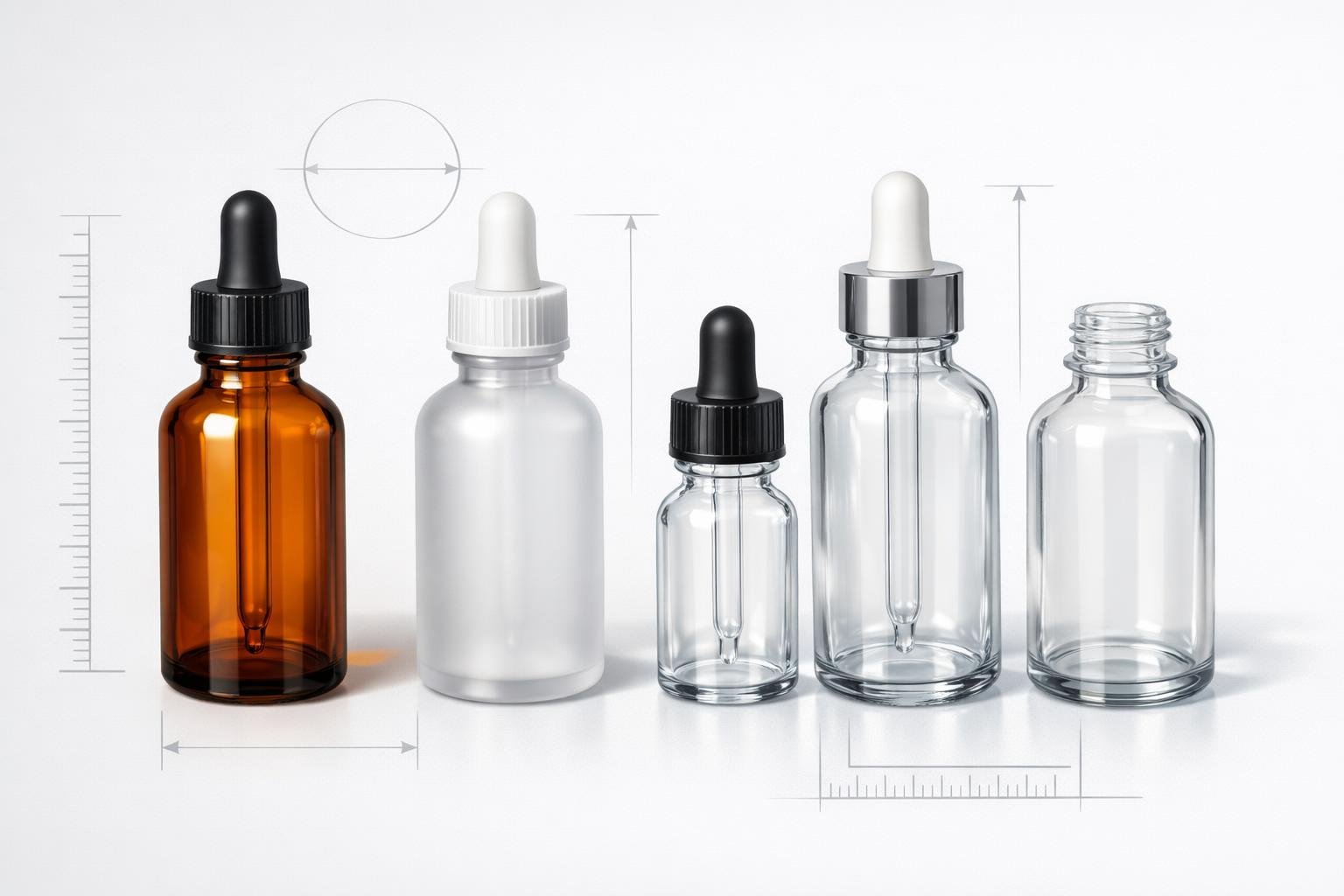
Two main glass types show up in cannabis tincture bottles: borosilicate and soda lime glass. Each one brings its own balance of durability, chemical resistance, and price—so your choice affects how well your products hold up.
Borosilicate vs. Soda Lime Glass
Borosilicate glass has boron trioxide, which makes it super resistant to temperature swings and thermal shock. It won’t crack if you fill it hot or store it cold. That’s why labs use borosilicate for all kinds of gear.
Soda lime glass is the standard for most tincture bottles. It’s made with soda (sodium carbonate) and lime (calcium oxide), so it’s cheaper to produce than borosilicate. Most cannabis containers stick with soda lime glass because it does the job and keeps costs down.
Key Differences:
| Feature | Borosilicate Glass | Soda Lime Glass |
|---|---|---|
| Thermal Resistance | High | Moderate |
| Cost | Higher | Lower |
| Common Use | Lab equipment, premium bottles | Standard tincture bottles |
| Weight | Lighter | Heavier |
Chemical Resistance and Safety
Both glass types give you non-reactive surfaces that won’t leach chemicals into your tinctures. Glass keeps your cannabis extracts pure and safe to use. That’s crucial, since tinctures often have alcohol or oils that might mess with other materials.
Borosilicate handles acids a bit better, but soda lime glass is just fine for most cannabis tinctures. Neither breaks down when it touches cannabinoids, terpenes, or carrier oils. The FDA even calls glass Generally Recognized as Safe (GRAS) for direct contact with food and supplements.
Recyclability and Sustainability
You can recycle glass tincture bottles endlessly with zero loss in quality. That makes them a sustainable choice for cannabis packaging. Both borosilicate and soda lime glass can be melted down and turned into new bottles over and over.
Soda lime glass is easier to recycle since most facilities accept it. Some manufacturers use post-consumer recycled glass for new cannabis containers. This cuts down the environmental impact while keeping the quality you need.
Dimensions and Standard Sizes for Tincture Bottles
The size of your tincture bottle changes how easy it is to store, carry, and sell your product. Most glass tincture bottles stick to standard sizes used in everything from cannabis to herbal medicine.
Common Bottle Sizes (1oz, 2oz, 4oz, etc.)
Boston round bottles are the go-to for cannabis tinctures. The 1oz (30ml) bottle is about 3.20 inches tall and 1.25 inches wide—perfect for single users or small batches.
The 2oz (60ml) bottle stands at 4.6 inches with the dropper, or 3.7 inches without. Its cap is 0.9 inches across. This size is handy for regular use and doesn’t hog shelf space.
Go bigger with a 4oz (120ml) bottle, which is 4.5 inches tall and 1.9 inches wide. These work for bulk or commercial sales. There are also 0.5oz (15ml) bottles, about 2.75 inches tall and 1 inch wide, which are great for samples or travel.
You’ll find glass tincture bottles from 5ml up to 120ml in most lines. Some suppliers even offer sizes in between, depending on what you want.
Volume-to-Dropper Compatibility
Each bottle size needs a dropper that fits. A 1oz bottle takes a pipette about 70-75mm long, while a 2oz bottle uses an 89mm pipette to reach the bottom.
Standard droppers hold 1ml, or about 20 drops. The 2oz bottle dropper gives you around 0.8cc per squeeze. For 4oz bottles, you’ll need longer pipettes to get every last drop.
The bulb style matters, too. Black bulb glass droppers usually draw about 0.8ml per squeeze for hemp oil tinctures. It’s important to match the dropper to the bottle, so customers don’t waste product or get frustrated.
Industry Size Standards and Variations
Most cannabis and hemp brands use amber or colored glass bottles in 5ml, 10ml, 15ml, 20ml, and 30ml sizes. These sizes line up with pharmaceutical standards for liquids.
Some companies offer custom sizes between the usual options. Square-base tincture bottles have a different look than Boston rounds but hold similar volumes.
Child-resistant bottles must hit specific size requirements for their caps. The closure adds a bit of height, so keep that in mind. Label space also changes—1oz bottles fit labels from 1.25″ x 2.50″ up to 1.75″ x 3.50″, while bigger bottles give you more real estate for branding.
Shapes and Styles of Tincture Bottles
Boston round bottles pretty much own the tincture scene. They’re easy to label and have a classic vibe, but square bottles and other unique shapes can help your brand stand out or even make the bottle a little more stable on the shelf.
Boston Round Bottles
The Boston round bottle is easily the most popular pick for cannabis containers and herbal tinctures. You’ll spot these bottles by their rounded shoulder and narrow neck—it’s a classic look.
The body is cylindrical, flat, and perfect for sticking on a label that actually looks professional. No weird bumps or angles to fight with.
Boston round dropper bottles usually come in sizes from 0.5 oz (15 ml) up to 4 oz (120 ml). The rounded shape spreads out stress across the glass, so these bottles don’t break as easily during shipping or when you’re handling them.
The narrow neck fits dropper caps just right, letting you dispense tincture pretty precisely—no mess, no fuss.
You can use either screw caps or child-resistant closures with these bottles. The curved surface feels good in your hand and gives you a solid grip when you’re dosing out a tincture.
Square and Specialty Shapes
Square-base tincture bottles have their own perks for storage and display. The flat sides keep them from rolling around, and you can pack them tightly together on a shelf—way more efficient.
They also look modern and help your products stand out in a sea of round bottles. It’s a simple way to make your brand pop.
Specialty shapes include euro dropper bottles, cylinder bottles, and custom-molded designs. Square bottles usually stay put better on flat surfaces than round ones.
The flat panels give you more places to stick labels, which is handy for compliance and branding. That’s a win if you’ve got a lot of info to fit.
Just keep in mind, specialty shapes often cost more than standard Boston rounds. Still, if you want your product line to look unique or save space in displays, it might be worth it.
Design Considerations for Stability
The width of the base really matters for stability. A wider base-to-height ratio means the bottle tips over less easily, which is important if it’s sitting on a shelf or counter.
Boston round bottles naturally have good stability because of their lower center of gravity. That’s a detail people sometimes overlook.
Thick glass walls make bottles feel sturdier and more premium. Wall thickness ranges from about 1.5 mm to 3 mm—thicker walls give your tincture more protection.
Aesthetics matter, but so does function. Tall, skinny bottles might look nice, but they’re a lot easier to knock over. Think about where your customers will actually use and store these before picking a shape.
Glass Color Options and Their Importance
The color of your glass tincture bottle really affects how fresh your cannabis products stay. Different glass colors block different amounts of light, and that impacts quality and shelf life.
Amber Glass for UV Protection
Amber glass bottles give you the best defense against UV light. That brown tint blocks most of the rays that break down cannabinoids and zap your product’s potency.
Cannabis extracts and tinctures are pretty sensitive to light. Amber glass filters out wavelengths between 10 nm and 400 nm, so those chemical compounds stay protected longer.
Most cannabis brands stick with amber glass for tincture bottles, especially if the product needs to last on the shelf. Customers can still see what’s inside, but the tinted glass shields it from light damage.
Clear Glass for Product Visibility
Clear glass bottles let you show off the natural color and clarity of your tinctures. Customers like seeing exactly what they’re buying, and it helps build trust.
They work best for products with golden or bright colors—herbal extracts and some cannabis oils just look better in clear glass. The transparency grabs attention on store shelves.
But clear glass doesn’t block UV light at all. Your products will degrade faster if exposed to sunlight. Only use clear glass for products that sell fast or get stored in the dark.
Cobalt Blue and Green Glass Bottles
Blue glass bottles offer some UV protection and look upscale. The cobalt blue color blocks a bit of the harmful light, though not as much as amber glass.
Green glass sits somewhere in the middle between clear and amber. Both blue and green options help your brand stand out and give some protection to light-sensitive formulas.
Lots of wellness and herbal brands go for these colors for the unique vibe. The tinted glass shields your products from some UV damage and keeps the presentation sharp.
Closure Types and Dispensing Options
The closure you pick changes how people use your product and whether you’re following safety rules. Different closure types serve different purposes, from accurate dosing to keeping kids out.
Dropper Caps and Pipettes
Dropper caps screw right onto tincture bottles and let users measure out doses easily. Most droppers have markings in milliliters, so you know how much you’re getting. One milliliter of tincture is about 20 drops.
You’ve got options when it comes to droppers for cannabis packaging. Glass droppers are best—plastic can react with alcohol-based tinctures over time. The dropper assembly usually has a bulb, a glass tube, and a threaded cap.
Pipettes are another way to dispense tincture. They work like droppers but can be a bit more precise, especially if they’ve got markings along the tube.
Child-Resistant and Tamper-Evident Closures
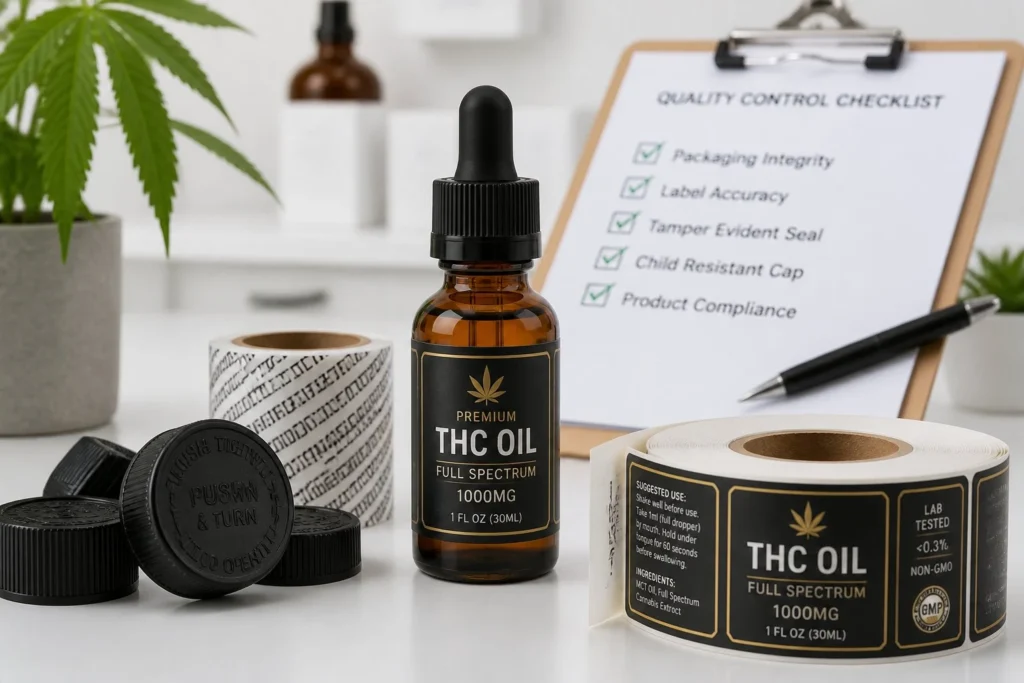
Most states require child-resistant caps for cannabis products. These use a push-and-turn system that’s tough for kids under five to open.
Tamper-evident seals show if someone’s messed with the bottle before you buy it. You can add shrink bands or breakable rings to the cap. Some dropper bottles combine child-resistance and tamper-evidence in one cap.
The caps have to meet safety standards for cannabis packaging. Always check your state’s rules to see what’s required.
Compatibility with Bulk and Capsule Bottles
Different bottle sizes need different closures. Small capsule bottles (15-30 mL) use standard 18mm or 20mm threaded caps. Bigger bottles might need 22mm or 24mm closures.
Make sure your closure matches your bottle’s neck finish. That’s the threading and opening size at the top. Typical tincture bottles use 18-400, 20-400, or 22-400 neck finishes (the first number is diameter in mm; 400 is the thread style).
Test your closures with your actual bottles before buying a bunch. Some dropper caps don’t fit every bottle style, and that leads to leaks or dosing headaches.
Labeling Requirements and Compliance Considerations
Cannabis tincture bottles have to show specific info required by state and federal agencies. The glass surface can make label adhesion and readability tricky. Balancing compliance and branding takes some planning—especially with label size, placement, and materials.
Required Information for Cannabis Tincture Bottles
Your label must show THC content per serving and per container, in milligrams. You also need to list net contents in metric and imperial units.
Every label needs a batch or lot number, manufacture or packaging date, and your state-issued license number. The universal THC symbol is required in most places, and it has to be a certain size and color contrast.
Don’t forget warning statements like “Keep out of reach of children.” Most states set a minimum font size for warnings. Some require a QR code or URL linking to the certificate of analysis.
List all ingredients, including the carrier oil and any flavorings. If there are allergens, call those out. Some states want activation time and duration of effects listed. Storage instructions help customers keep their tincture stable.
Label Size and Placement on Glass Bottles
Standard 30 ml bottles give you about 3 to 4 square inches for labels. 60 ml bottles offer 5 to 7 square inches. Plan out where every required element goes before you finalize label dimensions.
The front usually holds your brand name, product type, and THC content. Side or back panels are for compliance text, warnings, and batch codes.
Curved glass can make small text hard to read, so check your font sizes at real scale. Most states want at least 6-point font for warnings, but 8-point or bigger is easier to read. Leave a little space between text and label edges so nothing gets cut off.
Dropper bottles have a narrow neck, which limits label height. You might need to lay out info vertically, but keep key details like THC content and warnings up front where customers see them.
Material and Surface Area Considerations
Paper labels work on most glass tincture bottles, but they can tear or pill if they get wet or oily. Vinyl or polypropylene labels handle water and handling better. If you stick with paper, use a laminate or varnish to protect the ink.
Amber glass needs high contrast between the label background and text. White or light labels with dark text are easiest to read. Clear glass lets you get creative with design, but you still need strong contrast for compliance info.
Your label adhesive has to stick to glass, even with temperature swings or condensation. Permanent acrylic adhesives usually work well indoors. Test your labels on filled bottles at 40°F and 85°F for a couple weeks to make sure they stay put. Some cannabis packaging rules say labels have to stay intact and readable for the whole shelf life.
Frequently Asked Questions
The most common sizes for cannabis tincture bottles are 15ml to 30ml, and most people prefer dark amber or cobalt blue glass for UV protection. Bottle thickness and the right closures really help keep your product safe and fresh.
What are the most common glass bottle sizes used for storing cannabis tinctures?
The 30ml (1 oz) bottle is the top choice for cannabis tinctures. It’s enough for several doses, but still easy to carry and use.
You’ll also see 15ml and 20ml bottles for smaller amounts or samples. Some brands offer 60ml (2 oz) bottles for people who buy in bulk. A 30ml bottle holds about 600-700 drops, so you can figure out dosing and how long it’ll last.
How does bottle thickness impact the quality and shelf life of cannabis tinctures?
Thicker glass bottles protect better against breakage during shipping or if you drop them. The thickness doesn’t change the chemical stability, but it keeps the product safe and the seal intact.
Bottles with thicker walls are less likely to crack or leak, which keeps your tincture potent and uncontaminated. Typical tincture bottles have walls between 1mm and 2mm thick.
Are there specific types of glass that are recommended for cannabis tincture bottles?
Dark amber glass is the go-to for cannabis tincture bottles. It blocks harmful light that can degrade cannabinoids and other active ingredients.
Cobalt blue glass is another solid option with similar light protection. Both amber and blue glass filter UV rays and let you see how much tincture is left. Clear glass isn’t recommended since it doesn’t block light.
How does UV light affect cannabis tinctures and what type of glass can protect them?
UV light can break down cannabinoids, chipping away at your tincture’s potency over time. When light hits your tincture, it triggers oxidation and starts degrading those active compounds you’re hoping to keep intact.
Amber glass blocks up to 98% of UV light in the most damaging wavelength range. Cobalt blue glass also filters out UV rays, offering similar protection.
With these colored glass bottles, you can help your tincture stay potent for years—sometimes up to five—if you store them right. It’s not a magic shield, but it sure beats clear glass.
What are the industry standards for the dimensions of cannabis tincture bottles?
Most tincture bottles hold 30ml and stand around 3 inches tall, with a diameter close to 1 inch. Manufacturers might tweak the size a bit, but they usually stick pretty close to these numbers for the sake of consistency.
If you’re making labels, aim for 2 inches by 3 inches. That size tends to fit these bottles just right and gives you enough space for the essentials—product name, ingredients, dosage, maybe an expiration date.
Some states throw in extra labeling rules, so double-check what’s required in your area before printing anything.
What type of closure is best suited for glass tincture bottles to ensure product integrity?
Child-resistant dropper caps really stand out as the best closure for cannabis tincture bottles. They meet safety regulations and let you dose precisely with the built-in dropper.
Ideally, the dropper uses a rubber bulb and a glass pipette, so you can dispense the right amount every time. To open a child-resistant cap, you have to press down and twist it counterclockwise—honestly, it can be a bit tricky, but that’s the point.
This kind of closure keeps the bottle sealed tightly, which helps block air and keeps the product fresh for longer.