Child-Resistant Cannabis Packaging: ASTM Standards & Certification Guide 2026
Cannabis packaging rules are shifting quickly in 2026. Several states—Minnesota, New York, New Jersey, and Missouri—now require cannabis packaging to meet ASTM D3475-2024 standards and pass full CPSC senior-friendly testing, instead of the old 16 CFR 1700.20 poison prevention standard.
This change touches everything: exit bags, pre-roll tubes, tincture bottles, and more.
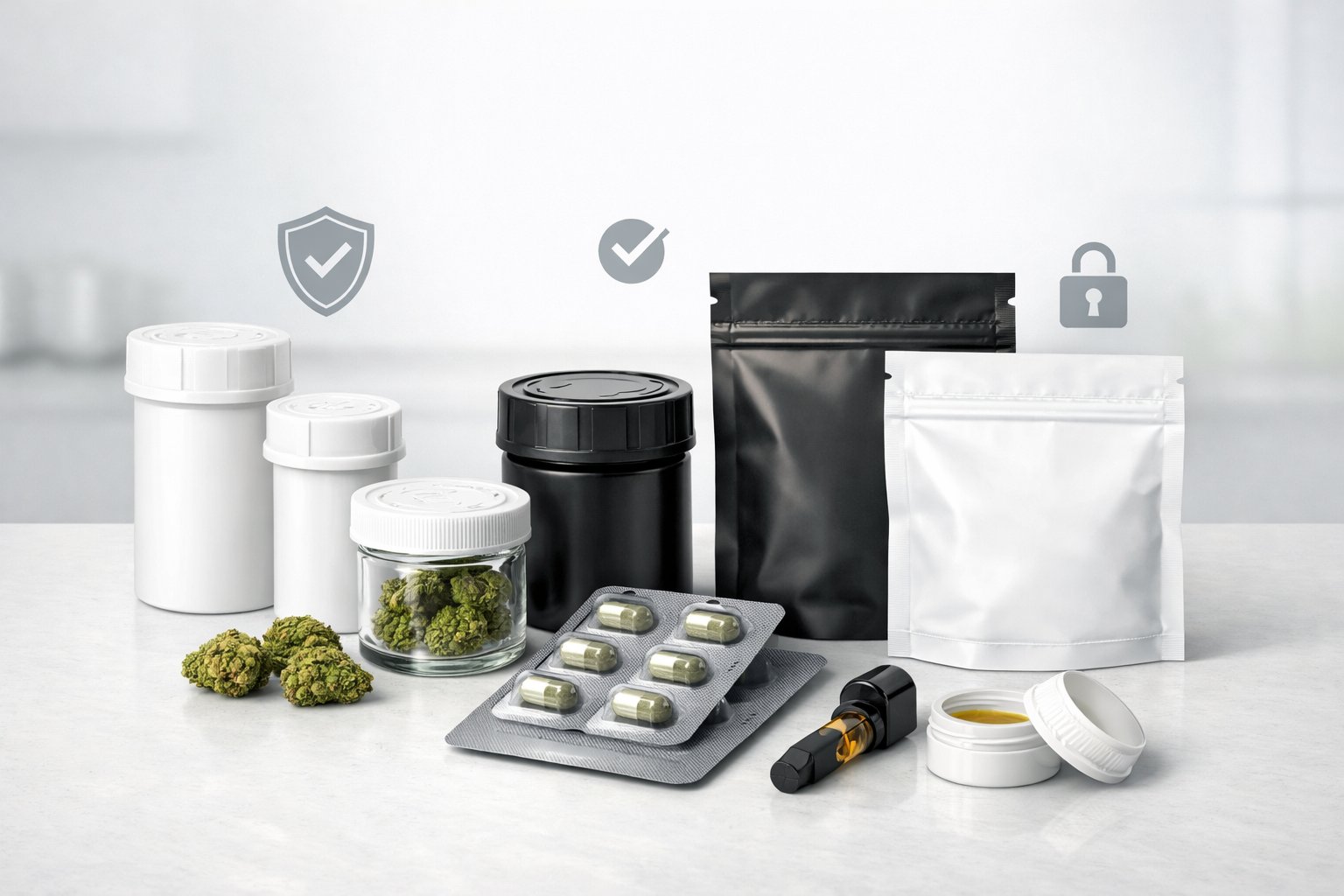
The old packaging you’ve relied on may not pass the new tests. Major child-resistant packaging changes hit in January 2026 across several states, with stricter requirements for both child resistance and senior accessibility.
If your packaging fails, you could face product recalls costing $25,000 to $250,000 per SKU—plus, you might risk your license.
Understanding ASTM certification requirements really matters right now. The new standards test packaging with 200 children and 100 seniors, aiming to keep products safe from kids but still usable for older adults.
This guide covers what you need to know about child-resistant cannabis packaging compliance, certification, and how to switch to compliant options without wrecking your margins.
Key Takeaways
- ASTM D3475-2024 standards require packaging to pass tests with 200 children and 100 seniors starting January 2026 in multiple states.
- Common packaging like mylar exit bags, pop-top vials, and slide-lock pre-roll tubes may fail the updated protocols and need replacement.
- Switching to certified compliant packaging now costs 2 to 9 cents more per unit, but waiting could mean 25 to 40 percent increases.
ASTM Standards, CPSC Guidelines, and Core Child-Resistant Packaging Requirements
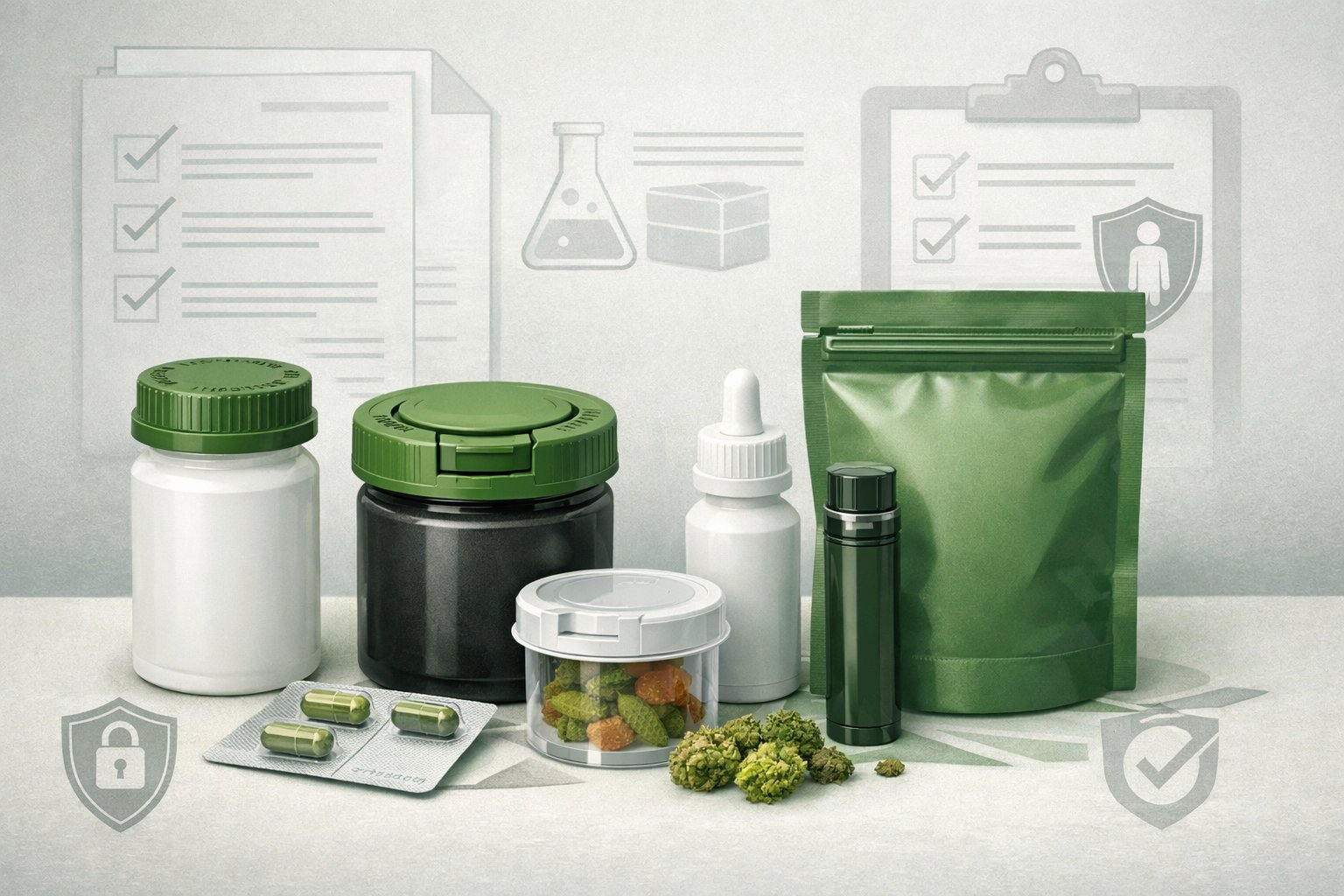
Child-resistant cannabis packaging has to meet strict federal testing protocols from ASTM International, enforced by the Consumer Product Safety Commission (CPSC). Your packaging choices need to fit classification systems that define closure types and performance standards.
These standards measure how well packaging blocks access by kids under five years old. No shortcuts here.
ASTM D3475, ASTM D3475-20, and Latest Testing Updates
The ASTM D3475 standard classifies child-resistant packages by closure type and the action needed to open them. ASTM D3475-20 is the 2020 revision of that system.
This standard lists eleven package types:
- Type I: Continuous thread closure
- Type II: Lug finish closure
- Type III: Snap closure
- Type IV: Flexible non-reclosable (strip/pouch)
- Type VII: Aerosol packages
- Type VIII: Semi-rigid non-reclosable (blister)
- Type IX: Dispensers not intended for removal
- Type X: Box or tray package
- Type XI: Flexible reclosable
- Type XIII: Semi-rigid reclosable (blister)
The classification result assigns a package type code that documents the structure and how your child-resistant feature works. You’ll need this for regulatory submission and performance testing.
Consumer Product Safety Commission (CPSC) Protocols and 16 CFR 1700.20
The Consumer Product Safety Commission oversees the Poison Prevention Packaging Act (PPPA), which demands special packaging for dangerous household products.
Regulation 16 CFR 1700.20 lays out the testing procedures you have to follow. Your packaging must make sure 85% of children aged 42 to 51 months can’t open it within five minutes.
This rule applies to your primary packaging—the one that touches your product. CPSC doesn’t approve or certify packaging manufacturers or testing labs.
It’s on you to pick the right packaging and make sure you’re meeting the safety standards.
Understanding Child-Resistant Certification and Testing Procedures
Getting CR certification means going through protocol testing for child-resistant packages. The test measures both child resistance and senior accessibility.
Your packaging needs to stop 85% of kids under five from opening it, while 90% of adults aged 50 to 70 should be able to open and properly reclose it.
Testing facilities run two five-minute child test rounds. First, kids try to open the package with no help. Then, they get a visual demo and try again.
Certification testing takes about 4 to 8 weeks, depending on the facility’s schedule. You’ll have to submit at least two package samples and test data for the certification process.
Keep your CR compliance documentation on file—full protocol test results and packaging specs are a must for your records.
Differences Between State and Federal Requirements in 2026
Federal child-resistant packaging rules set the national baseline. Some states tack on extra rules.
States can require specific labeling, opacity, or resealable packaging for cannabis. Always double-check requirements in every state you sell in.
State regs might call for even tougher child testing or extra certification beyond the federal minimum. You’ll need to satisfy both CPSC guidelines and any state-specific rules to stay compliant everywhere you operate.
Cannabis Packaging Types, Compliance Strategies, and Emerging Innovations
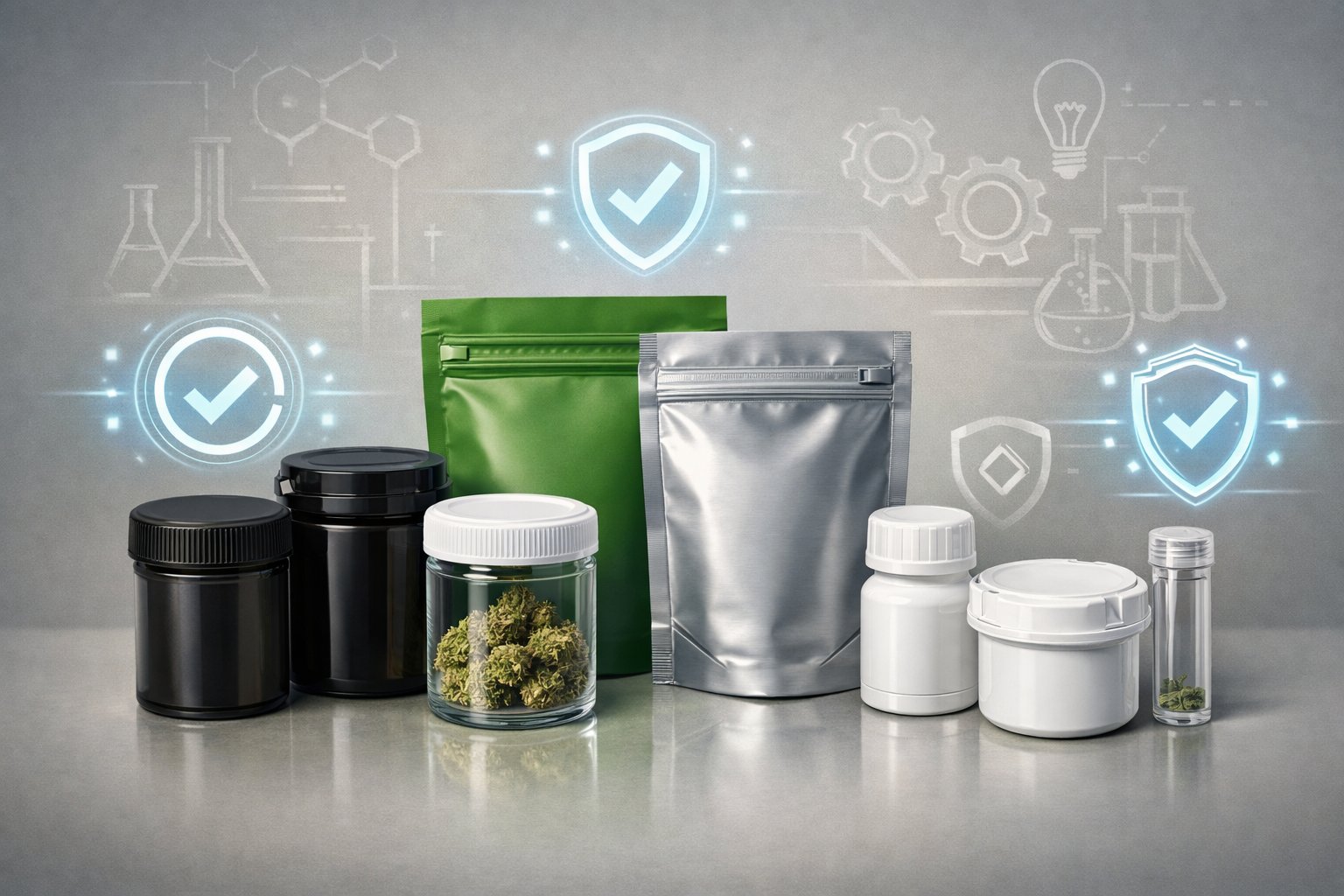
Cannabis brands have to juggle multiple packaging formats, child-resistant standards, accessibility, and sustainability. The 2026 landscape blends tried-and-true mechanisms with new tech aimed at compliance and consumer experience.
Compliant Cannabis Packaging Formats for 2026
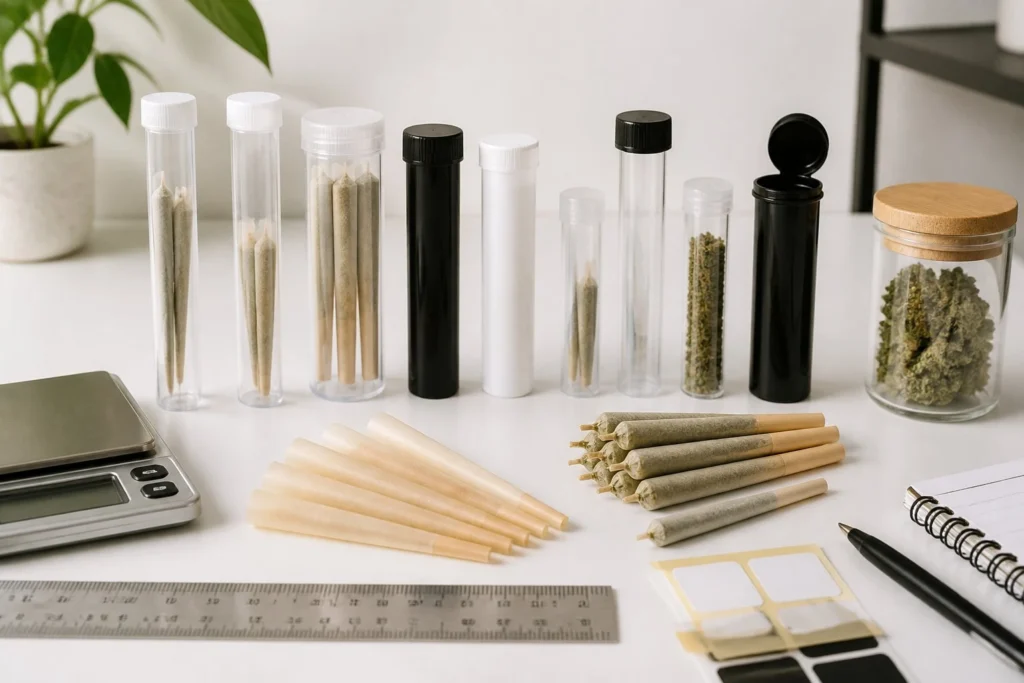
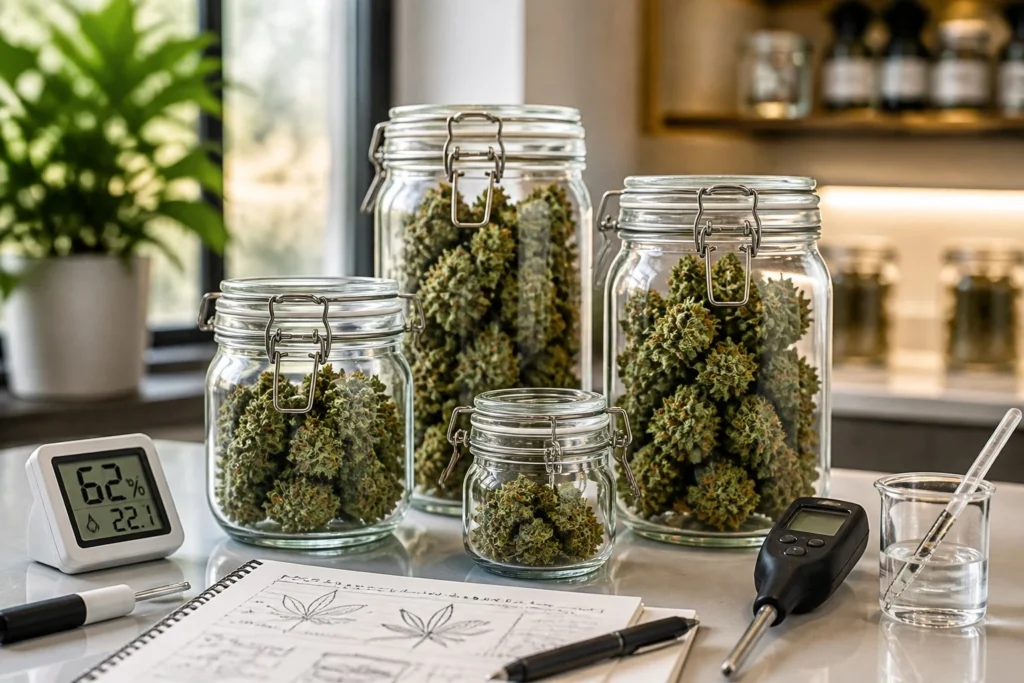
Different cannabis packaging formats need specific child-resistant mechanisms depending on the product. For flower, you might use push-and-turn caps, squeeze-and-pull containers, or mylar bags with press-to-close zippers and extra safety features.
Pop-top vials and bottles are still favorites for flower—they strike a balance between child resistance and ease of use. Exit bags do double duty as compliant transport and marketing tools when you slap your branding on them.
Edibles are tricky since they look like regular snacks. You’ll need blister packs, slide boxes with locks, or pouches that require several steps to open.
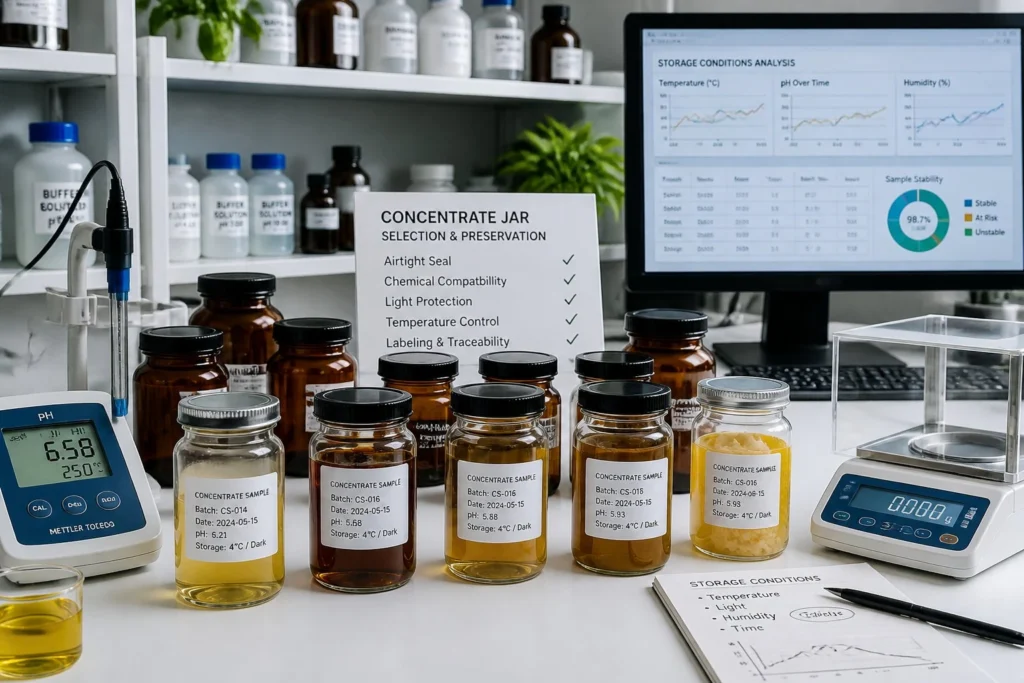
Concentrates and vapes often go in push-and-twist containers or slide-lock boxes that need a specific sequence to open. Your exit packaging has to meet ASTM D3475 or 16 CFR 1700.20 certification.
When you’re picking formats, think about how each mechanism works with your product and your brand’s vibe.
Child-Resistant Features: Durability, Accessibility, and Reusability
CR packaging isn’t just about keeping kids out. Durability matters—your mechanism needs to hold up through repeated use, especially for products people open again and again.
Accessibility is a must. Packaging should let 90% of adults aged 50–70 open it within five minutes. Seniors and folks with limited dexterity shouldn’t get frustrated or give up.
Reusability is getting more attention, too. People expect packaging to work for the life of the product. Test your mechanisms through lots of open-close cycles to make sure they hold up.
Here’s what to consider for durability:
- Material strength under normal handling
- Mechanism integrity after 10 or more openings
- Seal effectiveness to keep products fresh
- Hinge durability for flip-top designs
Work with packaging partners who get how these factors play together and can help you find solutions that really work in the real world.
Regulatory Labeling, Sustainability, and Tamper-Evident Innovations
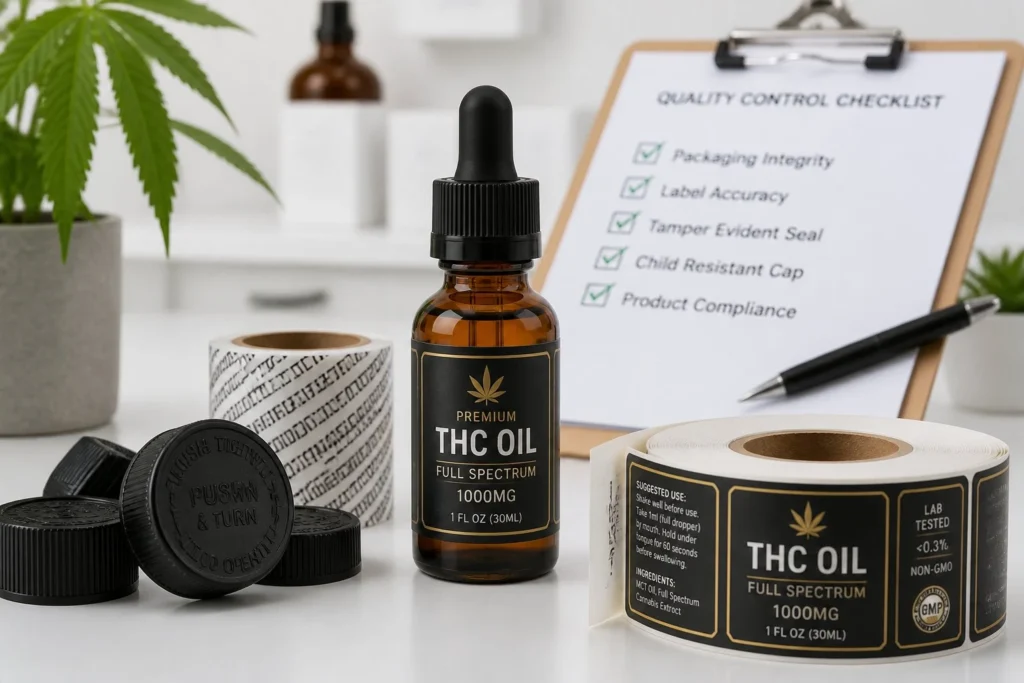
Labeling requirements change by state. Usually, you’ll need THC content, warning symbols, and usage instructions. Regulators care about where you put the info and how easy it is to read.
Sustainable cannabis packaging is a hot topic. Bioplastics, recycled materials, and reusable systems are gaining ground—they cut down on environmental impact, but still have to meet safety standards.
Tamper-evident features add another layer of security. Breakaway seals, shrink bands, and tear strips let buyers know if someone’s opened the product before them.
Packaging innovation in 2026? Smart packaging with NFC chips is on the rise. These chips verify authenticity and share product info, helping fight counterfeiting and boosting engagement.
Key sustainable materials making headway:
- Hemp-based plastics for containers
- Recycled ocean plastics for rigid packaging
- Compostable mylar alternatives for single-use bags
- Glass containers with refillable systems
Think ahead—anticipate regulatory changes, and try to use sustainable materials that eco-conscious consumers want, without sacrificing child-resistant performance.
Frequently Asked Questions
The 2026-compliant ASTM standards bring stricter testing and phase out a lot of older packaging options. Certification usually runs $650 to $1,200 per package type, and getting caught out of compliance can cost up to $250,000 per SKU.
What are the updated ASTM standards for child-resistant cannabis packaging in 2026?
The new ASTM D3475-2024 standard replaces the older 16 CFR 1700.20 poison prevention protocol in several states. This updated standard requires both a 200-child test panel and a 100-senior adult test panel to make sure packages are child-resistant but still accessible to older adults.
Your packaging now needs to hit 95% child-resistant effectiveness, up from the old 85% mark in places like Illinois. The test checks if kids under five can open the package within five minutes.
Minnesota, New York, Missouri, Ohio, New Jersey, Maryland, and Connecticut have adopted these tougher rules. Each state picked its own start date, but most of the changes kick in on January 1, 2026.
How do you obtain certification for child-resistant cannabis packaging under the new guidelines?
You’ll need to send your packaging to a CPSC-certified lab for testing. These labs run the full ASTM protocol with both child and senior panels to check for compliance.
The certification process usually costs between $650 and $1,200 per package type. You have to test each unique design, even if the only difference is size or the closure type.
Lab testing takes about 4 to 8 weeks. If your packaging fails any part of the protocol, you might need extra time for re-testing.
Once you pass, you get documentation showing your packaging meets CPSC standards. You’ll need to keep this certification on file, and if you change your packaging design, you may have to retest.
What are the key design elements required for child-resistant cannabis packaging?
Your packaging should require an action or sequence that kids can’t easily figure out. Push-and-turn caps, squeeze-and-turn closures, and hinged lids with locks are common approved options.
Ohio banned slide-lock tubes for compliance after March 1, 2026. From then on, you’ll need permanent child-resistant caps for all pre-roll tubes.
Exit bags now have to be fully certified as child-resistant in New York, Minnesota, and New Jersey. Simple resealable bags with printed warnings don’t cut it anymore.
Missouri and New York require opaque packaging for liquid products under 5 mL. Clear or translucent bottles that show the liquid inside aren’t allowed.
Which tests are mandatory for compliance with child-resistant packaging regulations?
The 200-child panel test is required under the new ASTM standards. This test checks if 200 children ages 42 to 51 months can open your packaging in five minutes.
You also need to pass the 100-senior adult test panel. At least 90% of adults ages 50 to 70 must be able to open and reclose your packaging properly.
Re-close testing makes sure your packaging stays child-resistant after repeated use. Test subjects need to show they can secure the package after opening it.
Opacity certification is required for liquid tincture bottles in some states. This test checks that you can’t see the contents through the packaging.
Are there specific labeling requirements for cannabis products that use child-resistant packaging?
You have to include universal warning symbols on all child-resistant packaging. These symbols signal cannabis is present and remind people to keep products away from kids.
The phrase “Keep Out of Reach of Children” is mandatory on every cannabis package. You can’t swap this out for other wording or abbreviations.
New Jersey banned printed statements like “This Bag Is Not Child-Resistant” on exit bags. Your exit bags need to be certified as child-resistant, not just labeled with warnings.
You’ll also need to display ASTM certification stickers on flower and concentrate mylar bags. These stickers show your packaging passed the required testing protocols.
What are the penalties for failing to comply with child-resistant cannabis packaging standards?
If your packaging fails a regulatory re-test, you’ll have to deal with immediate product recalls. That means pulling every non-compliant product off dispensary shelves, and yep, you’re covering those costs yourself.
Repackaging isn’t cheap. Depending on how much inventory you’ve got, costs can jump anywhere from $25,000 up to $250,000 per SKU.
You’re on the hook for buying compliant packaging and moving every product into approved containers. It’s a headache, honestly, and it adds up fast.
Regulators take child-resistant packaging seriously—they see it as a key safety issue. If you rack up repeated violations, they might even suspend your license.
And don’t forget the fines. State agencies can hit you with extra penalties on top of the repackaging costs, and those fines vary a lot depending on where you operate.
All in all, these penalties can really hit your bottom line and disrupt your business. Is it worth taking the risk?