How We Helped a U.S. Cosmetics Brand Develop Custom Packaging
From a 2 oz pearl-white cream jar to a complete cosmetics packaging line
PROJECT OUTCOME: The first order totaled 150,000 pieces across 3 SKUs with two-color printing and an overall production lead time of approximately 40 days[cite: 1]. Following successful delivery, we also developed a 30 ml essential oil bottle, a 50 ml lotion bottle, and a 15 ml cream jar for the customer
Full Cosmetics Packaging Line: Pearl-White Glass Jars & Bottles
In August 2024, we received an inquiry from a U.S. cosmetics brand. The customer wanted to customize a 2 oz glass cream jar, with both the jar and the plastic lid finished in pearl white.
The 2 oz cream jar was a standard container, so its structure and dimensions were relatively straightforward. The real challenge was achieving a consistent, stable pearl-white finish on two very different materials: glass and plastic.
1. Pearl White Is Not a Fixed Color
Unlike an ordinary sprayed color, a pearlescent finish is affected by many factors, including the paint base color, particle size of the pearl pigment, spray density, lighting, and viewing angle.
The same product may appear different under natural light, indoor lighting, or from different angles. We therefore needed not only to match the customer’s target color, but also to evaluate whether the pearlescent effect remained stable in different environments.
To identify the most suitable production solution, we arranged simultaneous sampling with two spray-coating factories in our supply chain. After one week of testing and comparison, one factory’s sample did not meet our quality standards, while the other was close to the required effect. Following further adjustments, we finalized the pearl-white finish for the glass jar.
2. How Did We Match the Colors of the Jar and Lid?
We began sampling the plastic lid only after the glass jar color had been approved.
Glass and plastic are very different materials. Even when the same paint color is used, the final appearance can vary significantly. For this reason, the coating formula for the glass jar could not simply be duplicated on the plastic lid.
To help control costs, we first selected an uncoated white plastic lid with a base color close to that of the jar, and then applied pearl pigment to its surface. This reduced paint consumption while also minimizing the color variation and additional cost associated with multiple coating layers.
During lid sampling, we focused on adjusting the following:
- The base color of the uncoated white plastic lid
- The particle size of the pearl pigment
- The spray density of the pearl pigment
- The color difference between the lid and glass jar under different lighting
- The adhesion and uniformity of the coating
The process—from customizing the plastic lid color to final approval of the pearlescent effect—took approximately 15 days.
3. From Sample Approval to a First Order of 150,000 Pieces
After receiving the final samples, the customer was satisfied with the overall appearance of the jar and lid and confirmed the first order:
- Order quantity: 150,000 pieces
- Number of products: 3 SKUs
- Decoration: Pearl-white coating and two-color printing
- Total production lead time: Approximately 40 days
For us, sample approval did not mean the project was complete. The real test was consistently reproducing the approved sample across a mass-production run of 150,000 pieces.
4. Creating a Clear Production Schedule for the Customer
For every custom order, we create a detailed production schedule based on the product structure, decoration processes, and component requirements.
The main production stages for this order were as follows:
| Production Stage | Estimated Time |
| Glass jar production | 20 days |
| Pearl-white spray coating | 10 days |
| Two-color printing | 10 days |
| Total production lead time | Approximately 40 days |
Production of the plastic lids ran largely in parallel with production of the glass jars, so it did not add to the overall lead time. The schedule gave the customer clear visibility into every stage and allowed them to plan filling, product launch, and inventory in advance.
5. How Did Our QC Team Control Each Production Stage?
Custom packaging involves multiple stages, including glass production, spray coating, printing, plastic lid production, sealing, and induction sealing. A problem at any stage can affect the final appearance or performance. During mass production, our QC personnel therefore conducted on-site inspections at every stage.
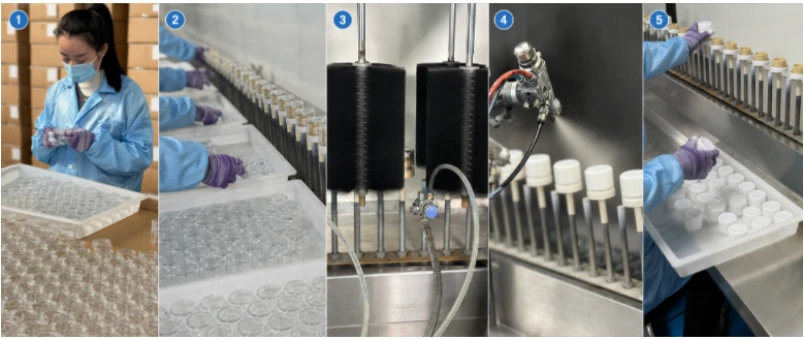
Glass Jar Inspection
Before spray coating, we first inspected the quality of the glass jars:
- The neck must not be tilted
- The jar body must be well formed, round, and full
- There must be no obvious pitting or large air bubbles
- The surface must be free of oil and grease
- The jar body must have no visible defects that could affect coating quality
Oil, pitting, or bubbles on the glass surface can directly affect paint adhesion and the appearance after coating, so defective jars must be removed before spraying.
Spray-Coating Inspection
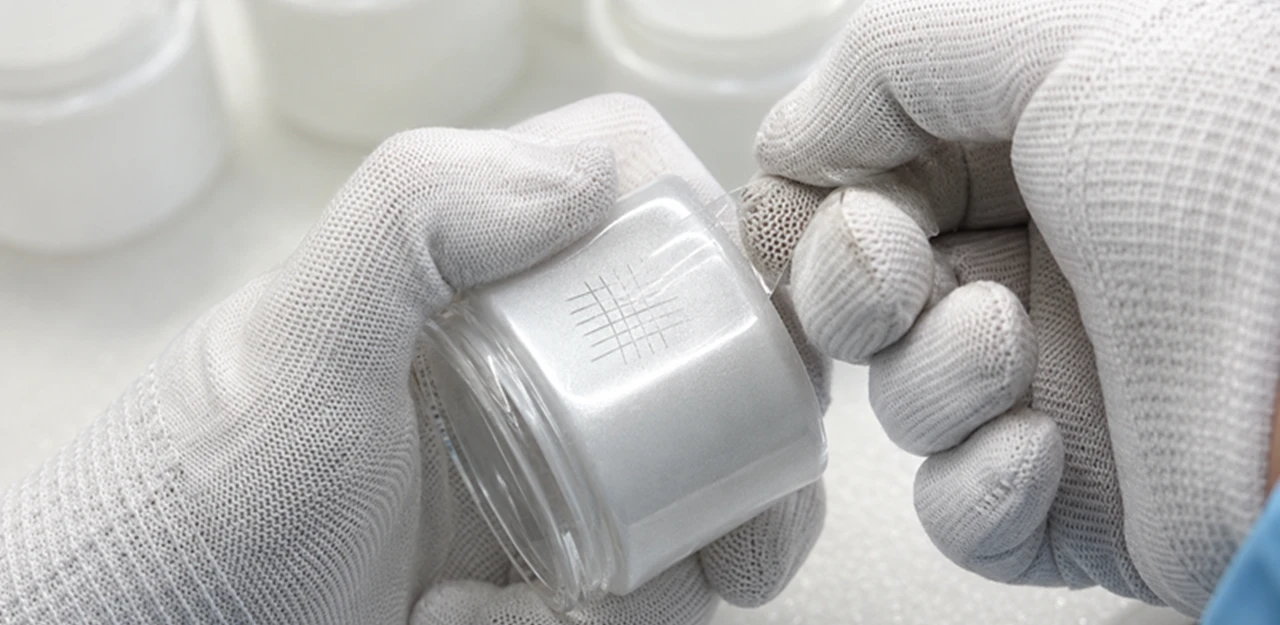
After the pearl-white coating was applied, we compared the production units with the customer-approved sample, focusing on the following:
- Color consistency
- Similarity of the pearlescent effect to the approved sample
- Coating uniformity
- Runs, missed areas, or visible color differences
- Coating adhesion
We also performed a cross-hatch adhesion test to evaluate how well the paint bonded to the glass surface.
Screen Printing Inspection
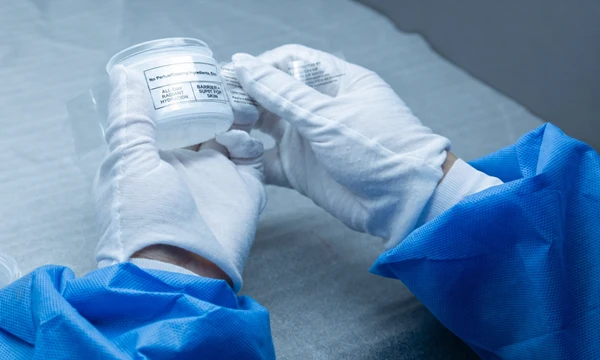
For two-color Screen printing, each color and the registration between them had to be controlled separately. Key inspection points included:
- Print colors
- Position of graphics and text
- Registration accuracy between the two colors
- Clarity of text and graphics
- Rub resistance and colorfastness of the printed surface
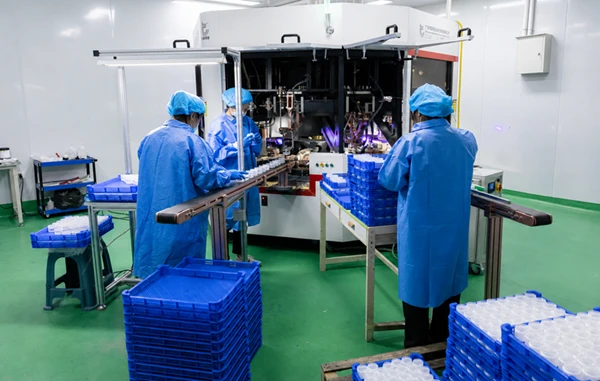
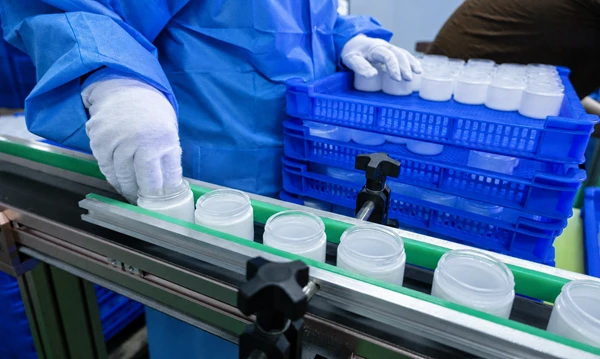
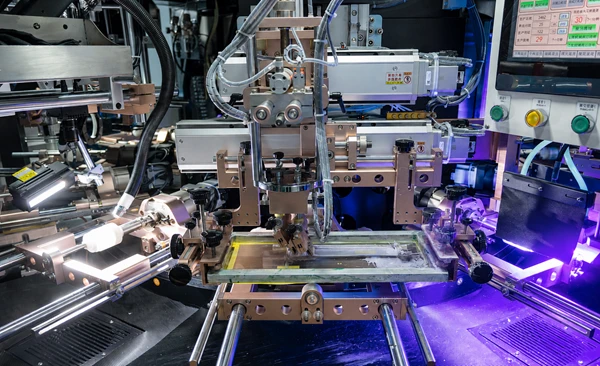
Plastic Lid Inspection
Both the inner and outer surfaces of the plastic lids had to remain clean and free from visible oil, contaminants, or other cosmetic defects. We also checked the color match between the lids and jars, as well as their fit and assembly.
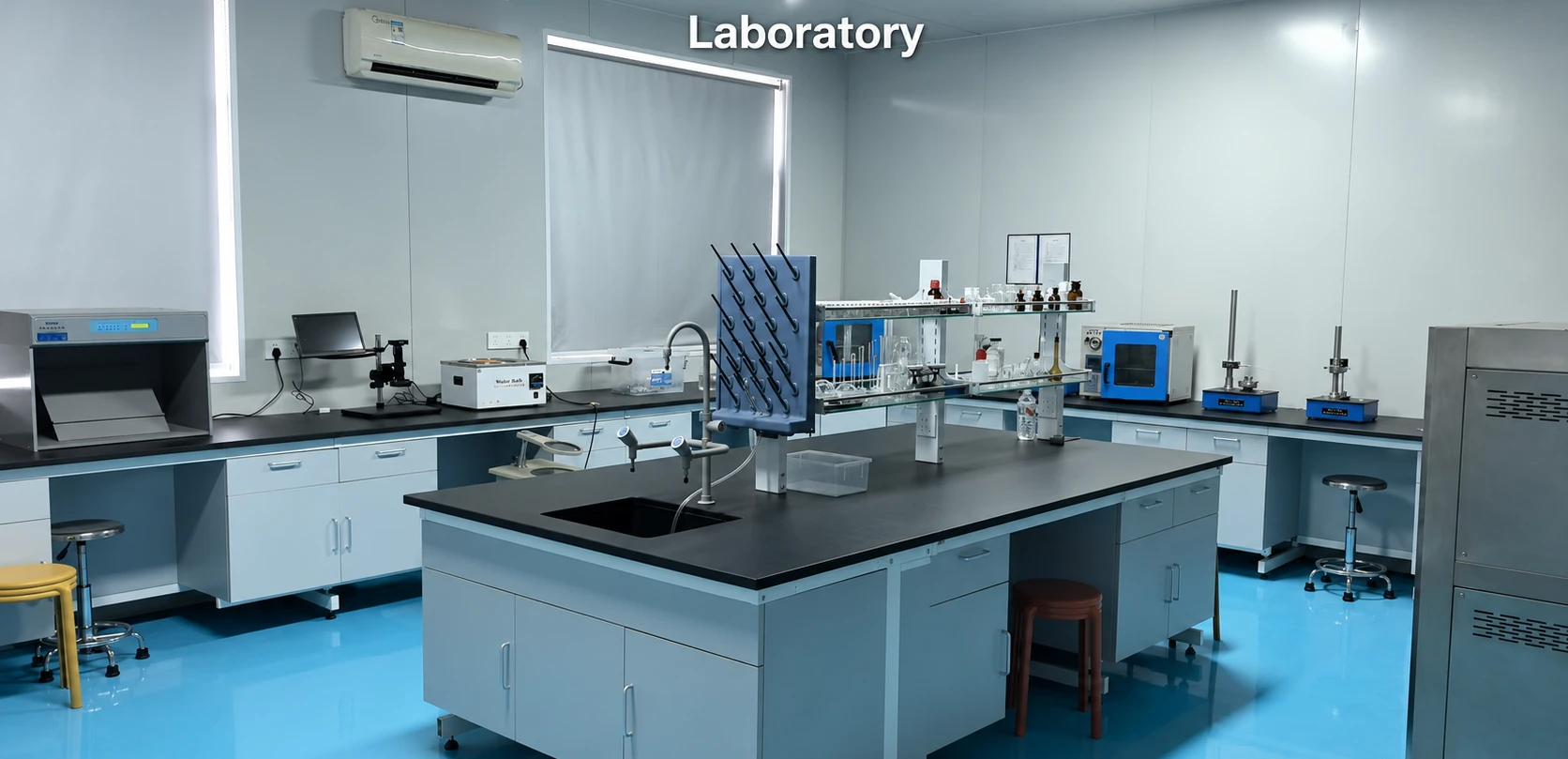
Functional Testing
After the appearance inspections, we carried out the relevant functional tests:
- Jar and lid fit test
- Leakage and sealing tests
- Induction-sealing test
These tests helped the customer confirm in advance that the packaging was compatible with their filling and sealing equipment, reducing the risk of problems during the filling process.
6. From One Product to a Series of Packaging Projects
From the initial pearl-white sampling and color matching of the jar and lid to mass production of 150,000 pieces, the project progressed smoothly and was completed in approximately 40 days.
Following the successful delivery of the first project, the customer developed greater confidence in our product quality, customization capabilities, and project management. We subsequently helped the customer develop several additional cosmetics packaging products:
- 30 ml essential oil bottle
- 50 ml lotion bottle
- 15 ml cream jar
For these later projects, we continued to provide bottle and jar selection, custom colors, decoration options, component matching, sample development, and mass-production quality control. What began with one 2 oz pearl-white cream jar gradually expanded into a complete series of cosmetics packaging projects.
For us, the success of a project is measured not only by the smooth delivery of the first order, but also by our ability to help the customer strengthen their product line and build a long-term partnership through consistent quality and ongoing product development.
What Is the Real Value of Custom Packaging?
For a cosmetics brand, custom packaging involves much more than choosing a container, a color, or a printing process. A reliable packaging supplier should also help the customer:
- Evaluate whether a design can be mass-produced
- Identify suitable materials and production processes
- Coordinate glass, plastic lid, and decoration suppliers
- Control color differences between different materials
- Create a clear production schedule
- Inspect every production stage
- Complete sealing and induction-sealing tests in advance
Our role is not simply to manufacture a glass container. It is to turn the customer’s packaging concept into a product that can be manufactured consistently at scale.
If you are looking for custom glass packaging for cosmetics, skincare products, or another brand, we can develop a suitable packaging solution based on your product positioning, desired appearance, order quantity, and delivery schedule.
Frequently Asked Questions
1. Can pearl-white cosmetic glass packaging be customized?
Yes. We can customize the base color and pearlescent effect of a glass container according to a physical sample, Pantone color, or design requirements supplied by the customer. Because pearlescent colors are affected by lighting and viewing angle, we recommend producing and approving a physical sample before mass production.
2. Can the colors of a glass jar and plastic lid match perfectly?
We can adjust the base colors, pearl pigments, and spray densities of the jar and lid separately to make them match as closely as possible. However, because glass and plastic have different material and reflective properties, a perfect match under every lighting condition cannot be guaranteed.
3. What factors affect a pearlescent coating?
The main factors include the product’s base color, the particle size and spray density of the pearl pigment, the thickness and uniformity of the paint layer, lighting, and viewing angle. The same product may appear slightly different under natural light and indoor lighting.
4. Can samples be produced before mass production?
Yes. We recommend sampling for custom colors, pearlescent coatings, and printing projects. Mass production begins only after the customer has approved the sample’s color, finish, and artwork.
5. How long does custom sampling take?
Sampling generally takes 7–15 days, depending on the color, decoration process, and number of adjustments required. If the glass jar and plastic lid need to be color-matched separately, the sampling period may be longer.
6. What is the production lead time for custom cosmetic glass packaging?
Production usually takes 35–45 days, depending on order quantity, decoration processes, and packing requirements. This project included glass jar production, pearl-white spray coating, and two-color printing, with a total production lead time of approximately 40 days.
7. What decoration processes are available?
We offer spray coating, frosting, screen printing, decal printing, electroplating, labeling, and other customization services. We can recommend the most suitable process based on the product material, desired appearance, and budget.
8. How is spray-coating and printing quality controlled?
Before coating, we inspect the appearance and surface cleanliness of the glass containers. After coating, we compare production units with the approved sample and perform a cross-hatch adhesion test. After printing, we inspect the colors, print position, graphic clarity, registration accuracy, and colorfastness.
9. Can you perform leak and sealing tests?
Yes. Based on the selected glass container, lid, and liner, we can perform assembly, leakage, and induction-sealing tests to verify sealing performance in advance.
10. Is a production schedule provided for every custom order?
Yes. We create a schedule covering glass production, surface decoration, lid production, quality inspection, and packing. This gives the customer visibility into order progress and helps them plan filling, shipping, and product launch activities in advance.
Looking for Custom Glass Packaging for Your Cosmetics Line?
If you are looking for custom glass packaging for cosmetics, skincare products, or another brand, we can develop a suitable packaging solution based on your product positioning, desired appearance, order quantity, and delivery schedule