
Glossy Black Screen Printing on Matte White PP Caps: A Challenge of Details
A strong supplier does more than complete orders on time. It should understand the customer’s business model, inventory cycle and market needs—and continuously help the customer identify new growth opportunities.
PARTNERSHIP AT A GLANCE: In March 2025, we received what appeared to be a routine order: screen printing on the top and side surfaces of 56-400 matte white CR caps.
In March 2025, we received what appeared to be a routine order: screen printing on the top and side surfaces of 56-400 matte white CR caps. For a team that deals with printing processes daily, this initially seemed like standard operating procedure. However, upon receiving the customer’s samples and consulting with our engineers, we quickly realized this was far from a simple printing job.
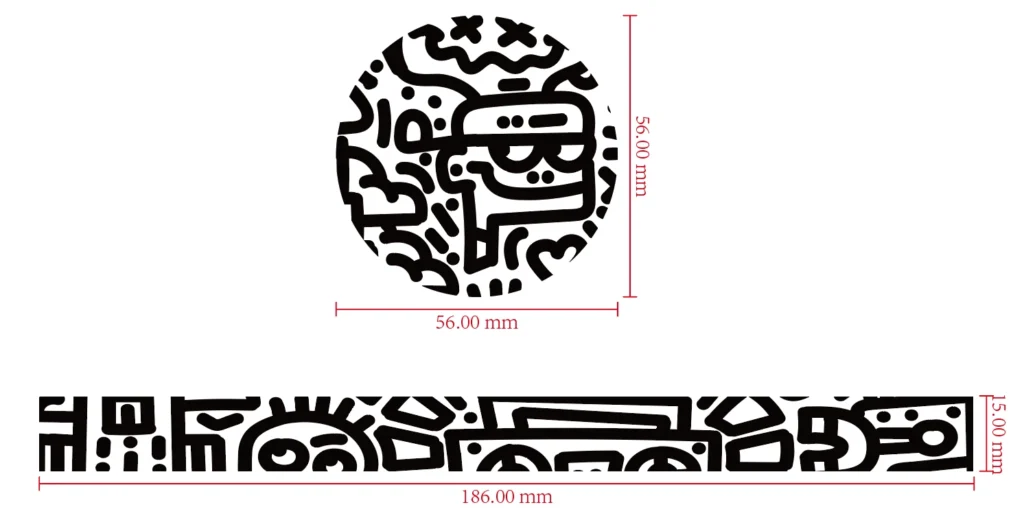
Two technical challenges emerged that would test our expertise to the fullest. First, the customer’s PP caps featured a matte finish, while the required screen printing color was glossy black — ordinary glossy ink, when applied to matte substrates, tends to lose its luster and dry to a matte appearance. Second, the side surface required full-circumference screen printing, where the gap between the starting and ending points of the printed pattern tended to shift with repeated use of the screen mesh.
Challenge One: Achieving Glossy Black on Matte PP
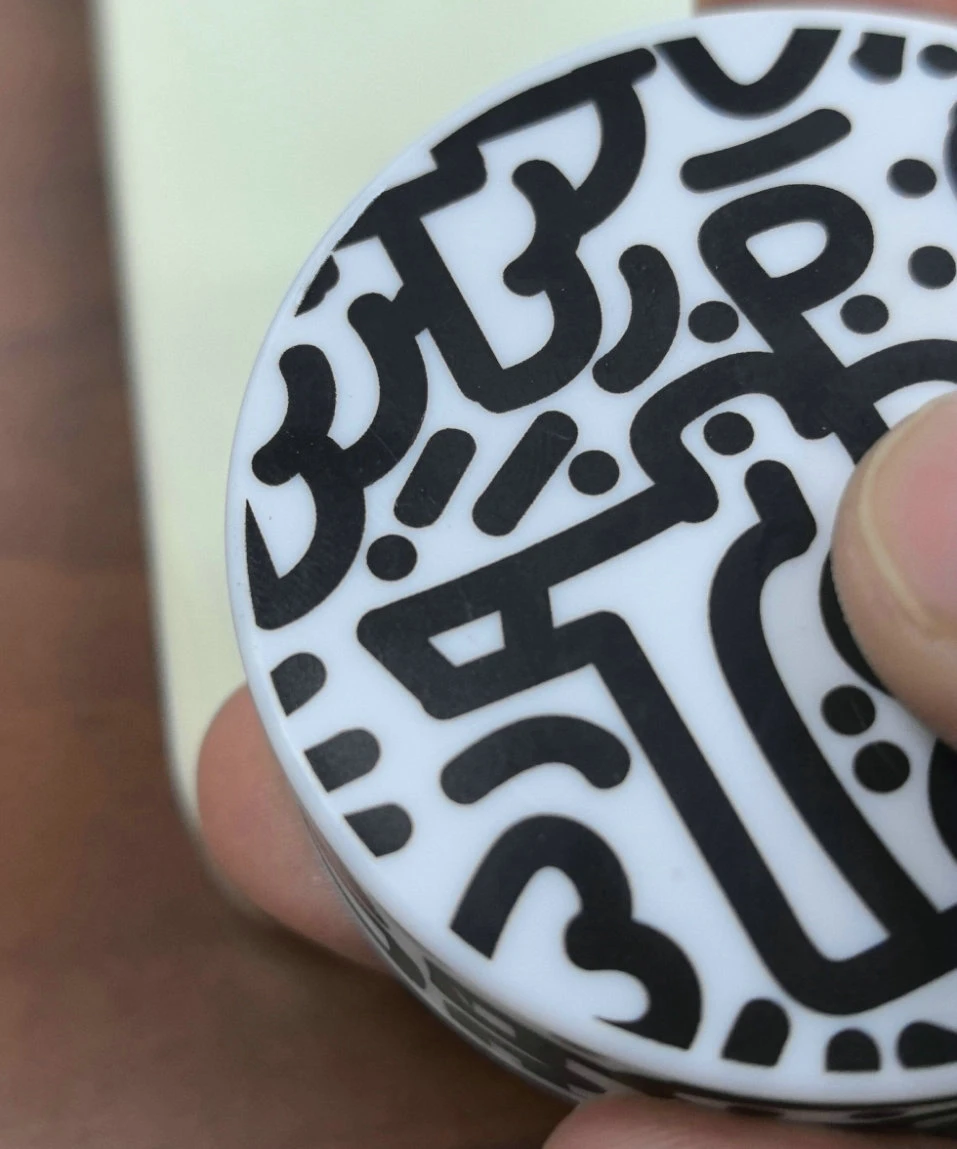
Why does “glossy black” turn “matte black” on matte PP?
The root cause lies in the surface topography of matte substrates. Unlike smooth surfaces, matte finishes are characterized by microscopic roughness. When ink is applied, the solvents penetrate these micro-cavities, preventing the ink film from leveling into a perfect mirror-like surface. As a result, light is scattered by the textured surface, and the perceived gloss is significantly diminished.
What approaches did we explore?
We evaluated two potential solutions. The first was to source a dedicated high-gloss screen printing ink formulated specifically for PP — addressing the problem at its source. The second approach involved first printing the pattern with matte black PP ink, allowing it to cure completely, and then over-printing a transparent PP-compatible gloss varnish or UV coating. However, the latter would effectively double the process steps from two to four, substantially increasing costs for the customer.
We ultimately opted for the first approach and began our search for the right ink. Three criteria guided our selection: the ink must be PP-specific, as PP is a low-surface-energy inert material (typically 29–33 dynes/cm in its untreated state) that offers poor adhesion to conventional inks; the ink must inherently possess high gloss, as verified by gloss meter readings; and we needed to ensure proper supporting materials, including dedicated solvents at the recommended 10%–20% mixing ratio based on printing conditions.
The real test arrived.
Selecting the right ink, however, did not guarantee production readiness. The greatest challenge with PP lies in batch-to-batch variability — different sources or production lots of PP can exhibit variations in surface energy and formulation, directly affecting ink adhesion and gloss retention. As many ink manufacturers explicitly state in their technical data sheets: “Plastic materials may appear similar but can be of different compositions; customers must conduct trial printing to confirm suitability before production.” Accordingly, we performed small-batch trials using the customer’s actual caps and conducted adhesion tests after a 24-hour room-temperature curing period, following standard industry practice.
To our disappointment, the test results fell short of our expectations. Even with the specialized PP ink, adhesion performance was inadequate.
Our final resolution:
Faced with this bottleneck, we did not settle for compromise or pass the burden to the customer. Instead, we proactively sought a solution. Ultimately, we introduced a surface pretreatment step — wiping the cap surface with PP primer (adhesion promoter) — to increase the surface polarity and enhance interfacial bonding between the substrate and the ink film.
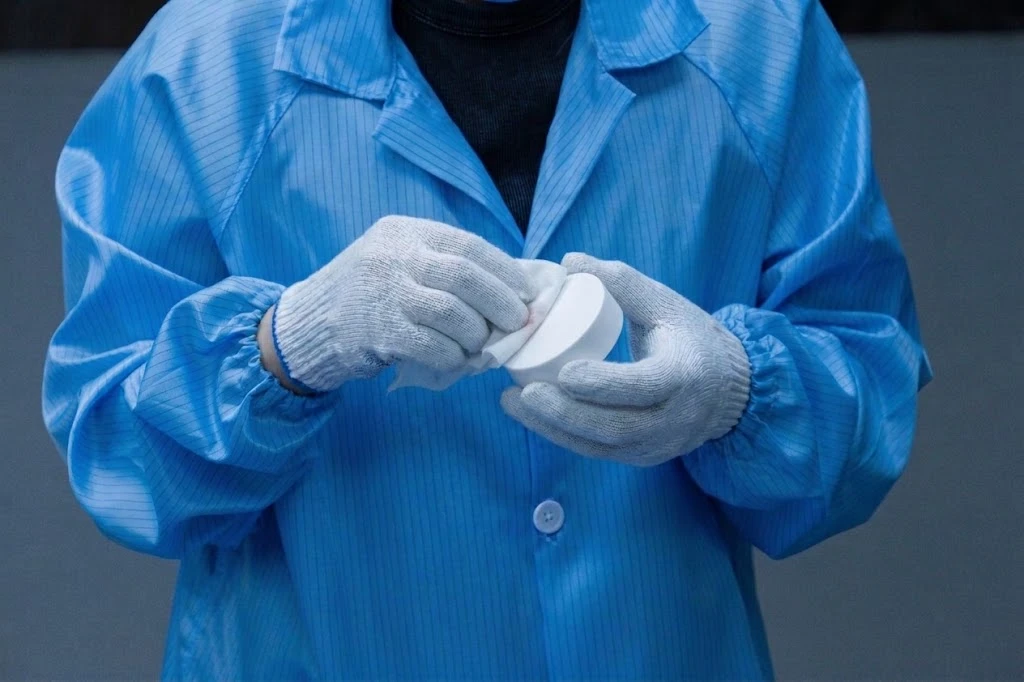
While this added labor costs to our production process, we absorbed the expense without passing it on to the customer. We firmly believe that delivering quality that meets customer expectations is the foundation of any lasting partnership.
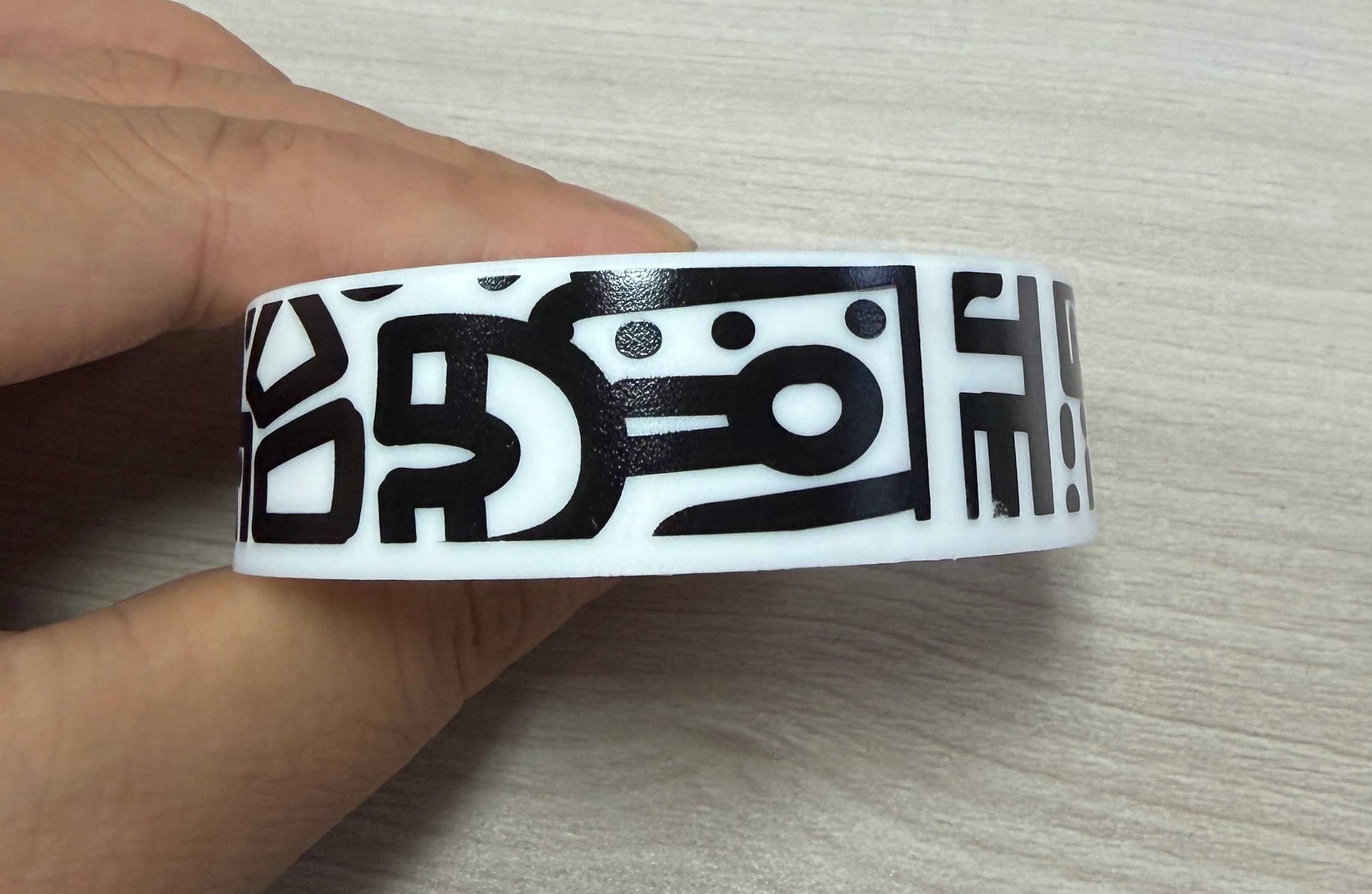
Challenge Two: Controlling the Seam in Full-Circumference Screen Printing
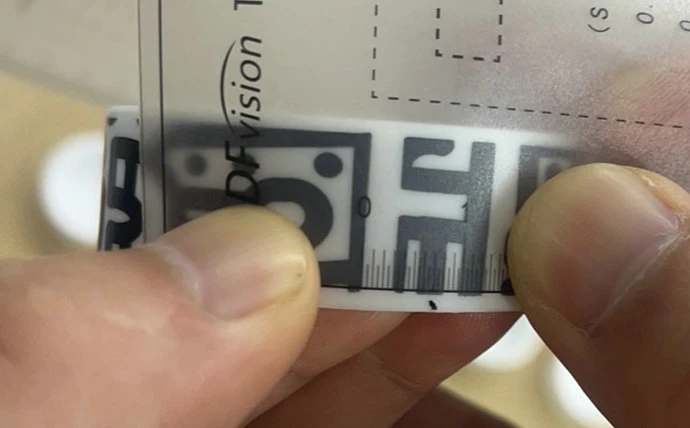
Having resolved the gloss issue, we turned to the second challenge: the inconsistency in the gap between the starting and ending points of the full-circumference print.
This problem is inherent to the mechanics of curved-surface screen printing. In cylindrical cap side printing, the squeegee travels from the starting point, completes a full circumference, and returns to near the starting position. However, due to cumulative tolerances — including variations in cap diameter, fixture precision, and screen tension — the actual printed circumference inevitably deviates slightly from the theoretical value. This discrepancy manifests as an observable shift at the pattern seam.
There is no shortcut to solving this. It demands meticulous process control. In production, we conducted continuous, high-frequency sampling to monitor the seam gap. Whenever deviations exceeded acceptable tolerances, we promptly adjusted the printing press parameters and, when necessary, re-stretched and re-exposed the screen mesh to restore seam stability.
Closing Thoughts
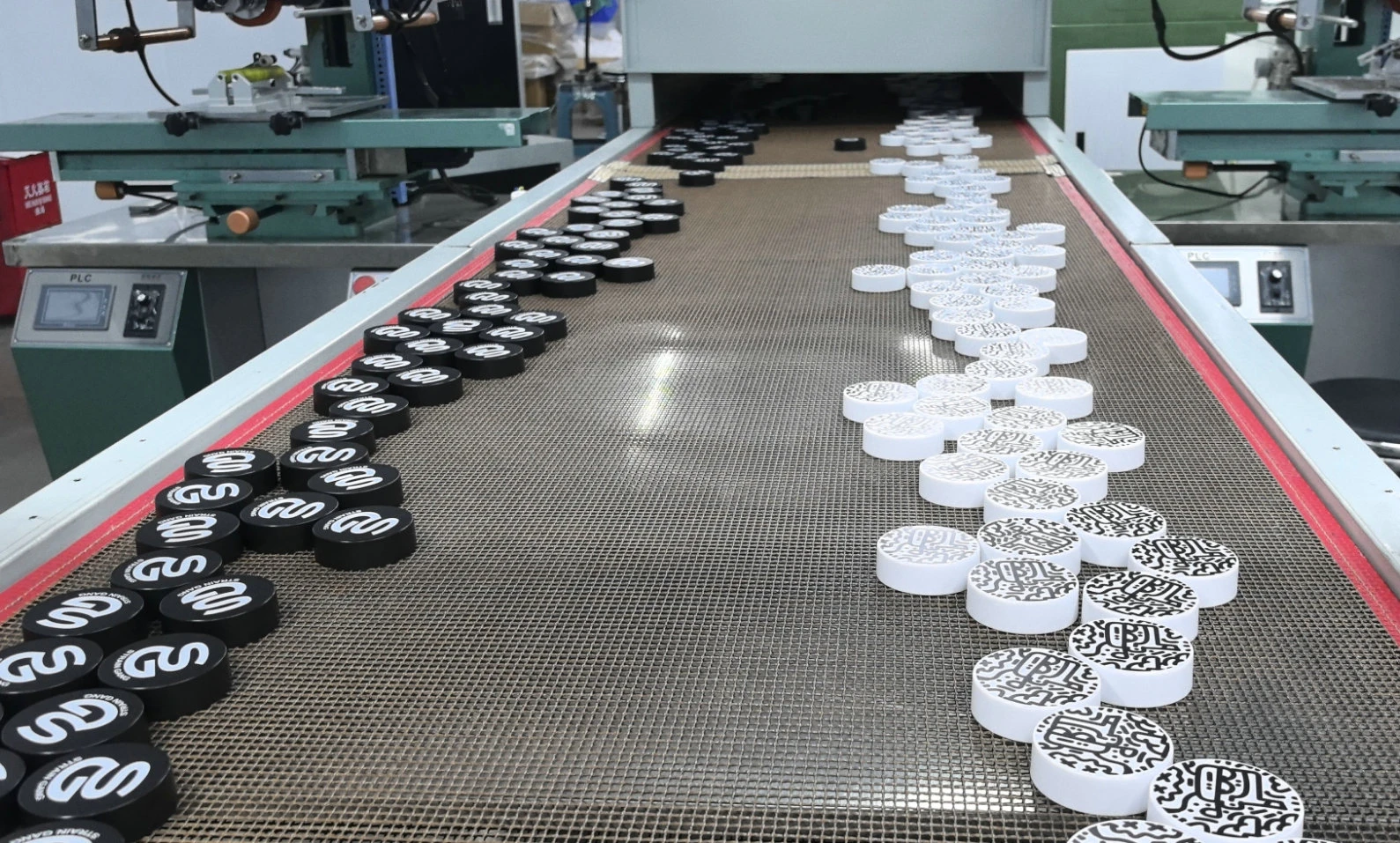
What may appear to be a straightforward screen printing job is, in reality, a sophisticated interplay of materials science, interfacial chemistry, and precision mechanical engineering. From in-depth problem analysis and rigorous ink selection, to the introduction of PP primer treatment to resolve adhesion challenges, and the relentless pursuit of dimensional accuracy in curved-surface printing — every step reflects our commitment to detail and quality.
The next time you see a glossy black logo printed on a matte white PP cap, take a moment to look closer. It is not merely a printed mark; it is the tangible result of a printer’s expertise and persistence in overcoming technical challenges — one microscopic detail at a time.
Do You Operate a Packaging Wholesale Business?
If you are looking to expand your food, cosmetics, candle or home-fragrance packaging range, we can recommend products based on your target market, existing customer base and purchasing plan.
Tell us about your current product categories, target market and estimated order volume. Our team will prepare a targeted packaging proposal for your business.